TL;DR:
- Mold testing is a specialized process involving air sampling, surface swabs, and lab analysis to detect hidden contamination often missed during standard inspections. It is crucial during home purchases when odors, water damage history, or health concerns indicate potential unseen mold growth, providing documentation to negotiate repairs or credits. Unlike DIY kits, professional testing offers accurate species identification and moisture source mapping, enabling informed decisions and effective remediation planning.
Mold testing is defined as a specialized inspection process that uses air sampling, surface swabs, moisture meters, and accredited lab analysis to detect and identify mold contamination that standard home inspections routinely miss. The role of mold testing in home buying goes beyond confirming visible growth. It maps hidden moisture intrusion, identifies toxic species like Stachybotrys chartarum, and produces lab-verified documentation that buyers can use to negotiate repairs, demand remediation credits, or walk away from a contaminated property with confidence. The EPA and state health departments recognize mold testing as a distinct discipline from general property inspection, and the distinction matters enormously when you are committing to a six-figure purchase.
What the role of mold testing in home buying actually covers
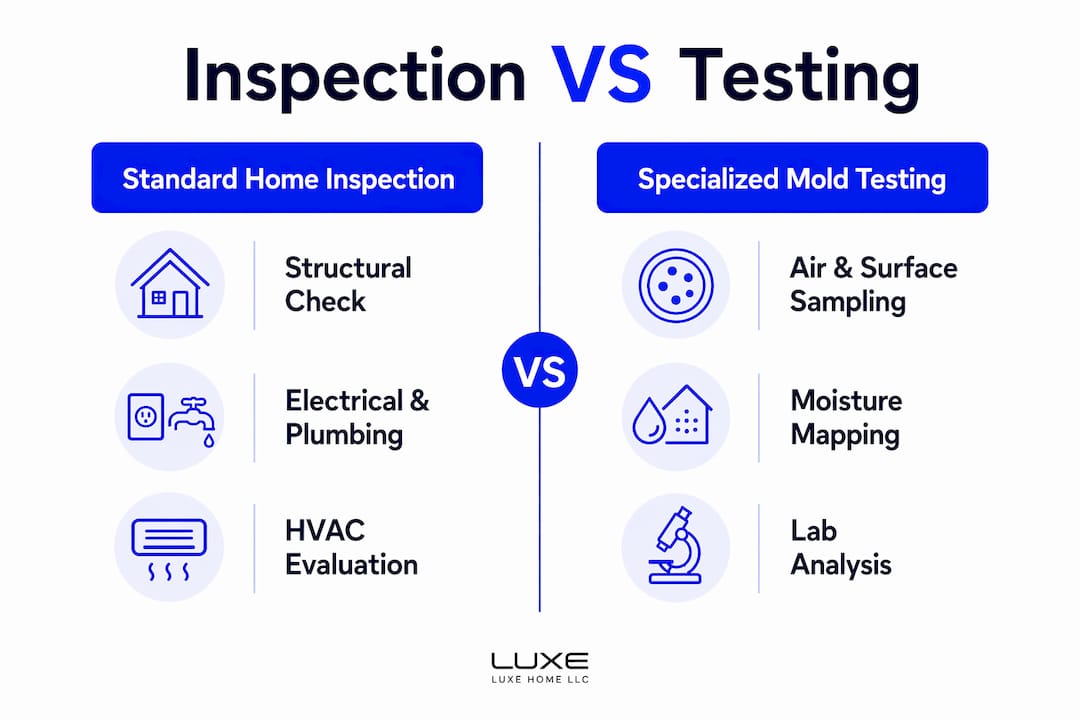
A standard home inspection evaluates structural components, electrical systems, plumbing, roofing, and HVAC. It does not include mold inspection vs. mold testing as a default service. A general inspector may note visible discoloration or water stains, but they are not equipped to determine whether that stain harbors active mold colonies, which species are present, or whether spores have spread through the HVAC system into every room.
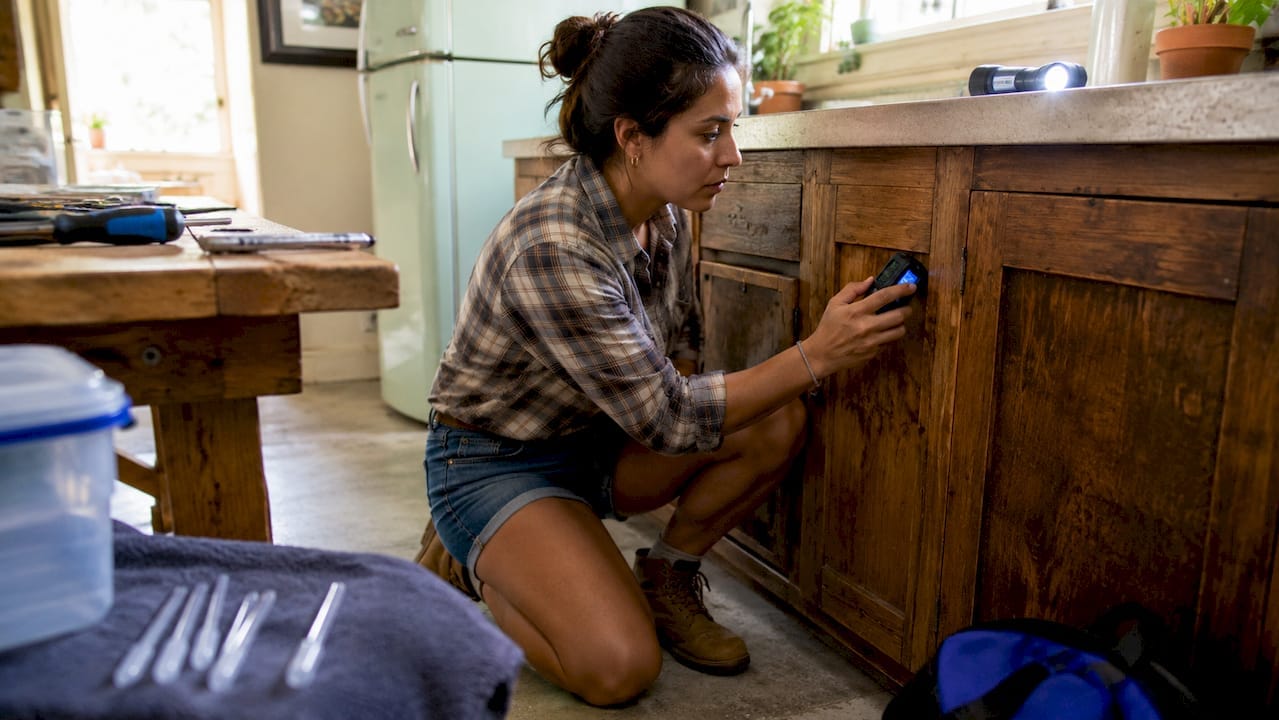
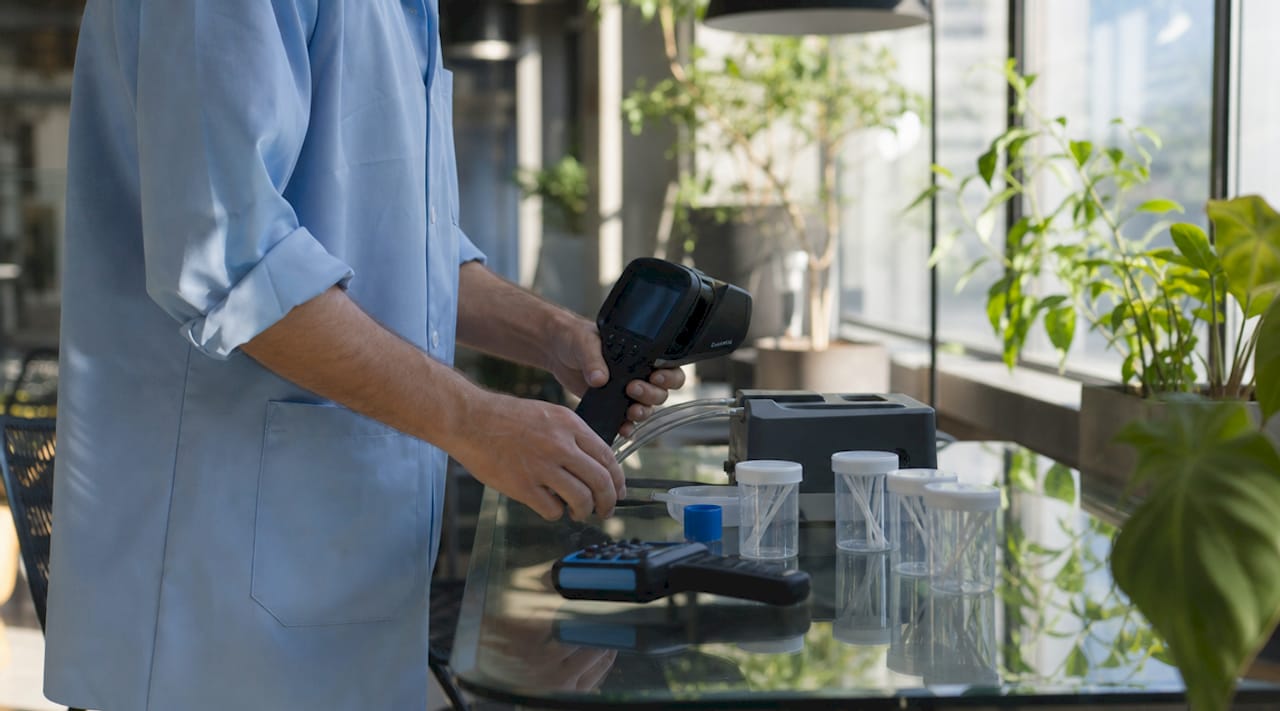
Specialized mold testing deploys a different toolkit entirely. Moisture mapping with thermal imaging and calibrated moisture meters locates the actual water intrusion points driving mold growth, not just the surface symptoms. Air sampling captures spore concentrations in different zones of the home. Surface sampling via tape lifts or swabs identifies species on contact areas. All samples go to an accredited laboratory for analysis, producing a report that names species, quantifies spore counts, and flags anomalies against outdoor baseline readings.
The comparison below clarifies what each service delivers:
| Feature | Standard home inspection | Specialized mold testing |
|---|---|---|
| Scope | Structural and mechanical systems | Mold, moisture, and air quality |
| Tools used | Visual inspection, basic moisture probe | Thermal imaging, moisture meters, air and surface sampling |
| Lab analysis | None | Accredited laboratory report |
| Species identification | No | Yes |
| Moisture source mapping | Limited | Detailed |
| Negotiation documentation | General defect list | Lab-verified mold report |
Pro Tip: Schedule mold testing as a separate service from your general home inspection. Ask your inspector whether they hold certifications from the American Industrial Hygiene Association (AIHA) or the Indoor Air Quality Association (IAQA) before booking.
When is mold testing especially important for buyers?
Not every property requires specialized mold testing, but several conditions make it a non-negotiable step. Mold testing is critical during real estate transactions when any of the following red flags are present:
- Musty or earthy odors with no visible mold. Musty odors are often the single most reliable indicator of hidden mold growth behind walls, under flooring, or inside HVAC ducts. If you smell it and cannot see it, lab testing is the only way to confirm or rule out contamination.
- History of water damage or flooding. Sellers are legally required to disclose known water intrusion in most states, but disclosure does not mean remediation was done correctly. A prior flood or roof leak is a direct trigger for mold testing.
- Older homes in humid climates. Properties built before 1980 often have inadequate vapor barriers and ventilation. Homes in the Mid-South, Gulf Coast, and Southeast face elevated ambient humidity that accelerates mold colonization in crawl spaces and attics.
- Buyer health vulnerabilities. If anyone in your household has asthma, allergies, or immune system conditions, the importance of mold testing rises sharply. Certain species produce mycotoxins that cause respiratory illness even at low exposure levels.
- Properties that have been vacant. Unoccupied homes lose climate control, and stagnant air combined with any residual moisture creates ideal mold conditions within days.
Pro Tip: Request the seller’s disclosure documents before scheduling your inspection. Any mention of past roof leaks, plumbing failures, or basement flooding should trigger a mold testing order immediately.
One point buyers frequently overlook: mold colonizes organic materials within 24 to 48 hours of moisture exposure. A water event that happened two years ago and was never properly dried out may have produced an established colony that is now embedded in wall cavities and subfloor materials.
How do mold test results influence negotiations and decisions?
Lab reports from a mold inspection give you objective leverage that a general inspection report cannot provide. Here is how to use them effectively within your due diligence window:
- Interpret the species and spore counts first. Not all mold findings are equal. Cladosporium and Penicillium are common and manageable. Stachybotrys chartarum (black mold) and Aspergillus species carry greater health risk and typically require professional remediation rather than surface cleaning. Your inspector or an industrial hygienist should walk you through the report before you make any decisions.
- Compare indoor counts to outdoor baseline samples. No federal threshold defines safe indoor mold levels, so interpretation depends on comparing indoor air samples to outdoor readings taken at the same time. Elevated indoor counts relative to outdoor baseline indicate an active indoor source, which is the key finding that triggers remediation demands.
- Use the report to request seller remediation or a price credit. A lab-verified mold report is far more persuasive in negotiation than a general inspector’s note about “possible moisture damage.” You can request that the seller hire a licensed remediator before closing, or negotiate a credit that covers your remediation costs post-purchase.
- Assess whether the contamination is structural. Mold that has penetrated framing, subfloor joists, or HVAC ductwork represents a significantly higher remediation cost than surface growth on drywall. Pre-purchase mold inspections typically cost \$300 to \$650 and can save buyers tens of thousands in remediation costs. That math is straightforward.
- Document the baseline for future claims. Mold inspection reports establish a documented baseline of the property’s condition at time of purchase, which is critical if you later need to file an insurance claim or pursue legal action against a seller who failed to disclose known issues.
Understanding how moisture problems lead to mold growth is equally important when reviewing your report. A mold finding without a moisture source identified is an incomplete finding. Any credible report should map both.
DIY kits vs. professional testing: what buyers should know
The hardware store petri dish kits and mail-in swab tests marketed to homebuyers are not adequate tools for a purchase decision. DIY mold test kits are mostly unreliable for this purpose. They confirm that mold spores exist in the home, which is true of virtually every building on earth, but they cannot quantify concentrations, identify species accurately, or locate moisture sources. A positive result from a DIY kit tells you almost nothing actionable. A negative result is even more dangerous because it can create false confidence about a property that has active hidden growth.
Professional mold testing operates at a different level entirely. Here is what a qualified assessment includes:
- Accredited laboratory analysis with species identification and spore count quantification
- Air sampling in multiple zones, including HVAC supply and return registers
- Surface sampling in areas of visible concern
- Thermal imaging to detect temperature differentials that indicate moisture behind walls
- A written report with findings, moisture source mapping, and remediation recommendations
The cost range for professional testing varies by scope and location. Basic single-room assessments start around $150. Full pre-purchase inspections covering multiple rooms, crawl spaces, attics, and HVAC systems typically run $300 to $650. Properties with complex layouts or extensive suspected contamination can reach $900 or more. For context, professional mold remediation for a moderate infestation commonly runs $3,000 to $10,000 or higher depending on affected materials. The inspection cost is a fraction of that exposure.
When selecting a professional, look for inspectors certified by the AIHA, IAQA, or the National Organization of Remediators and Mold Inspectors (NORMI). Avoid companies that offer both testing and remediation on the same property. That conflict of interest undermines the objectivity of the report. For more on why DIY kits cause confusion, the distinction between a reliable professional assessment and a consumer kit becomes even clearer.
Key takeaways
Mold testing is a distinct, lab-backed discipline that standard home inspections cannot replace, and buyers who skip it risk inheriting hidden contamination, health hazards, and remediation costs that dwarf the inspection fee.
| Point | Details |
|---|---|
| Testing differs from inspection | Standard inspections miss hidden mold; specialized testing uses thermal imaging, air sampling, and lab analysis. |
| Timing and triggers matter | Order mold testing when musty odors, a water damage history, or buyer health conditions are present. |
| Lab reports drive negotiation | Documented species and spore counts give buyers concrete leverage to demand remediation or price credits. |
| DIY kits are not sufficient | Consumer test kits cannot quantify sources or identify species accurately enough for a purchase decision. |
| Moisture mapping is the core value | Identifying and fixing moisture intrusion points prevents mold recurrence after purchase. |
What I’ve learned from watching buyers skip this step
I have seen buyers walk into properties that passed a general inspection with flying colors, only to discover active mold colonies behind finished basement walls three months after closing. The pattern repeats itself: a prior water event, a cosmetic repair that covered the damage without addressing the moisture source, and a standard inspection that noted nothing alarming. The cost of remediation in those cases averaged well above what a pre-purchase mold inspection would have cost.
The misconception I encounter most often is that mold is only a problem in visibly neglected properties. That is wrong. Some of the most significant mold findings we see come from well-maintained homes where a slow plumbing leak or inadequate attic ventilation has been feeding a hidden colony for years. The home looks clean. The inspection report looks clean. But the air quality tells a different story.
My advice to every buyer is to treat mold testing as a standard line item in your due diligence budget, not an optional add-on. Schedule it during your inspection contingency window so findings can be used in negotiation before you are contractually committed. And when you review the report, focus on the moisture source mapping first. A mold finding without a clear moisture source identified means the root cause is still active, and remediation without fixing that source is a temporary fix at best.
— Holly
Get a thorough mold assessment before you close
Upchurch Inspection provides specialized mold testing integrated with full property evaluations across the Mid-South, covering moisture mapping, thermal imaging, air and surface sampling, and accredited lab analysis. Our inspectors hold certifications that exceed state standards, and our reports are written to support negotiation, not just document findings. If you are in the due diligence window on a property, this is the time to act. Explore specialized inspection options for your purchase, or review how inspections protect buyers and sellers throughout the transaction. Schedule your assessment before your contingency window closes.
FAQ
What does mold testing include that a home inspection does not?
Mold testing includes air and surface sampling, thermal imaging, moisture meter readings, and accredited lab analysis that identifies mold species and spore concentrations. A standard home inspection does not include laboratory analysis or moisture source mapping.
Is buying a house with mold always a dealbreaker?
Buying a house with mold is not automatically a dealbreaker, but the species, extent, and moisture source all determine the risk. Lab-verified findings give buyers the documentation needed to negotiate remediation credits or require seller repairs before closing.
How do you interpret mold test results without overreacting?
Since no federal standard defines safe indoor mold levels, results are interpreted by comparing indoor spore counts to outdoor baseline samples. Elevated indoor counts relative to outdoor readings indicate an active indoor source that requires professional attention. Reviewing mold test results with a certified inspector prevents both panic and underreaction.
When is mold testing not necessary?
The EPA advises that if mold is clearly visible and covers less than 10 square feet, formal lab testing is generally unnecessary. The priority in that scenario shifts to identifying the moisture source and completing safe remediation rather than confirming what is already visible.
How much does a professional mold inspection cost for homebuyers?
Pre-purchase mold inspections typically cost $300 to $650 depending on property size, number of samples, and regional pricing. That investment is modest compared to professional remediation costs, which commonly run several thousand dollars for moderate infestations.

One Response
I didn’t realize how much a standard home inspection can miss when it comes to mold. The section about hidden colonies behind walls or in HVAC systems really hit me, especially since DIY kits can give a false sense of security. Spending a few hundred on professional testing seems like a smart investment compared to dealing with surprise remediation costs later. The emphasis on moisture mapping makes total sense; without knowing the source, any cleanup would be temporary.