Issues and Concerns

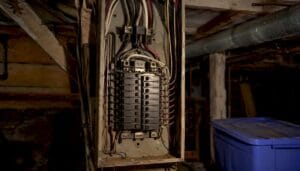
Federal Pacific Panels: What Homeowners Must Know
Discover essential safety information about Federal Pacific panels, including key steps for inspections and what homeowners should know.
Discover essential safety information about Federal Pacific panels, including key steps for inspections and what homeowners should know.
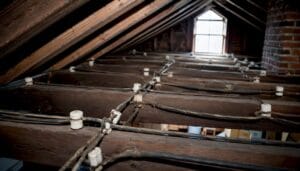
Learn essential insights about knob and tube wiring. Understand risks, necessary inspections, and when to consult professionals to ensure safety.
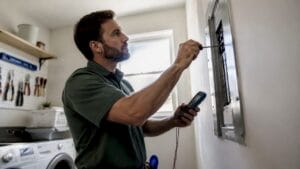
Ensure your home’s safety with an expert electrical safety inspection for homeowners. Protect against fire hazards and code violations today!
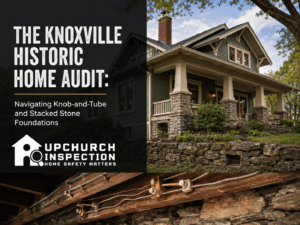

I’ll be honest—historic homes are my favorite reports to review, and they’re also the ones that make me slow down the most. Every time our Knoxville inspector sends one over from an older neighborhood, I know I’m not about to skim it. I’m about to read it. Because old houses
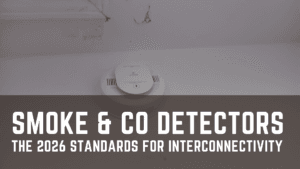
This is one of those things everyone assumes is handled. Smoke alarms are there. CO detector’s on the wall. Maybe one chirps every now and then when the battery’s dying. Looks fine. Feels fine. And then you actually test how the system works — or doesn’t. The Big Shift Most

Electrical systems in commercial buildings rarely fail loudly. They don’t announce exhaustion with smoke or sparks. Instead, they constrain growth quietly—until a tenant upgrade, equipment replacement, or operational change exposes how little margin was ever there. At Upchurch Inspection, electrical capacity concerns across the Mid-South are one of the most
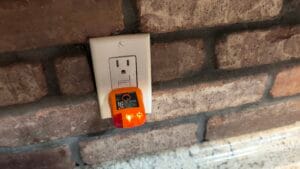
Exterior Power Is a Different Animal Exterior outlets live a harder life than anything inside the house. Heat, cold, rain, bugs, lawn equipment—you name it. That’s why they’re required to be GFCI-protected. And that’s also why they’re one of the most common nuisance-trip complaints I hear from homeowners. When someone
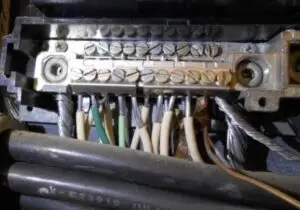

Aluminum wiring was commonly used in homes built between the mid-1960s and early 1970s due to a shortage and rising cost of copper at the time. While it was an effective and affordable alternative to copper wiring, aluminum wiring has raised safety concerns over the years. If your home has
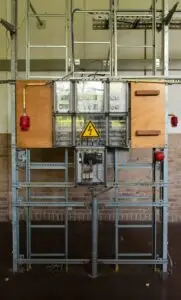
Your home’s electrical system is a vital component of daily life, powering everything from lights to appliances. However, beneath the surface of wires and circuits lies a crucial safety feature that often goes unnoticed: grounding. Proper grounding is essential for protecting your family and home from electrical hazards. In this
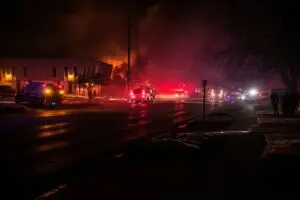
Home electrical fires are among the most common types of home fires, and they often start from concealed dangers within the walls. The principal causes are unsafe wiring, overloaded circuits, and insufficient or outdated electrical panels. These are all hazards that a homeowner can inspect for—even if you’re not a
Older homes captivate us with their charm, craftsmanship, and history. Yet beneath the timeless architecture, outdated wiring systems may lurk, posing significant safety risks. Wiring methods like knob-and-tube (K&T) and aluminum wiring, commonly found in homes built before the mid-20th century, are not only inefficient but also hazardous. This article
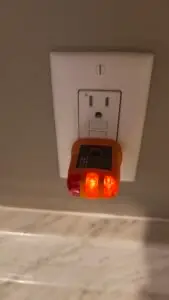
Electrical safety is a critical aspect of home maintenance, and two key devices that help safeguard against hazards are Ground Fault Circuit Interrupters (GFCIs) and Arc Fault Circuit Interrupters (AFCIs). These specialized outlets provide enhanced protection, reducing the risk of electrical shocks and fires. Here’s an in-depth look at what