

S-Trap vs P-Trap: What Homeowners Need to Know
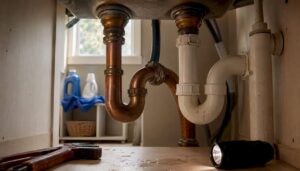
Understanding S-traps and P-traps is essential for homeowners. Learn why P-traps are code-compliant and protect your home from sewer gas.
Here we answer questions about getting a home or commercial inspection, give tips on home maintenance, and share our knowledge about common home and commercial property issues. We are here to help you. If you can’t find an answer to your questions here, you can always contact us via our contact page.

Understanding S-traps and P-traps is essential for homeowners. Learn why P-traps are code-compliant and protect your home from sewer gas.

Struggling with low water pressure at home? Discover quick tests to identify the issue and restore your water flow effortlessly.

Discover why sewer scope inspection matters for homebuyers. Uncover hidden defects and save on costly repairs during your due diligence.

Learn what inspectors check for with a water heater expansion tank. Ensure your home’s plumbing is safe and compliant. Read more!

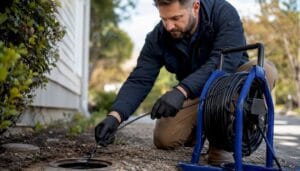
There are certain inspection photos I can recognize instantly, even before I read the address. Dark, round sewer camera frame. Hairy-looking obstructions creeping in from the edges. Water backing up just enough to blur the image. When our Knoxville inspector sends me those photos, nine times out of ten the

Commercial buyers in Memphis tend to focus on what they can see—roof condition, HVAC age, parking, and curb appeal. The problem is that some of the most expensive failures in older commercial properties are buried underground. In Memphis, forgotten sewer lines have a way of turning “good deals” into financial

The Problem Starts Underground — Long Before the Backup Tree roots don’t break pipes out of aggression. They break them because pipes leak. Older sewer lines—especially clay tile and early cast iron—were never watertight to begin with. Joints shift, gaskets dry out, and hairline cracks form. That moisture plume in

Sewer lines are one of the few systems in a house that can fail catastrophically without giving you much warning. No drips.No stains.No slow clues inside the house. Everything can look fine… right up until sewage comes back the wrong direction. That’s why sewer scoping is one of the first

This is one of those components nobody thinks about until it’s missing — and then it’s a problem you can’t unsee. Anti-siphon valves aren’t flashy. They don’t make noise. They don’t leak when they fail. Most of the time, they just quietly do their job. When they’re not there, though,

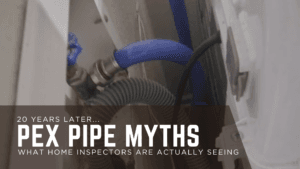
PEX has been around long enough now that the hype phase is over. We’re past the brochures. Past the “future of plumbing” marketing. Past the early adopter excitement. At this point, we get to deal with reality — what actually holds up, what doesn’t, and where the shortcuts showed themselves.

Most water heaters don’t die of old age. They die because nobody ever checked the one part that’s designed to be sacrificed. That part is the anode rod — and it’s quietly doing the ugliest job in your house. What an Anode Rod Actually Does Inside your water heater tank

This is one of those things that looks fine… until it really, really isn’t. Gas water heaters don’t complain loudly when something’s wrong. They don’t leak right away. They don’t trip breakers. They just keep burning — and if the exhaust isn’t leaving the house the way it should, that’s