Issues and Concerns

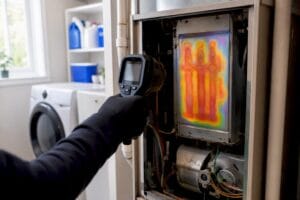
Cracked Heat Exchanger: What to Do and Why It Matters
Discover how to handle a cracked heat exchanger safely. Learn crucial steps to protect your home from hazardous gases and prevent danger.

Discover how to handle a cracked heat exchanger safely. Learn crucial steps to protect your home from hazardous gases and prevent danger.
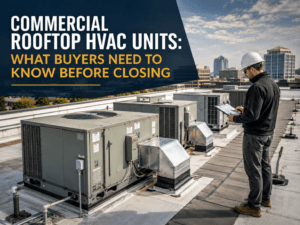

Commercial buyers often underestimate HVAC risk. That is understandable. During a showing, the building may feel comfortable. Air may be moving through the registers. The broker may say the units are working. The seller may say there have not been any major issues. But in commercial real estate, “working today”

West Knoxville luxury homes don’t fall apart loudly. They fail politely — behind drywall, above ceilings, and inside systems that most inspectors don’t fully understand, much less test under real conditions. Sequoyah Hills. Northshore. Farragut. These houses are big, complex, and packed with technology that works great on closing day
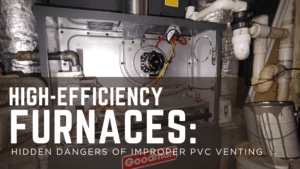
High-efficiency furnaces are great when they’re installed correctly. Quiet, efficient, and cheaper to run — on paper. In the field? I find more venting mistakes on high-efficiency furnaces than almost any other heating system. And most homeowners have no idea anything is wrong. PVC venting looks simple. That’s the problem.
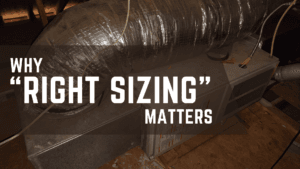
Bigger feels safer to a lot of people. More tonnage. More capacity. More “headroom.” In HVAC, that mindset causes more problems than it solves. I’ve inspected plenty of homes where the AC system was technically powerful enough — and functionally wrong for the house. Why Oversizing Happens Oversized systems usually
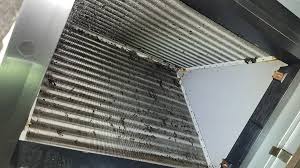
If you walk into a house and the AC kicks on — and suddenly it smells like a locker room — that’s not imagination and it’s not “new system smell.” That’s what’s commonly called Dirty Sock Syndrome, and once you’ve smelled it, you never forget it. What Dirty Sock Syndrome
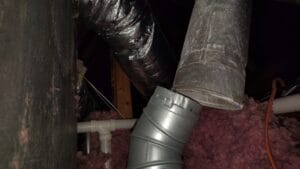
Attics hide some of the most dangerous inspection issues because no one goes up there unless they have to. When I see a metal B-vent running through an attic, I’m immediately checking one thing first: clearance. Because heat plus combustible materials is a bad equation every single time. What B-Vent
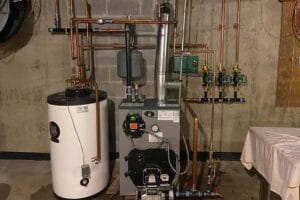
Boiler systems don’t scare me — neglected boiler systems do. In older Memphis neighborhoods, especially Midtown and East Memphis, boilers are still quietly doing their job decades after installation. They’re simple, durable, and when maintained, incredibly reliable. But when they’re ignored, modified poorly, or misunderstood, they become expensive and potentially
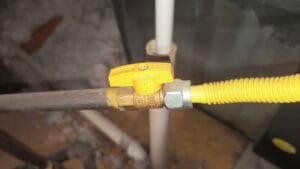
Gas lines are one of those systems that don’t forgive assumptions. They don’t squeak when they’re loose. They don’t drip when they’re wrong. And when they fail, the consequences are immediate and serious. That’s why I slow way down any time I’m inspecting gas piping — especially when I see
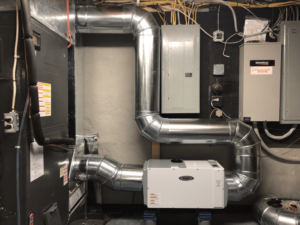
In the Mid-South, temperature is only half the battle. I’ve walked into plenty of homes that were technically “cool” — and still miserable. Sticky air. Heavy feeling. That clammy sensation that makes 72 degrees feel like 80. That’s a humidity problem, not an HVAC problem. And most systems weren’t designed
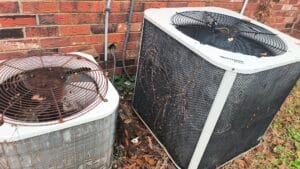
When buyers ask me, “How long do you think this AC will last?” I never give them a number without context. A 15-year-old condenser might have two seasons left — or it might be one heat wave away from failure. Age alone doesn’t decide that. Condition does. Why Age Is
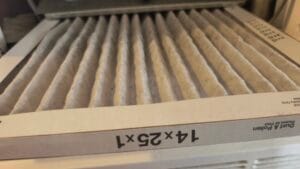
Before I open panels, before I pull out meters, before I start talking about compressors or heat exchangers, I check the furnace filter. Every time. Not because it’s exciting — but because that one cheap, forgotten component causes more downstream damage than almost anything else in an HVAC system. The