Why hire a home inspector? Here are the core reasons
Buying a home without a professional inspection is one of the riskier financial moves you can make. A trained inspector gives you an objective read on the property’s condition before you’re legally committed, and that information changes everything from your negotiating position to your decision to proceed at all. Here is what a professional inspection actually does for you:
- Uncovers hidden defects that aren’t visible during a casual walkthrough
- Reduces buying risk by flagging structural, electrical, and plumbing problems early
- Saves money by identifying repairs before closing, not after
- Strengthens your negotiating position with documented evidence of defects
- Confirms safety by identifying electrical hazards, carbon monoxide risks, and mold
- Builds purchase confidence so you know exactly what you’re buying
- Creates baseline documentation of the property’s condition at the time of purchase
Each of these benefits compounds. A single inspection report can simultaneously protect your budget, your family’s safety, and your legal standing if problems surface after closing.
Table of Contents
- 1. How inspections reduce buying risk and prevent costly surprises
- 2. How inspections protect your investment and save money
- 3. Gaining confidence to make an informed purchase decision
- 4. What home inspectors actually examine
- 5. Professional judgment goes beyond a checklist
- Upchurch Inspection serves buyers who need a thorough evaluation
- Key Takeaways
- FAQ
1. How inspections reduce buying risk and prevent costly surprises
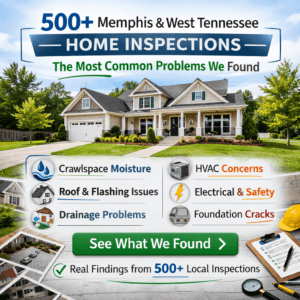
Most serious defects don’t announce themselves during an open house. Buyers walk through admiring the kitchen remodel while a failing electrical panel sits quietly in the basement. Professional inspectors know where to look and what subtle signs point to bigger problems developing behind walls or under floors.
Common risks that inspections regularly surface include:
- Foundation cracks or settlement indicating structural movement
- Roof damage that makes the home uninsurable or mortgage-ineligible
- Outdated or unsafe electrical panels, including Federal Pacific and Zinsco brands
- Active plumbing leaks and hidden water damage behind finished surfaces
- HVAC systems near or past their service life
- Mold growth in attics, crawl spaces, and around HVAC equipment
“Buying a home is probably the largest financial decision you’ll ever make, yet many buyers skip the one step that could save them thousands of dollars and protect their family’s safety.” — InterNACHI
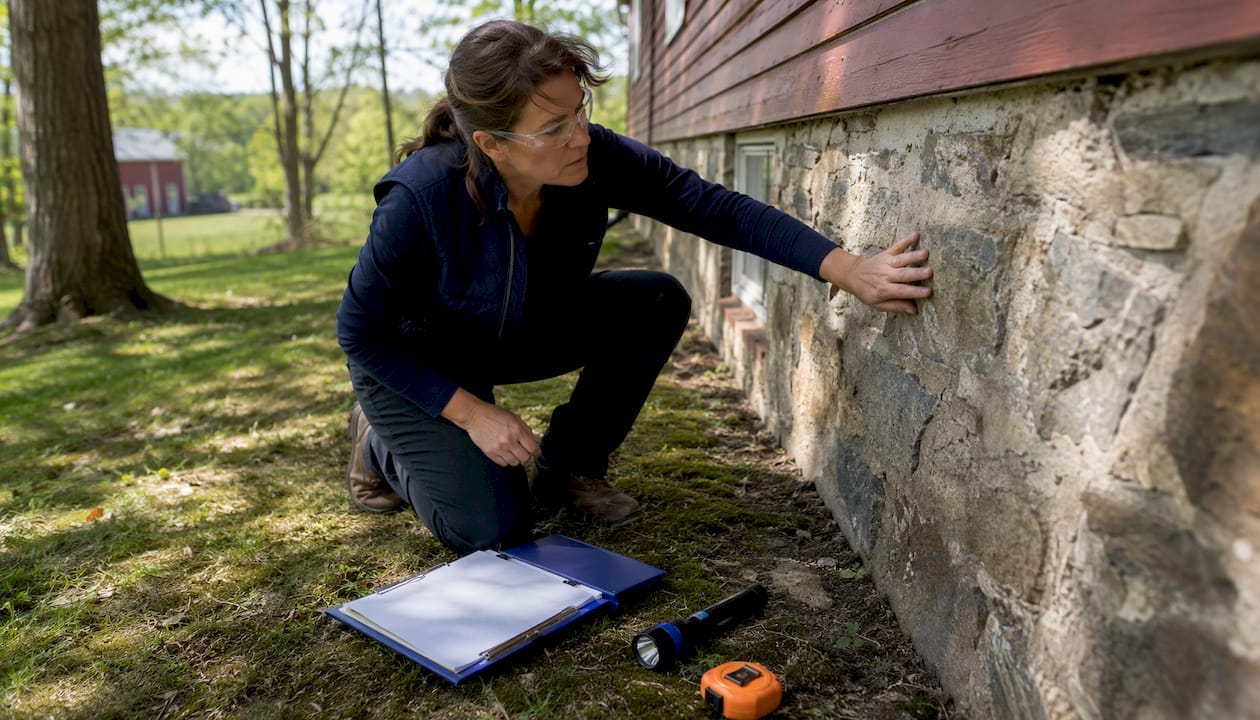
Standard inspections are non-invasive. We don’t open walls or excavate foundations. When we see signs that warrant a closer look, we recommend a specialist. That referral alone can be worth the entire inspection fee.
2. How inspections protect your investment and save money
The average home inspection costs $450, with most buyers paying between $400 nd $500, depending on property specifics and any specialized add-ons. That fee is modest against the cost of a foundation repair, a full roof replacement, or a sewer line that collapses six months after closing.
Ways inspections save money in practice:
- Identify repairs you can ask the seller to fix before closing
- Give you grounds to negotiate a price reduction when sellers won’t make repairs
- Let you walk away from a bad deal before you’re committed
- Prevent deferred maintenance from becoming emergency repairs after move-in
- Provide documentation if defects appear after closing
A standard inspection covers the home’s major systems. Specialized add-ons for radon, termites, sewer scope, or mold cost extra but are worth considering depending on the property’s age, location, and condition. Skipping the inspection entirely to save a few hundred dollars is a false economy, because costly issues that arise after closing become entirely your problem to fix.
Pro Tip: Ask your inspector which add-on inspections make sense for the specific property. In the Mid-South, sewer scope and mold testing are worth the extra cost on older homes, particularly those built before 1980.
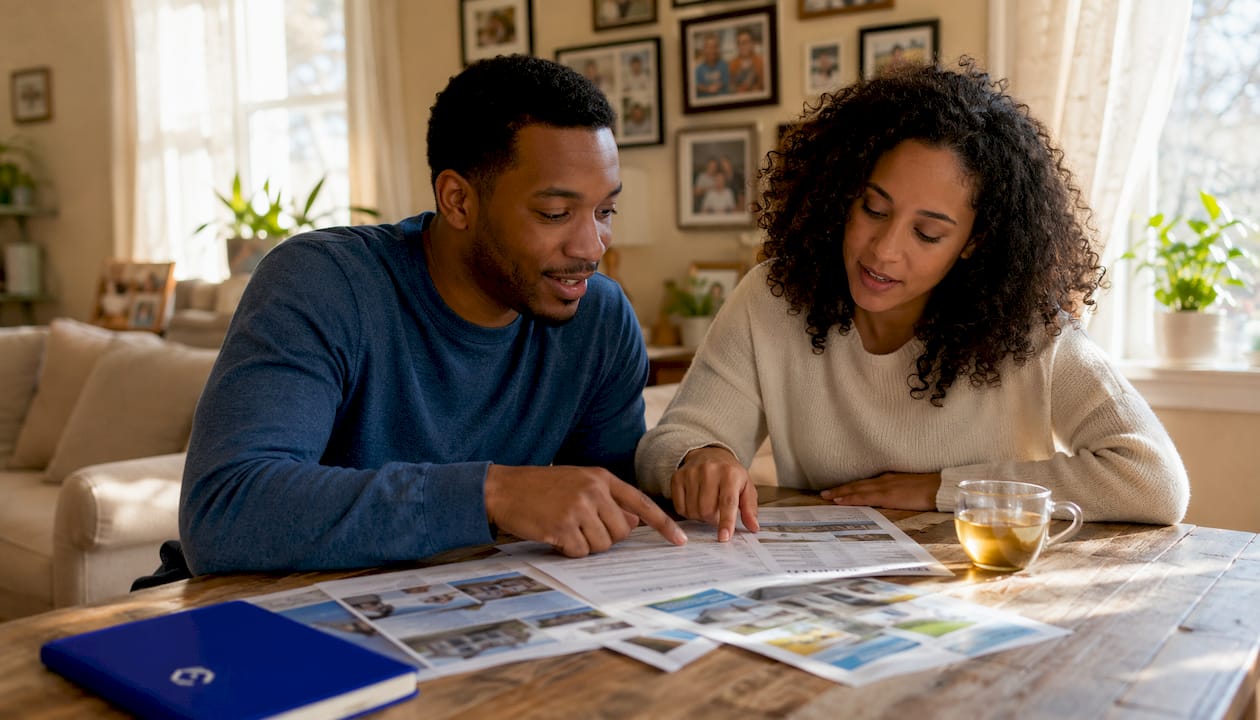
3. Gaining confidence to make an informed purchase decision
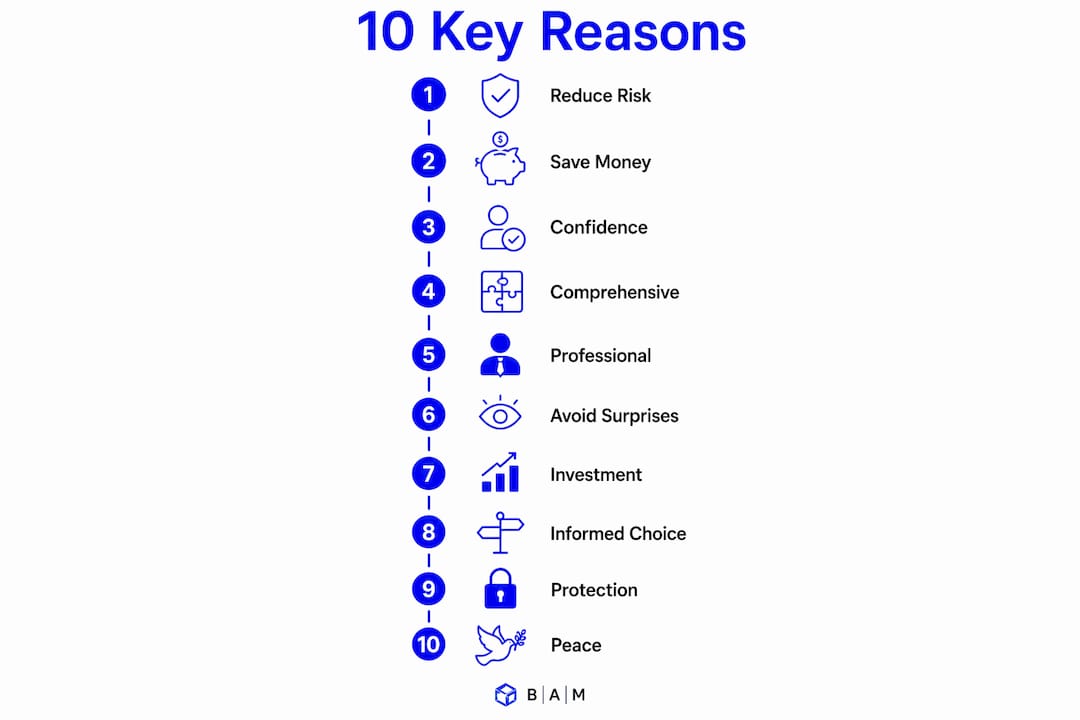
A good inspection report doesn’t just list problems. It tells you what’s cosmetic, what needs maintenance, what’s a safety concern, and what requires a specialist. That layered picture gives you the clarity to decide whether to proceed, renegotiate, or walk away, without guessing.
Confidence-building factors buyers get from a professional inspection:
- A detailed written report with photos and severity ratings
- An on-site walkthrough where you can ask questions in real time
- Clear separation of urgent safety issues from routine maintenance items
- Guidance on reading the report so findings translate into decisions
Pro Tip: Attend the inspection in person. Being on site lets you see conditions firsthand, ask questions as issues arise, and understand the home’s systems in a way no written report can fully replicate.
The emotional side of a home purchase can cloud judgment. An objective third-party report grounds your decision in facts rather than enthusiasm for the granite countertops.
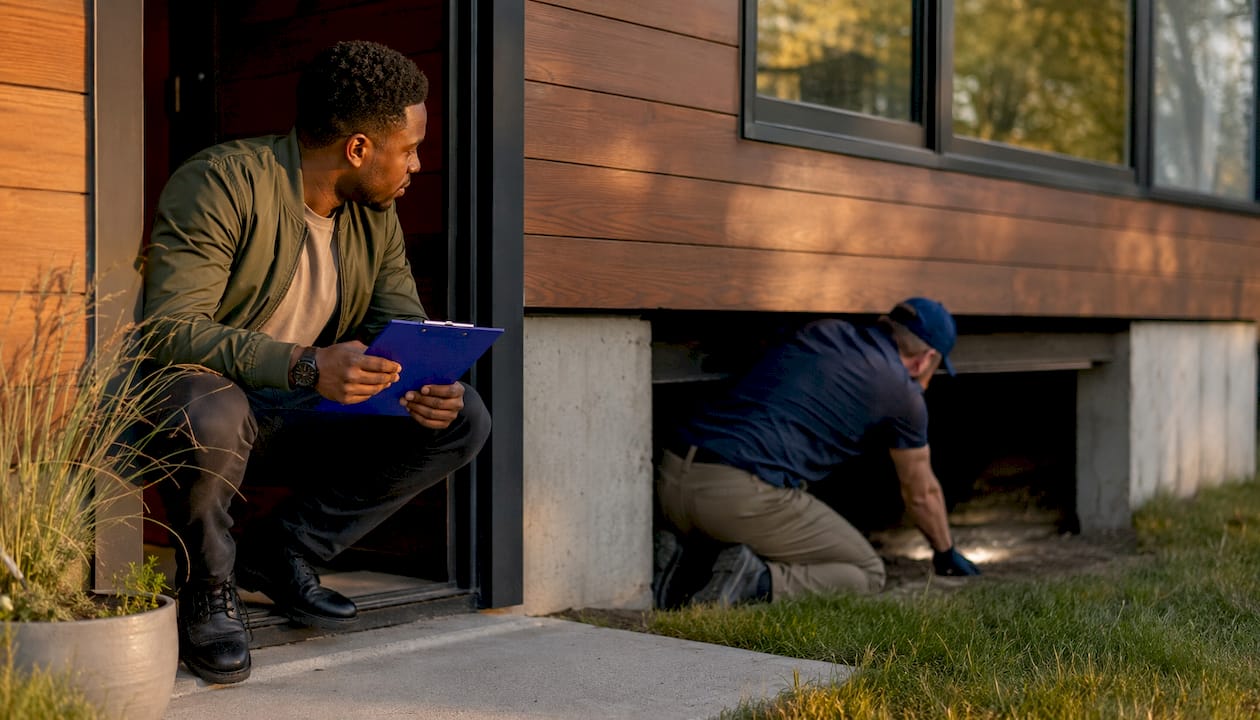
4. What home inspectors actually examine
A standard inspection covers the home’s overall physical condition, not just the obvious surfaces. Here’s what we evaluate and why each component matters:
- Foundation and structure: Settlement, cracks, and water intrusion can indicate expensive movement or drainage failures
- Roof and attic: Condition of shingles, flashing, ventilation, and insulation directly affects longevity and energy costs
- Electrical system: Panel capacity, wiring type, grounding, and GFCI protection are safety-critical
- Plumbing: Supply lines, drain function, water heater condition, and signs of active leaks
- HVAC: Age, condition, filter maintenance, and whether the system heats and cools adequately
- Safety features: Smoke and carbon monoxide detectors, handrail heights, window egress
Inspectors report on what they can observe. We don’t inspect inside walls, under concrete slabs, or behind finished ceilings. When findings suggest a problem requiring further investigation, such as a crack pattern consistent with active settlement or a musty odor in the crawl space, we state it clearly and recommend the appropriate specialist.
5. Professional judgment goes beyond a checklist
A home inspection is closer to a general practitioner’s checkup than a pass/fail test. As Brian Wendorf of Integrated Home Inspections puts it, the inspector assesses overall health and refers specialists as needed, rather than diagnosing every issue in isolation. That framing matters because it sets realistic expectations about what an inspection can and cannot tell you.
Low quotes are a warning sign. An inspector who charges well below the market average and wraps up in under an hour is not giving you a thorough evaluation. When you’re protecting a six-figure purchase, the $50 you save on a cut-rate inspection is not a good trade. Look for inspectors certified through the American Society of Home Inspectors (ASHI) or InterNACHI, both of which hold members to defined standards and require continuing education. The role of inspections in real estate transactions depends entirely on the quality of the inspector you hire.
Inspectors also don’t provide repair cost estimates. That’s not a limitation of skill; it’s an ethical boundary that protects objectivity. Get contractor quotes separately after the inspection report identifies what needs attention.
Upchurch Inspection serves buyers who need a thorough evaluation
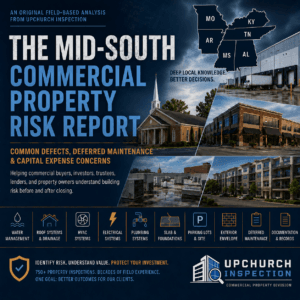
Buyers in the Mid-South who want more than a template checklist work with Upchurch Inspection for a reason. Our inspectors exceed Tennessee state licensing standards, and our reports include detailed photos, severity ratings, and clear language that translates directly into negotiating leverage. We cover residential and commercial properties and offer thermal imaging, mold testing, sewer scope, and warranty inspections when warranted. The benefits of regular inspections extend well beyond the closing table, and our documentation gives you a baseline record that protects you long after move-in. Schedule your inspection with Upchurch Inspection before you close.
Key Takeaways
A professional home inspection is the most cost-effective risk management tool available to a homebuyer, typically costing between $400 and $500, with the average at $450, while protecting a purchase worth hundreds of thousands of dollars.
| Point | Details |
|---|---|
| Inspection cost vs. risk | The average inspection costs a modest amount, a fraction of what major hidden defects can cost after closing. |
| Negotiation leverage | A detailed report gives buyers documented grounds to request repairs or a price reduction. |
| Inspection scope | Standard inspections cover structure, roof, electrical, plumbing, HVAC, and safety features. |
| Quality indicator | A thorough inspection takes 3–5 hours for a 2,000 sq ft home; shorter work signals rushed results. |
| Upchurch Inspection | Upchurch Inspection provides detailed, photo-rich reports with severity ratings for buyers in the Mid-South. |
FAQ
Is it worth hiring a home inspector?
Yes. At an average cost of $450, with most professional inspections ranging from $400 to $500, a home inspection can save buyers thousands by identifying defects before closing and providing leverage to negotiate repairs or a lower price.
What does a standard home inspection not cover?
Standard inspections are non-invasive and don’t cover areas behind finished walls, under concrete slabs, or inside sewer lines. Specialized inspections for radon, mold, termites, and sewer scope are separate add-ons with additional costs.
Can a home inspector tell me how much the repairs will cost?
No. Inspectors report defects but do not estimate repair costs or perform repairs themselves. Get quotes from licensed contractors after reviewing the inspection report.
How do I choose a qualified home inspector?
Look for certification through ASHI or InterNACHI, verify state licensing, and confirm the inspector allows you to attend. Avoid unusually low quotes, since thorough inspections for a 2,000 sq ft home typically take 3–5 hours.
What happens if I skip the home inspection?
Skipping the inspection means any defects discovered after closing become your financial responsibility. Unless you can prove the seller deliberately concealed a problem, post-closing repairs are yours to fund.