What a commercial property inspection actually covers in Cape Girardeau
A Cape Girardeau commercial property inspection is a professional, investment-grade evaluation of a building’s physical condition. It is not a home inspection with a bigger checklist. The goal is to identify material physical deficiencies, quantify their financial implications, and give buyers, lenders, and investors a credible basis for decision-making.
The primary deliverable is a Property Condition Report (PCR), which separates urgent repair needs from long-term capital replacement schedules. Minor maintenance items are deliberately excluded from scope. What you get is a clear picture of what the building actually costs to own, not just what it costs to buy.
Key elements the PCR addresses:
- Immediate repairs: Deficiencies requiring urgent attention before or shortly after acquisition
- Capital reserve schedule: Projected replacement costs for major systems over time
- Material deferred maintenance: Conspicuous defects in systems, components, or equipment observed during the walk-through
- Opinions of probable cost: Dollar-range estimates tied to specific findings, not vague warnings
- Risk communication: Executive summary written for decision-makers, not just technicians
Inspections follow ASTM E2018 standards, the most widely cited framework for baseline property condition assessments in the U.S. That standard defines scope, process, and reporting expectations, and it explicitly excludes routine maintenance and cosmetic issues from the deficiency list.
Table of Contents
- Types of commercial inspections and what gets evaluated
- What credentials should your commercial inspector hold?
- What to expect during the inspection process
- Common risks in Cape Girardeau’s commercial building stock
- How to use your Property Condition Report as an investment tool
- Service areas and local expertise
- What a commercial inspection report looks like
- Legal and regulatory requirements for commercial inspections in Cape Girardeau
- What commercial inspections typically cost in Cape Girardeau
- When to schedule a commercial property inspection
- How to choose the right commercial property inspector
- Upchurchinspection: field-tested commercial inspections for Cape Girardeau investors
- Key Takeaways
- FAQ
Types of commercial inspections and what gets evaluated
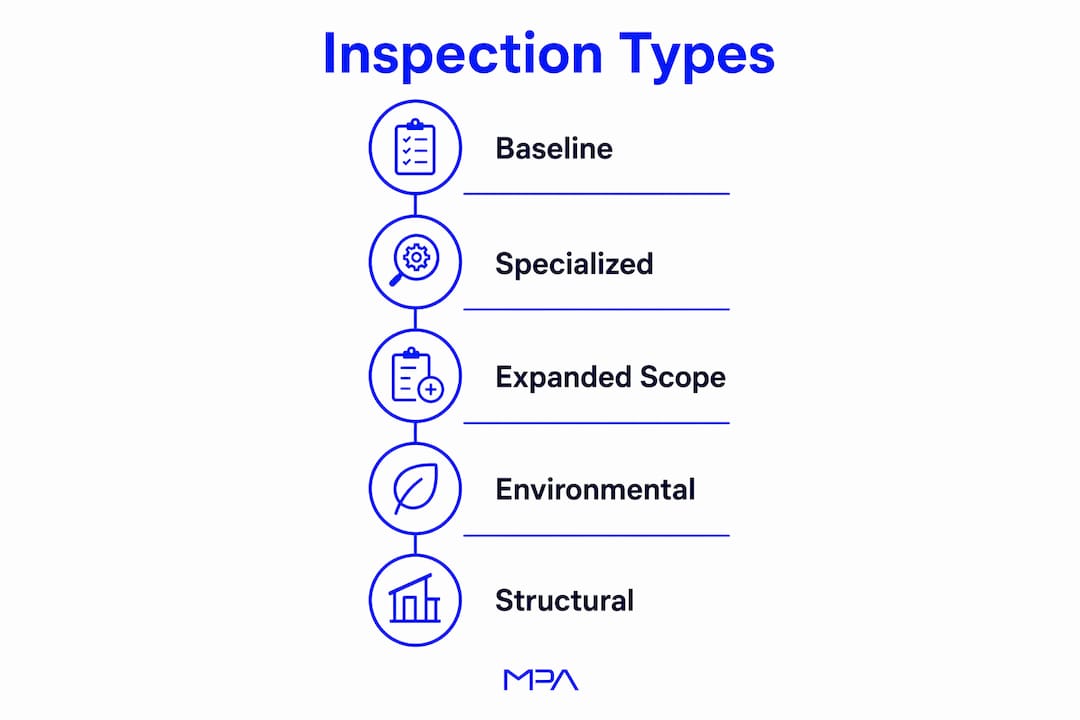
The baseline Property Condition Assessment (PCA) is the standard starting point for most commercial real estate transactions. It covers eleven major areas through a visual, non-invasive walk-through without opening walls or dismantling equipment.
Systems and components typically evaluated:
- Structural systems: Foundation, framing, load-bearing walls, visible signs of settlement or movement
- Roofing: Surface condition, drainage, flashing, penetrations, and estimated remaining service life
- Electrical systems: Panel age and condition, service capacity, visible wiring, code concerns
- Plumbing: Supply and drain lines, water heater condition, visible leaks or corrosion
- HVAC: Equipment age, condition, maintenance history, and whether units are near end of service life
- Building envelope: Windows, exterior walls, caulking, and moisture intrusion points
- Life safety and ADA: Fire suppression, egress, accessibility compliance, and air quality concerns
- Site elements: Drainage, paving, retaining walls, lighting, and curbing
Beyond the baseline, clients can request expanded scopes for higher-risk properties. Specialized studies may include detailed roofing assessments, mechanical system evaluations, energy audits, environmental reviews, or infrared thermography for moisture and energy loss. The scope is user-defined and should be established before the inspector arrives, not after.
What credentials should your commercial inspector hold?
Not every inspector who handles residential properties is qualified to evaluate a commercial building. The standards for commercial inspectors recognize professional architecture or engineering licensure, relevant construction experience, and specialized certifications as acceptable qualifications.
Credentials worth verifying:
- Licensed Professional Engineer (PE): Carries legal accountability for structural and systems assessments; particularly relevant for complex or older buildings
- InterNACHI certification: The International Association of Certified Home Inspectors has developed commercial-specific Standards of Practice, and certified inspectors follow a defined scope
- CCPIA membership: The Certified Commercial Property Inspectors Association maintains a verifiable directory of qualified commercial inspectors
- ASTM E2018 and ComSOP familiarity: Inspectors should be able to explain how their process aligns with these standards, not just name-drop them
- Regional experience: Familiarity with Southeast Missouri building stock, local codes, and climate-related failure patterns matters as much as credentials on paper
Ask any prospective inspector how many commercial properties they have assessed, what property types they cover, and whether they carry errors and omissions insurance. A qualified inspector will answer those questions without hesitation.
What to expect during the inspection process
A well-run commercial inspection follows a defined sequence. It does not start when the inspector walks in the door.

The process typically includes phases such as document review, the on-site walk-through, and report preparation. Before the site visit, the inspector reviews available maintenance records, prior inspection reports, permits, and any known repair history. That context shapes what to look for during the walk-through.
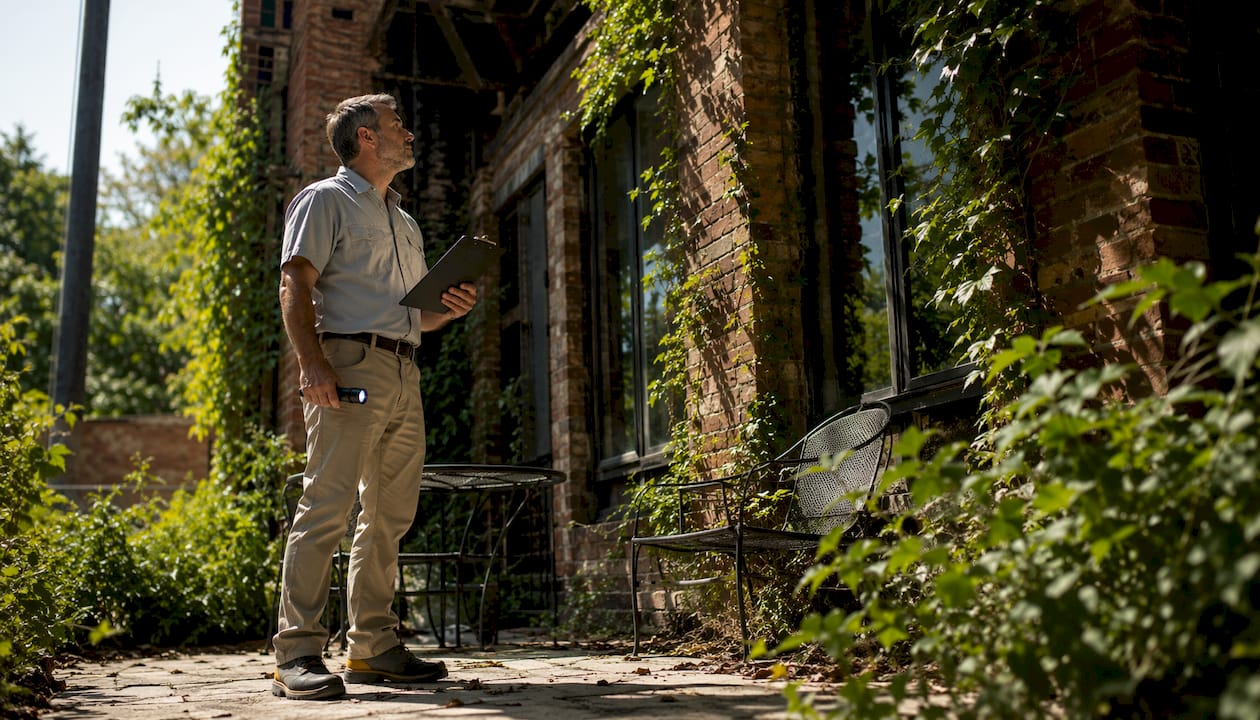
On site, the inspector conducts a thorough visual survey of all accessible areas and major systems. For larger buildings, the goal is a representative sample that gives a credible picture of overall condition. Interviews with property management or maintenance staff often surface issues that are not visible, such as recurring HVAC problems or a roof that has been patched repeatedly. Those conversations belong in the report.
The resulting PCR typically runs several dozen pages and includes a narrative summary, photographic documentation, cost opinion tables, and an executive summary. The executive summary functions as the replacement reserves cost table, which is where most investors focus first.
Common risks in Cape Girardeau’s commercial building stock
Cape Girardeau’s commercial inventory includes a significant share of older buildings, and aging Southeast Missouri properties carry predictable failure patterns that show up repeatedly in inspection reports.
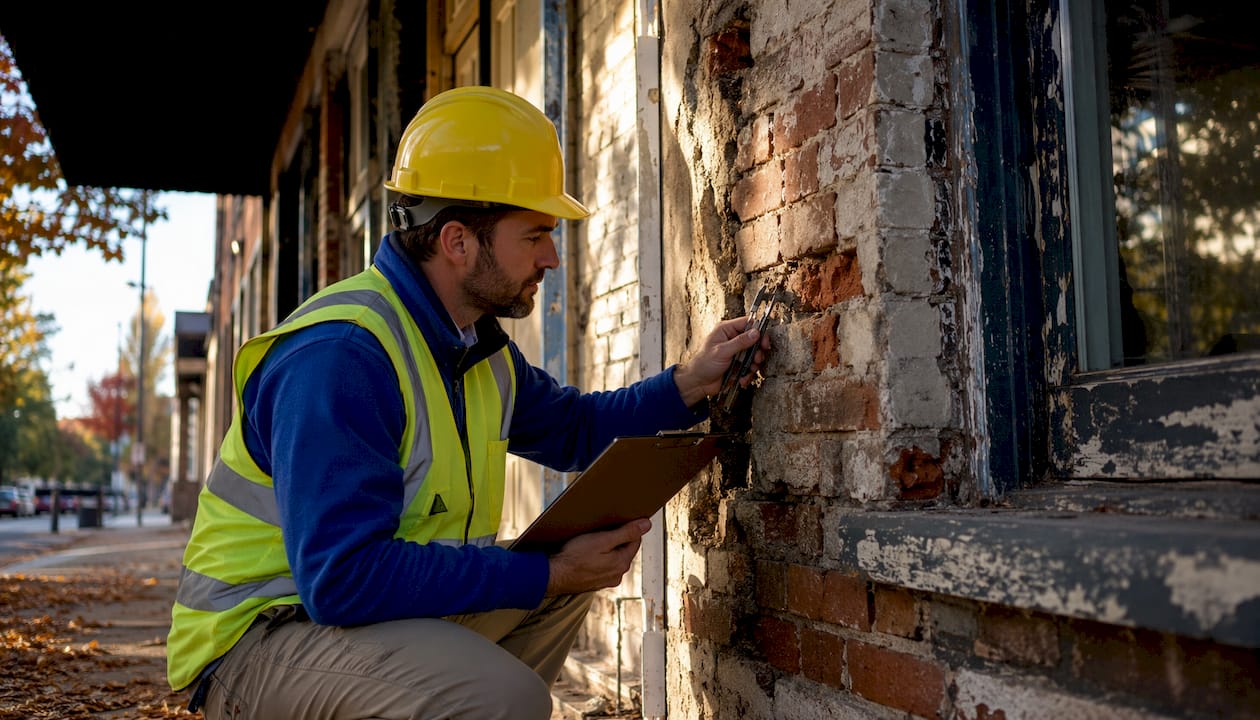
Structural deterioration is common in brick masonry buildings from the mid-20th century. Mortar joint erosion, lintel corrosion above window openings, and foundation settlement from expansive soils are not rare findings. Roof wear is another consistent issue. Flat and low-slope commercial roofs in this climate take a beating from freeze-thaw cycles and summer heat, and deferred maintenance on flashing and drainage accelerates deterioration.
Electrical systems in older Cape Girardeau buildings often predate current capacity demands. Panels that were adequate for 1970s tenants may be undersized for modern equipment loads. HVAC systems are a particular concern: when one unit in a multi-zone building fails, the domino effect on adjacent systems can be significant, especially when the equipment is well past its rated service life.
Humidity is a real factor in this river-town environment. Moisture intrusion through building envelopes, crawlspace condensation, and inadequate vapor barriers create conditions for mold growth and wood deterioration that are not always visible from the surface. Any inspection finding that suggests moisture should be taken seriously, not dismissed as cosmetic.
How to use your Property Condition Report as an investment tool
The PCR is not a pass/fail document. It is a financial planning tool, and experienced investors treat it that way. The report’s value lies in converting building conditions into quantifiable cost projections that support negotiation, budgeting, and risk management.
Immediate repair findings give you leverage at the negotiating table. If the inspection identifies a roof that needs replacement within 12 months, that cost belongs in the purchase price discussion. Long-term capital items, such as HVAC replacement in years 5–8 or parking lot resurfacing in year 3, feed directly into your reserve fund planning.
Pro Tip: Define your inspection scope in the engagement contract before the inspector arrives. If lease termination liability, structural integrity, or a specific system is your primary concern, say so explicitly. A generic scope may not address the risks that matter most to your deal.
The report also tells you when to bring in specialists. A baseline inspection identifies visible deficiencies and flags conditions that warrant further evaluation. If the inspector notes suspected structural movement or evidence of environmental contamination, that is a trigger for a licensed engineer or environmental consultant, not a reason to walk away without more information.
Service areas and local expertise
Upchurchinspection serves Cape Girardeau and the surrounding Southeast Missouri region, including communities across the Bootheel and neighboring areas in Arkansas, Tennessee, Mississippi, and Kentucky. That geographic range reflects real field experience with the building types, climate conditions, and code environments that define this part of the Mid-South.
Commercial property types we inspect include:
- Office buildings, including historic downtown Cape Girardeau properties
- Retail and strip commercial centers
- Industrial and warehouse facilities
- Mixed-use buildings with residential and commercial components
- Multi-tenant properties and apartment complexes
Local knowledge matters in ways that a national inspection firm cannot replicate. We know which Cape Girardeau neighborhoods have older sewer infrastructure, which building eras used materials that require specialist review, and how the Mississippi River corridor’s humidity affects building envelopes differently than inland markets. That context shapes how we read what we find.
What a commercial inspection report looks like
A well-structured PCR follows a consistent format regardless of property size. Understanding that format helps you read the report efficiently rather than getting lost in the narrative.
The report structure typically includes an executive summary with a cost table, followed by system-by-system narrative sections with photographs, and concluding with a capital reserve schedule. Each finding is categorized by urgency: immediate action items appear separately from items projected for replacement within a defined timeframe.
Cost opinions in the PCR are estimates, not contractor bids. They give you an order-of-magnitude figure for budgeting and negotiation, not a fixed price. For significant findings, the report will recommend obtaining contractor proposals or specialist evaluations before closing.
Legal and regulatory requirements for commercial inspections in Cape Girardeau
Missouri does not mandate a commercial property inspection as a condition of sale, but lenders financing commercial acquisitions frequently require one. Most institutional lenders expect a PCA that follows ASTM E2018 standards before approving a commercial real estate loan.
Cape Girardeau follows Missouri’s statewide building codes, which reference the International Building Code (IBC) for commercial construction. ADA compliance surveys are often included as part of a broader PCA scope, particularly for properties with public access. Life safety systems, including fire suppression and egress, are evaluated against applicable code requirements during the inspection.
Environmental assessments (Phase I ESA) are separate from the PCA but are commonly ordered simultaneously, particularly for industrial properties or sites with prior commercial use. The two reports together give lenders and buyers a complete due diligence picture.
What commercial inspections typically cost in Cape Girardeau
Commercial inspection fees vary based on property size, type, age, and scope. A baseline PCA for a small commercial building generally starts at a modest fee, with costs increasing for larger or more complex properties. Larger or more complex properties, or those requiring expanded scope studies, cost more.
Pricing is not publicly listed for most commercial inspection engagements because scope varies significantly. The most reliable approach is to contact the inspector with the property address, square footage, property type, and your intended use of the report. That conversation will produce an accurate fee estimate.
The inspection fee is a small fraction of the financial risk it helps you quantify. A $1,500 inspection that surfaces a $200,000 deferred maintenance liability is not an expense. It is due diligence.
When to schedule a commercial property inspection
For acquisitions, the inspection should occur during the due diligence period, after a letter of intent is signed but before the inspection contingency expires. That window gives you time to review the report, engage specialists if needed, and renegotiate or exit the deal based on findings.
For existing owners, periodic inspections serve a different purpose. An inspection every three to five years helps you stay ahead of deferred maintenance before it becomes an emergency repair. Before lease renewals or refinancing, a current PCR also gives you documentation of property condition that protects your position with tenants and lenders.
How to choose the right commercial property inspector
The criteria that matter most: verifiable credentials, commercial-specific experience, a clear scope agreement in writing, and a sample report you can review before hiring.
Ask these questions before you book:
- How many commercial inspections have you completed, and what property types?
- Do you follow ASTM E2018 or ComSOP standards?
- Will the report include cost opinions for identified deficiencies?
- Do you carry errors and omissions insurance?
- Can you provide a sample PCR from a comparable property type?
An inspector who cannot answer those questions clearly is not ready for commercial work. The right inspector will also ask you questions about your goals, your timeline, and any specific concerns you have about the property before the inspection begins.
Upchurchinspection: field-tested commercial inspections for Cape Girardeau investors
When you are evaluating a commercial property in Cape Girardeau or anywhere across the Mid-South, you need a report that holds up under scrutiny, not a checklist that raises more questions than it answers. Upchurchinspection delivers detailed Property Condition Assessments that give you cost-specific findings, clear risk categories, and the regional context that out-of-market firms miss.
Our inspectors bring over 35 years of combined experience across Southeast Missouri, Tennessee, Arkansas, Mississippi, and Kentucky. We work with buyers, investors, property managers, and real estate professionals who need credible, unbiased documentation to support high-stakes decisions. Forbes Advisor and Bob Vila have recognized the standard of reporting we hold ourselves to.
Whether you are acquiring an office building on Broadway, evaluating a warehouse near the port, or managing a mixed-use property downtown, regular professional inspections protect your asset and your investment thesis. Contact Upchurchinspection to schedule your commercial property assessment and get the report your deal actually needs.
Key Takeaways
A Cape Girardeau commercial property inspection converts building conditions into quantifiable financial risk, giving investors and buyers the data they need to negotiate, budget, and decide with confidence.
| Point | Details |
|---|---|
| PCR is the core deliverable | The Property Condition Report separates urgent repairs from long-term capital needs, excluding minor maintenance items. |
| ASTM E2018 sets the standard | Baseline PCAs follow this framework, defining scope, walk-through procedures, and reporting expectations. |
| Local risks are predictable | Aging Cape Girardeau buildings commonly show roof wear, electrical obsolescence, moisture intrusion, and HVAC near end of service life. |
| Scope must be defined upfront | Clients who specify concerns in the engagement contract get reports that address the risks that matter to their deal. |
| Upchurchinspection covers the region | With over 35 years of experience across Southeast Missouri and the Mid-South, Upchurchinspection delivers field-informed commercial PCAs for buyers and investors. |
FAQ
Can a home inspector perform a commercial building inspection?
Not effectively. Commercial inspections follow different standards (ASTM E2018 or ComSOP) and require experience with commercial systems, investment-grade reporting, and property types that residential inspectors rarely encounter.
What are the main types of commercial property inspections?
The baseline Property Condition Assessment (PCA) is the standard type, covering structural, roofing, electrical, plumbing, HVAC, life safety, and site elements. Expanded scopes may add environmental, roofing, or mechanical specialist studies.
How much does a commercial inspection cost in Missouri?
Fees vary by property size, type, and scope. Smaller commercial properties typically start in the low thousands; larger or more complex buildings cost more. Contact Upchurchinspection with property details for an accurate estimate.
What are the biggest red flags during a commercial inspection?
Deferred roof maintenance, electrical panels near or past service life, evidence of moisture intrusion, and HVAC systems well beyond their rated lifespan are the findings that most often affect deal terms or require specialist follow-up.
Recommended
- Southeast Missouri Commercial Stock: Aging Buildings in Cape Girardeau and the Risks Buyers Inherit – Upchurch Inspection
- Home Inspection Services in Cape Girardeau, MO – Upchurch Inspection
- Inspection Considerations for Historic Homes in Cape Girardeau – Upchurch Inspection
- Cape Girardeau Industrial: The Repurposed Warehouse Audit – Upchurch Inspection