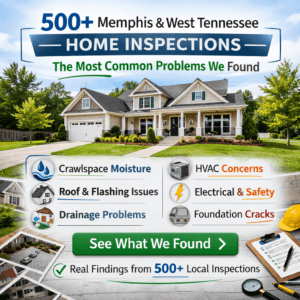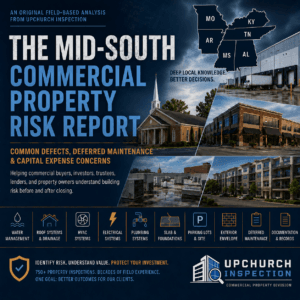
Over eighty percent of American home buyers insist on a property inspection before signing any paperwork. This emphasis on thorough inspections reflects how much is at stake in every real estate deal. The right assessment can reveal hidden dangers or costly repairs that might otherwise go unnoticed. Whether you are buying or selling, understanding inspections arms you with the knowledge to safeguard your financial interests and avoid unwelcome surprises at the closing table.
Table of Contents
- Defining Inspections In Real Estate Transactions
- Essential Types Of Property Inspections
- Inspection Process For Buyers And Sellers
- Legal And Financial Impact Of Inspections
- Common Risks And How To Avoid Issues
Key Takeaways
| Point | Details |
|---|---|
| Importance of Home Inspections | Home inspections provide crucial evaluations of a property’s condition, enabling buyers and sellers to make informed decisions in real estate transactions. |
| Types of Inspections | Various specialized property inspections exist, each focusing on specific aspects such as foundation, roof, pests, and environmental hazards. |
| Risk Mitigation | Conducting thorough inspections reduces the risk of unexpected financial burdens and legal complications related to property defects. |
| Documentation and Transparency | A detailed inspection report serves as essential documentation, aiding negotiation and ensuring clarity between parties involved. |
Defining Inspections in Real Estate Transactions
A home inspection represents a critical professional evaluation of a property’s physical condition, designed to provide potential buyers and sellers with comprehensive insights into the structural integrity and functional status of a residential property. Unlike a standard property appraisal that primarily assesses market value, a home inspection is a meticulous, visual examination that uncovers potential issues, defects, and maintenance requirements that could significantly impact a real estate transaction.
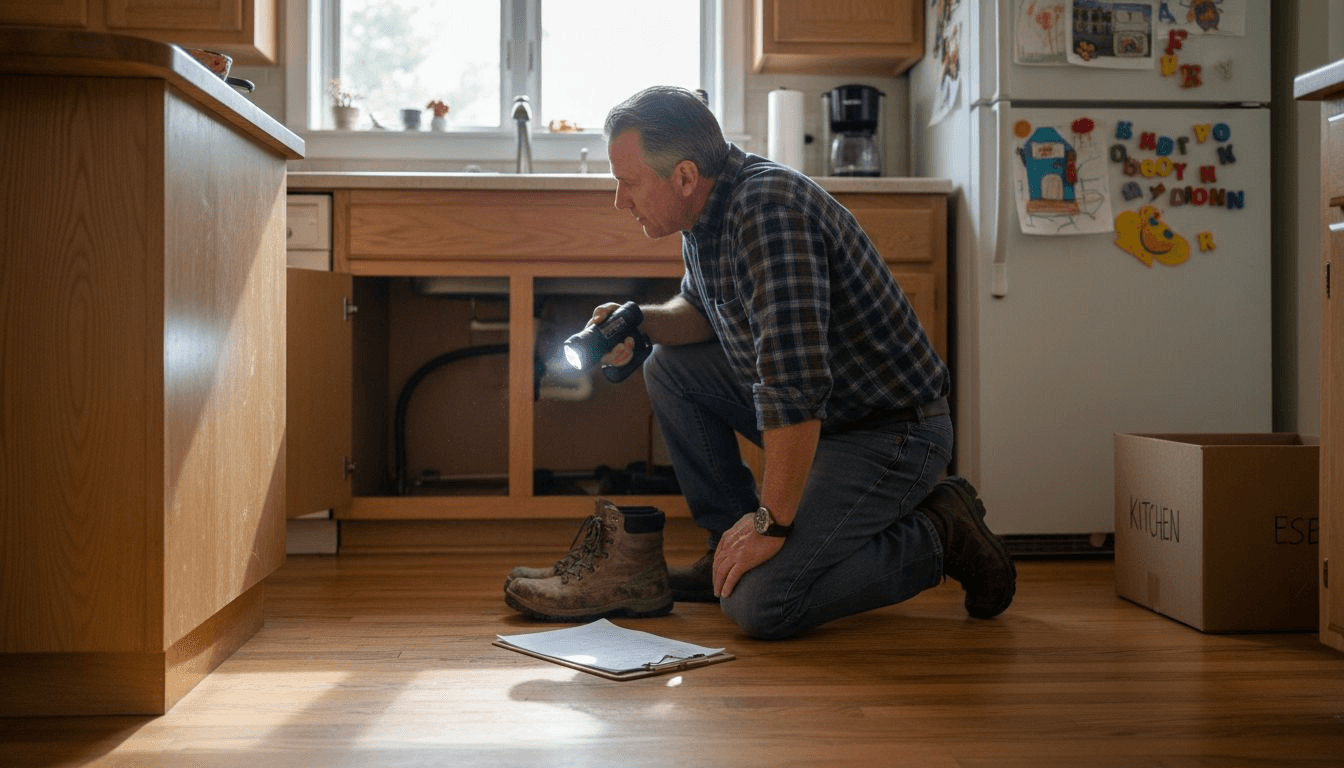
Typically conducted by a certified professional inspector, the inspection process involves a systematic review of multiple home systems and structural components. This includes evaluating the foundation, roof, electrical systems, plumbing, HVAC, windows, doors, and other critical elements that contribute to the property’s overall condition. Inspectors use specialized tools and their professional expertise to identify both immediate concerns and potential future maintenance needs, providing a detailed guide on home inspection processes that help buyers make informed decisions.
The primary goal of a home inspection is risk mitigation and transparency in real estate transactions. By revealing hidden problems or potential structural issues before finalizing a sale, inspections protect both buyers and sellers from unexpected financial burdens. Buyers gain critical information about the property’s condition, which can inform negotiation strategies, while sellers can proactively address issues that might otherwise derail a potential sale. Understanding the nuanced role of home inspections helps all parties approach real estate transactions with greater confidence and clarity.
Pro Tip: Always request a comprehensive written inspection report that details findings, includes photographs of potential issues, and provides estimated repair costs to support your real estate transaction decision-making process.
Essential Types of Property Inspections
Property inspections are comprehensive evaluations that go far beyond a simple visual assessment, encompassing multiple specialized assessment types designed to uncover potential risks, structural issues, and environmental concerns. These inspections serve as critical tools for property buyers, sellers, and investors to make informed decisions about real estate transactions and property maintenance.
The primary types of property inspections include residential home inspections, which examine the overall condition of a house’s major systems and structural components. Uncovering common issues found during home inspections helps potential buyers understand the property’s true condition. Additional specialized inspection types include:
- Foundation Inspections: Evaluate the structural integrity of a building’s base
- Roof Inspections: Assess roofing materials, structural condition, and potential damage
- Pest Inspections: Identify existing or potential insect and rodent infestations
- Radon Testing: Measure radioactive gas levels that could pose health risks
- Mold Inspections: Detect potential mold growth and moisture-related issues
- Electrical System Inspections: Check the safety and functionality of electrical infrastructure
- Plumbing Inspections: Evaluate pipe conditions, potential leaks, and system performance
Commercial property inspections require an even more detailed approach, with specialized checklists and comprehensive evaluation methods that address complex building systems and regulatory compliance requirements. These inspections are crucial for identifying potential structural issues, safety concerns, and maintenance needs that could impact property value and operational efficiency.
Here is a summary comparing key home and commercial property inspection types and their primary purposes:
| Inspection Type | Main Focus | Commonly Used For |
|---|---|---|
| Home Inspection | Structural & mechanical systems | Residential real estate |
| Foundation Inspection | Integrity of base/foundation | Houses & buildings |
| Roof Inspection | Roof lifespan & damage assessment | All property types |
| Pest Inspection | Infestation detection | Residential & commercial |
| Environmental Testing | Hazards: radon, mold, asbestos | Higher-risk properties |
| Electrical System Inspection | Wiring & electrical safety | New and old properties |
| Plumbing System Inspection | Leak detection & system health | All property types |
| Commercial Property Inspection | Building systems & code compliance | Business facilities |
Pro Tip: Always hire a certified professional inspector with specific expertise in the type of property and inspection required, ensuring a thorough and accurate assessment of the property’s condition.
Inspection Process for Buyers and Sellers
The home inspection process is a critical negotiation stage in real estate transactions that requires careful coordination and strategic planning from both buyers and sellers. Unlike a casual property walkthrough, a professional inspection provides a comprehensive evaluation of the property’s condition, uncovering potential issues that could significantly impact the transaction’s outcome and future property value.
For buyers, the inspection process typically involves several key steps. Navigating what happens after the home inspection helps buyers understand their options and make informed decisions. The process generally includes:
- Scheduling a professional home inspector
- Attending the on-site inspection
- Reviewing the detailed inspection report
- Negotiating repairs or price adjustments based on findings
- Potentially requesting additional specialized inspections
Sellers play an equally important role in the inspection process. Preparing a comprehensive home inspection checklist allows sellers to proactively identify and address potential issues before the official inspection. Sellers should consider conducting a pre-listing inspection to:
- Identify and repair major structural issues
- Address potential safety concerns
- Increase property marketability
- Prevent last-minute transaction complications
- Potentially justify their asking price
Successful real estate transactions depend on transparency, communication, and thorough understanding of the property’s condition. Both buyers and sellers benefit from a professional, detailed inspection that provides clear insights into the property’s structural integrity, potential maintenance needs, and overall value.

Pro Tip: Always obtain a written inspection report and retain a copy for future reference, as it serves as a crucial document for understanding the property’s condition at the time of sale.
Legal and Financial Impact of Inspections
Home inspections represent a critical legal and financial safeguard in real estate transactions, providing significant protection for both buyers and sellers through comprehensive property evaluations. These professional assessments serve as official documentation that can substantially influence negotiation strategies, property valuation, and potential legal recourse in case of undisclosed defects or misrepresentations.
Understanding the potential costs of waiving a home inspection reveals the substantial financial risks associated with skipping this crucial step. The legal implications of property inspections can manifest in several key areas:
- Disclosure Requirements: Sellers must legally disclose known property defects
- Contractual Contingencies: Inspection findings can trigger contract renegotiations
- Liability Protection: Documented inspections provide evidence of property condition
- Insurance Implications: Inspection reports can impact insurance coverage and rates
- Future Litigation Prevention: Comprehensive documentation reduces potential legal disputes
Financial impacts extend beyond the immediate transaction, influencing long-term property value and maintenance costs. A thorough inspection can uncover potential expensive repairs, allowing buyers to make informed decisions about their investment. For commercial properties, conducting comprehensive due diligence becomes even more critical, as the financial stakes and potential legal complexities are significantly higher.
Professional inspections ultimately serve as a critical risk management tool, transforming what could be a potentially costly and legally complicated real estate transaction into a transparent, well-documented process that protects all parties’ interests.
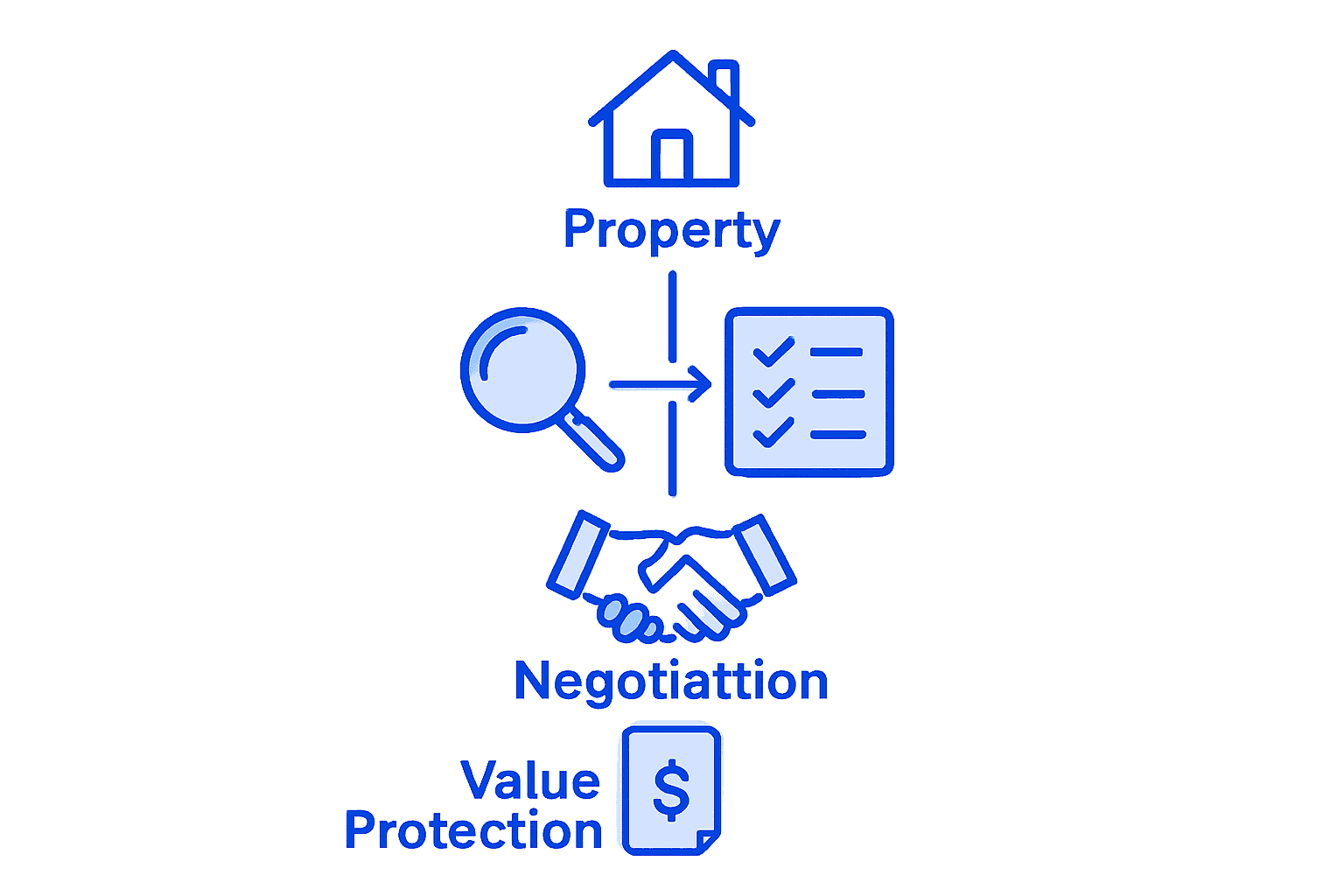
This table outlines how inspections affect legal and financial aspects in real estate transactions:
| Impact Area | Inspection Role | Common Outcomes |
|---|---|---|
| Legal Protection | Documents property condition | Reduces dispute potential |
| Negotiation Power | Reveals cost-bearing issues | Enables price adjustments |
| Insurance Coverage | Provides risk basis for insurers | Impacts policy terms/rates |
| Future Resale | Maintains detailed repair/defect history | Aids in resale disclosures |
Pro Tip: Always retain a complete copy of the inspection report and communicate openly about any discovered issues to minimize potential legal and financial risks during real estate transactions.
Common Risks and How to Avoid Issues
Real estate transactions involve numerous potential pitfalls that can compromise property value, buyer satisfaction, and overall transaction integrity. Understanding these risks is crucial for both buyers and sellers to navigate the complex landscape of property transactions with confidence and strategic awareness.
What could skipping a home inspection actually cost you reveals the significant financial and structural risks associated with neglecting professional property evaluations. The most common risks in real estate transactions include:
- Structural Defects: Hidden foundation, roof, or system problems
- Environmental Hazards: Potential mold, radon, or asbestos contamination
- Electrical and Plumbing Issues: Outdated or non-compliant infrastructure
- Pest Infestations: Undetected termite or rodent damage
- Code Violation Complications: Unpermitted modifications or renovations
To mitigate these risks, buyers and sellers should adopt proactive strategies. Commercial property inspection checklists demonstrate how systematic evaluation can uncover potential issues before they become costly problems. Effective risk mitigation strategies include:
- Conducting comprehensive pre-listing inspections
- Hiring certified professional inspectors
- Obtaining specialized assessments for unique property characteristics
- Requesting detailed repair histories
- Maintaining transparent communication throughout the transaction
Ultimately, professional inspections serve as a critical risk management tool, transforming potentially complex and uncertain transactions into transparent, well-documented processes that protect all parties’ financial and legal interests.
Pro Tip: Always prioritize professional, comprehensive inspections and never waive inspection contingencies without fully understanding the potential long-term financial and structural consequences.
Protect Your Real Estate Investment with Expert Inspections
Navigating the complexities of real estate transactions requires more than just a basic walkthrough. This article highlights the critical role of professional inspections in protecting buyers and sellers from hidden defects, costly repairs, and legal risks. Whether you are facing structural concerns, environmental hazards, or negotiation challenges, securing a thorough property inspection is essential to make confident, informed decisions.
At Upchurch Inspection, we specialize in comprehensive home and commercial property inspections across the Mid-South region including Tennessee, Arkansas, Mississippi, and Southeast Missouri. Our certified inspectors deliver detailed evaluations covering foundation integrity, electrical systems, mold testing, and more to ensure every aspect of your property is professionally assessed. Explore how our services can help you avoid costly surprises and strengthen your negotiating position by visiting our inspection service details. Schedule your inspection today and gain clarity and peace of mind for your transaction by visiting Upchurch Inspection. Learn more about the step-by-step inspection process by reviewing our home inspection guide. Take control of your investment now with trusted expertise at your side.
Frequently Asked Questions
What is the purpose of a home inspection in real estate transactions?
A home inspection serves to provide a thorough evaluation of a property’s physical condition, revealing potential issues, defects, and maintenance needs that can impact the transaction.
How can inspections protect buyers in real estate?
Inspections protect buyers by uncovering hidden problems, enabling informed negotiation strategies, and potentially allowing buyers to request repairs or price adjustments based on the inspection findings.
What types of inspections are commonly performed on residential properties?
Common types of inspections include residential home inspections, foundation inspections, roof inspections, pest inspections, radon testing, mold inspections, electrical and plumbing inspections.
Why should sellers consider a pre-listing inspection?
Sellers should consider a pre-listing inspection to identify and address potential issues, enhance property marketability, prevent complications during negotiations, and justify their asking price.