
When you're buying commercial real estate, the due diligence period is your chance to play detective. It’s the critical window of time you get to verify every single claim the seller has made about the property before the deal is final.
Think of it as looking under the hood. The marketing brochure might show a shiny, perfect asset, but due diligence is where you peel back the layers to see what's really going on.
What Due Diligence in Commercial Real Estate Really Means
A disciplined due diligence process is your best defense against finding nasty, expensive surprises after you’ve already closed. This isn't just about kicking the tires; it's a systematic investigation that gives you the power to negotiate better terms, accurately forecast future expenses, or, if needed, walk away from a bad deal with confidence.
Frankly, getting this right is often the difference between a successful investment and a financial train wreck.
The investigation is wide-ranging, touching on every piece of the property puzzle. You’ll be diving deep into the financial records, ordering meticulous physical inspections of the building and its systems, and combing through every legal and compliance document you can get your hands on.
The Three Pillars of Due Diligence
Your investigation will boil down to three core areas. Each one is essential for painting a complete, accurate picture of the asset you're about to buy.
- Financial Verification: This is where you scrutinize everything from historical operating statements and rent rolls to individual tenant leases and vendor contracts. The goal is simple: confirm the seller’s income claims are real and sniff out any hidden liabilities or financial skeletons in the closet.
- Physical Inspection: We're talking way beyond a simple walkthrough. This is a comprehensive evaluation of the property’s structural integrity, roof, HVAC, electrical, and plumbing systems. A huge part of this is making sure your inspectors follow established commercial property inspection standards of practice so nothing critical gets missed.
- Legal and Title Review: This step is all about making sure the property is free and clear of legal trouble. Understanding the critical aspects of title and real estate is non-negotiable, as is verifying zoning compliance, ADA accessibility, and any potential environmental red flags.
A rookie mistake is treating due diligence like a simple checklist. It's really an interactive process. One discovery—say, a tenant who's consistently late on rent—should trigger a whole new line of questioning about the property's financial health and management quality.
At the end of the day, the goal isn't to find a "perfect" property—they don't exist. Instead, successful due diligence in commercial real estate is about identifying and quantifying the risks. It lets you walk into the final negotiations with a crystal-clear understanding of the property's true strengths and weaknesses, giving you the leverage you need to close a deal that truly aligns with your investment goals.
Navigating the Key Phases of Due Diligence
Your due diligence journey in commercial real estate isn't a mad dash to the finish line. It's a calculated, methodical process broken down into distinct phases. Think of it like peeling back the layers of an onion—each step is designed to reveal more about the property's true nature.
This structured approach is what separates a savvy investment from a costly mistake. It keeps the process from descending into chaos and ensures every critical detail gets the attention it deserves before you put your capital on the line. The clock starts ticking the moment a letter of intent (LOI) or purchase agreement is signed.
https://www.youtube.com/embed/YCAvMDi-l_U
The Initial Review and Document Collection
This first phase is all about setting a baseline. Your immediate goal is to get your hands on the seller's preliminary documents and give them a thorough once-over. You’re essentially doing a gut check to see if the property’s financial story adds up. Does the asset actually perform the way it's been advertised?
Here's what you're focusing on right away:
- Verify Rent Rolls: Don't just scan the rent roll—compare it directly against the actual lease agreements. You need to confirm rental rates, lease terms, expiration dates, and any renewal options.
- Analyze Operating Statements: Get at least three years of profit and loss (P&L) statements. Look for trends, both good and bad. A sudden drop in maintenance costs last year might look great on paper, but it could be a huge red flag for deferred issues.
- Request Vendor Contracts: You need to see all the service contracts for things like landscaping, security, and cleaning. These are ongoing operational costs you'll be inheriting on day one.
This initial sweep is designed to catch any glaring red flags early. Discovering that two of your biggest tenants have leases expiring in the next six months is something you absolutely need to know before you spend thousands on physical inspections. For a deeper dive into this early stage, check out our guide on how to evaluate commercial property.
This entire process rests on three core pillars: the financials, the physical asset, and the legal paperwork. Each one has to be solid.

As you can see, a proper investigation isn't a linear checklist. It's a multi-faceted effort where financial, physical, and legal inquiries run in parallel, all working together to build a complete, accurate picture of the investment.
The table below breaks down the typical flow of due diligence, outlining what happens when.
Due Diligence Phases and Key Activities
| Phase | Primary Focus | Key Activities & Documents | Typical Timeline |
|---|---|---|---|
| Phase 1: Initial Review | Financial Viability | Review rent rolls, P&L statements, service contracts, and preliminary title report. | 7-10 days |
| Phase 2: Deep Dive | Physical & Legal Validation | Conduct property condition assessments, environmental site assessments, zoning reviews, and lease abstracting. | 15-45 days |
| Phase 3: Final Synthesis | Risk Mitigation & Negotiation | Synthesize all findings, quantify repair costs, and make a final go/no-go decision. Renegotiate terms if needed. | 5-7 days |
This structure helps ensure no stone is left unturned as you move toward closing.
The Comprehensive Investigation
Once the initial paperwork passes muster, it's time for the deep dive. This is where you bring in your team of specialists and spend the bulk of your time, money, and energy. Your mission here is to validate every single assumption you've made about the property's physical condition, legal standing, and position in the market.
A rookie mistake is to simply trust the seller's reports. You absolutely must commission your own third-party inspections and assessments. An independent, unbiased perspective is non-negotiable when it comes to protecting your investment.
This phase gets intense. You'll be coordinating with engineers, environmental consultants, attorneys, and other experts to uncover any hidden defects or liabilities. The market moves fast, so efficiency is key. In the third quarter of 2025 alone, 45,893 CRE properties changed hands, with a total volume of $150.6 billion—a 23.7% jump from the previous quarter. That kind of activity means you need a tight, rigorous process to compete effectively.
Synthesis and Final Decision
The final phase is all about bringing it home. You have a mountain of data—from the property condition assessment to the title search—and now you have to synthesize it all into a clear story about the property's real-world risks and opportunities.
In this concluding stage, you’ll:
- Create a Summary of Findings: Make a clear, concise list of every single issue you discovered, from a small leak in the roof to a problematic clause in a major tenant's lease.
- Quantify the Costs: Don't just list the problems; put a price tag on them. Get quotes from trusted contractors for deferred maintenance and any capital improvements you'll need to make.
- Make Your Go/No-Go Decision: It's time to compare your findings against your original investment thesis. With all this new information, does the deal still make sense?
If the answer is yes, then all the information you've gathered becomes your most powerful negotiation tool. You can now go back to the seller with a data-backed, unemotional request for a price reduction or seller credits to address the specific issues you uncovered. This is where all your hard work pays off, turning your investigation into tangible financial value.
Uncovering the Story in Financial Documents
Every property has a financial story to tell, and your job during due diligence is to read between the lines. The numbers you see in profit and loss statements, rent rolls, and vendor contracts aren't just figures on a page. They are clues that reveal the true operational health of the asset you're considering. This is where you move past the seller's slick projections and get to the ground truth.
Your investigation needs to start with a deep dive into at least three to five years of historical financial records. Don't just glance at the bottom line. You have to scrutinize the trends, looking for inconsistencies or strange patterns year-over-year that demand a solid explanation.
Deconstructing the Income Stream
A property's income is its lifeblood, and the tenant leases are the arteries that keep it flowing. Just verifying the rent roll isn’t nearly enough; you need to perform what's called lease abstracting. This means creating a concise summary of every single lease to pull out the critical details that will directly impact your bottom line.
Your lease abstracts should be a cheat sheet, capturing key data points for quick analysis:
- Lease Term and Expiration Dates: Get a handle on your vacancy risk. Are several major leases expiring right after you close?
- Rental Rates and Escalations: Confirm the current rent and, more importantly, understand exactly how and when it increases.
- Renewal Options: Note any tenant options to renew and the specific terms tied to them. Some are favorable to the landlord, others not so much.
- Co-tenancy Clauses: This is a big one. Watch for clauses that let a tenant break their lease if an anchor tenant moves out.
This painstaking work absolutely pays off. I've seen deals where an investor discovered a major tenant’s lease allowed them to terminate if property occupancy dropped below 80%. That’s a massive risk you would have completely missed by only glancing at the rent roll. It's also vital to understand different leasing models, as the implications of things like Short Term Leasing Apartments can significantly affect a property's financial stability and future potential.
Scrutinizing Expenses and Liabilities
Just as important as the money coming in is where it's all going. A meticulous review of operating expenses and vendor contracts can reveal hidden costs or deferred maintenance problems just waiting to become your headache.
Here's a classic red flag: a sudden, unexplained drop in repair costs in the year leading up to the sale. This often means the owner was putting off necessary work to make the net operating income (NOI) look a lot prettier than it really is.
Dig into these areas:
- Vendor Contracts: Are there any long-term, overpriced contracts you'll be forced to inherit? Check for auto-renewals.
- Property Tax Bills: Verify the current tax assessment, but don’t stop there. Research potential reassessments that could trigger after the sale, leading to a surprise tax hike.
- CAM Reconciliations: Common Area Maintenance charges are a frequent source of tenant disputes. You need to audit past reconciliations to ensure tenants were billed correctly and there aren't any simmering conflicts ready to boil over.
The real goal of financial due diligence is to build your own pro forma, not just blindly accept the seller's. Use the historical data you've gathered to create a realistic, conservative forecast of future cash flow. This becomes the unshakable foundation for your property valuation and your offer.
This level of detailed analysis is more critical than ever. The commercial real estate sector is approaching a significant 'debt cliff,' with approximately $1.8 trillion in loans set to mature by 2026. Many of these were financed at rock-bottom interest rates and will be refinanced at today's much higher rates, potentially increasing debt service costs by 75% to 100%. That's a sharp rise that complicates underwriting, making it absolutely essential to confirm a property can absorb these higher expenses.
Beyond the P&L Statement
Your financial review isn't complete until you’ve looked at the legal and compliance documents that carry major financial implications. A title report is non-negotiable. It’s the only way to uncover liens, easements, or other encumbrances that could cloud your ownership and create nightmares down the road.
At the same time, you have to review zoning compliance letters and any existing surveys. Imagine buying a retail property with grand plans to add a drive-thru, only to find out a land-use restriction makes it impossible. A discovery like that, uncovered during the due diligence commercial real estate process, can completely torpedo the property's value and your intended business plan. Each document is another piece of the puzzle, helping you build a complete picture to make a truly informed investment decision.
Inspecting The Physical Asset Beyond The Surface
The financials tell a great story about what a property should be earning, but a hands-on physical inspection tells you what it will actually cost you. Getting out on site to investigate the asset is an absolutely non-negotiable part of due diligence commercial real estate. This isn't just a casual walkthrough; it’s a deep, forensic look at the building's bones.
Your starting point is a comprehensive Property Condition Assessment (PCA). This report, put together by a certified inspector, is your foundational document. It covers everything from the foundation and structure right through to the HVAC, electrical, and plumbing systems. The goal is to flag current deficiencies, deferred maintenance, and any major components limping toward the end of their lifespan. Think of it as your roadmap for immediate and future capital spending.
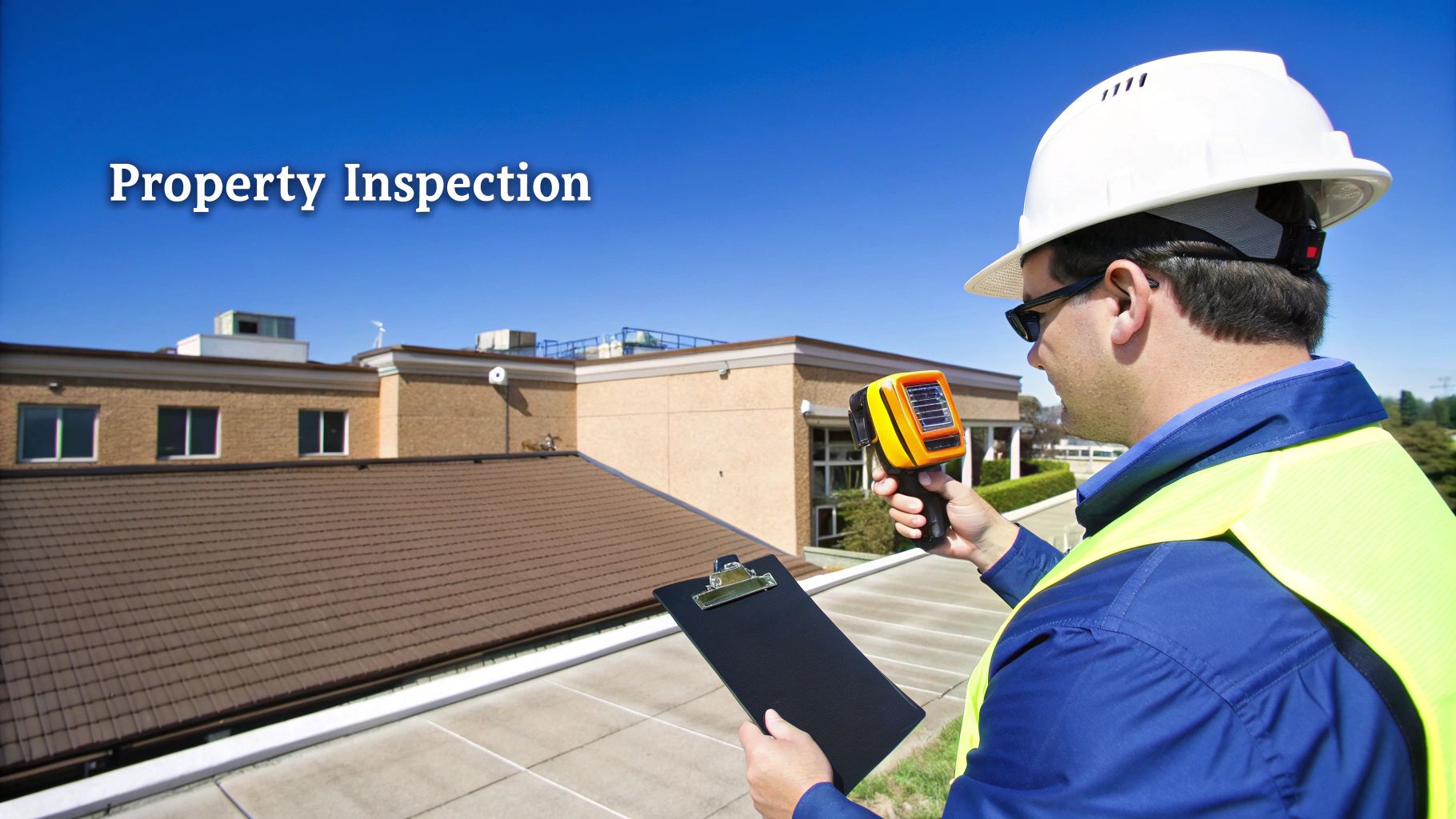
But here's a tip from the trenches: savvy investors know the PCA is often just the beginning. Depending on the building's age, use, and location, you'll need to call in a team of specialists to zero in on specific high-risk areas. Skipping this step is how you end up with catastrophic, budget-shattering surprises right after closing.
Specialized Inspections That Protect Your Investment
Think of these specialized inspections as putting the most expensive and troublesome parts of a commercial building under a microscope. They give you the granular detail you need to make a truly informed decision.
- Commercial Roof Inspection: Trust me, a failing roof is one of the most expensive problems you can inherit. A roof specialist will assess the membrane's condition, check for proper drainage, inspect every inch of flashing, and hunt for hidden leaks. Make sure to ask them for the roof's remaining useful life and a hard estimate for replacement costs.
- Thermal Imaging: This technology is a game-changer for spotting things the naked eye will always miss. Thermal cameras show temperature variations that can reveal hidden moisture from roof or plumbing leaks, gaps in insulation bleeding energy, and even overloaded electrical circuits on the verge of failure.
- Sewer Scope: For any property that isn't brand new, a sewer scope is essential. A camera is run down the main sewer line to find cracks, crushing, blockages, or tree root intrusion. A full sewer line replacement can easily run into the tens of thousands of dollars—a bill you want to know about before it's your problem.
- ADA Compliance Audit: Making sure a property meets the Americans with Disabilities Act (ADA) standards is a huge legal and financial issue. An expert will check everything from ramp slopes and accessible parking to restroom compliance and proper signage. Getting this wrong can lead to nasty lawsuits and mandatory, expensive retrofits.
These checks are absolutely critical. A solid commercial building inspection checklist can be your best friend here, helping you and your team track that every one of these vital areas gets a thorough look during your due diligence window.
I once saw an investor save over $200,000 on a warehouse purchase because a thermal imaging scan revealed extensive, hidden water damage inside a wall that the standard PCA missed. The seller had to provide a credit at closing to cover the entire remediation and repair cost.
This level of detailed inspection is what gives you real negotiating leverage. A seller can easily brush off a vague concern, but they can't argue with a contractor's quote for a specific, documented defect.
Specialized Inspections Cost and Timeline Estimates
To budget your time and money effectively, it helps to know what to expect from these specialists. While costs vary by market and property size, here's a general guide for some of the most common specialized inspections.
Specialized Inspections Cost and Timeline Estimates
| Inspection Type | Purpose | Estimated Cost Range | Typical Turnaround Time |
|---|---|---|---|
| Commercial Roof Assessment | Evaluates membrane, flashing, and drainage; estimates remaining life. | $750 – $2,500+ | 3-5 business days |
| Thermal Imaging Scan | Detects hidden moisture, insulation gaps, and electrical hot spots. | $500 – $1,500 | 2-4 business days |
| Sewer Scope Inspection | Identifies cracks, root intrusion, or blockages in the main sewer line. | $300 – $800 | 1-2 business days |
| ADA Compliance Audit | Verifies accessibility for parking, entrances, restrooms, and pathways. | $1,000 – $3,000 | 5-7 business days |
Remember, these inspections are an investment in risk reduction. The cost is tiny compared to the potential financial hit of uncovering a major problem after the deal is done.
Probing Deeper With Environmental Testing
Beyond the structure itself, you have to consider the land it sits on. Environmental issues are often the ultimate deal-killers because of the immense cleanup costs and legal liability involved.
The standard first step is a Phase I Environmental Site Assessment (ESA). This is an investigative process, not a physical test. An environmental professional will review historical records, interview past owners, and inspect the site to see if past activities—like a former gas station or dry cleaner on or near the property—could have contaminated the soil or groundwater.
If that Phase I ESA turns up any red flags, a Phase II ESA is the next step. This is where things get physical. Soil and water samples are collected and sent to a lab for testing to confirm if contamination is present and how bad it is. From there, even more specialized tests might be needed.
- Radon Testing: This is a naturally occurring radioactive gas that can seep into buildings and become a serious health risk. Testing is a must in certain parts of the country and for any property with a lot of below-grade space.
- Mold and Air Quality Testing: If you see any signs of water damage or hear about tenant complaints, it's wise to test for mold and check the indoor air quality. Finding hidden fungal growth or other airborne contaminants can lead to expensive remediation and create major liability issues.
Ultimately, the entire physical inspection phase is about one thing: quantifying risk. Every single issue you uncover, from a leaky faucet to a contaminated well, has a price tag attached. Your job is to find them, price them out, and use that hard data to make sure the final deal is a true reflection of the property's actual condition.
Assembling Your Professional Due Diligence Team
Let’s get one thing straight: successful due diligence in commercial real estate is a team sport, not a solo mission. Trying to be an expert in everything from environmental regulations to structural engineering is a surefire way to miss something big—and expensive.
Smart investors know their limits. Assembling a specialized, professional team isn't just a good idea; it's one of the most critical investments you'll make in the entire deal. This crew is your trusted set of eyes and ears, with each person bringing a unique skill set to the table to uncover risks you’d almost certainly miss on your own.

Core Members of Your Due Diligence Roster
While your full team might change depending on the property, a few key players are almost always non-negotiable. Think of these pros as your starting lineup for any serious commercial acquisition.
Commercial Real Estate Attorney: This is your legal quarterback, and their role goes way beyond a simple title search. They'll dissect leases, flag unfavorable clauses in service contracts, verify zoning compliance, and ensure every legal document is airtight. A sharp attorney can spot title issues or land-use restrictions that could completely derail your investment plan.
Commercial Property Inspector: This is the pro who leads the physical deep dive. They conduct the initial Property Condition Assessment (PCA), evaluating the building's major systems—roof, HVAC, electrical, plumbing, and structure. Their report becomes the roadmap for identifying immediate repairs and forecasting future capital expenditures.
Environmental Consultant: Don't skip this expert. Their job is to manage your environmental liability by performing a Phase I Environmental Site Assessment (ESA). They'll hunt for potential contamination from past or current uses of the property and its neighbors. If they find any red flags, they'll tell you exactly what needs further testing.
Never underestimate the value of a great attorney. I’ve seen a deal saved because an attorney found a hidden clause in a city ordinance that would have prevented the buyer's planned expansion. That discovery allowed them to renegotiate the purchase price by six figures.
Calling In Specialized Reinforcements
Beyond the core team, complex properties often demand specialists to investigate specific, high-risk areas. Knowing when to bring in these experts is the mark of a seasoned investor.
You might need to engage a structural engineer if the initial inspection raises any alarms about the building’s foundation or load-bearing elements. Likewise, a dedicated roofing consultant can give you a much more detailed analysis of a roof's condition and remaining life than a general inspector ever could.
And for properties with complicated financials? A Certified Public Accountant (CPA) can be invaluable for auditing the seller’s books and verifying their operating expense claims.
Managing this team effectively comes down to clear communication from day one. Give each expert a detailed scope of work, outlining exactly what you need them to investigate. Hold a kickoff meeting to get everyone aligned on the timeline. The goal is to ensure their individual reports fit together into one cohesive, comprehensive analysis that protects your capital from nasty surprises down the road.
Turning Your Findings into Negotiation Power
Discovering problems during due diligence isn't a sign of failure—it's the entire point. What really matters is what you do with that information. The mountain of data you've gathered from inspections, document reviews, and financial audits is your single most powerful tool when you head back to the negotiation table. It lets you turn subjective feelings into objective, data-driven requests.
The first move is to categorize everything you've found. Let's be honest, not all problems carry the same weight. You need to separate your findings into distinct buckets to create a clear plan of attack.
- Minor Fixes: These are the small, inexpensive items—a busted light fixture, a leaky faucet. You might not even bring these up, as they’re often considered normal wear and tear in a commercial asset.
- Significant Repairs: This bucket holds the costly but manageable issues, like an HVAC unit on its last legs or a parking lot that needs a complete repaving. These are your prime negotiation points.
- Deal-Breakers: Here lie the catastrophic discoveries. We're talking major structural flaws, undisclosed environmental contamination, or a gnarly title defect that completely unravels your investment thesis.
Quantifying Problems for Maximum Leverage
Once you've sorted your findings, you absolutely have to put a dollar amount on every significant issue. A vague complaint about an "old roof" is easy for a seller to brush off. What’s impossible to ignore? A detailed report from a roofing consultant, complete with three contractor bids to replace it for $85,000.
See the difference? That hard data is your leverage. For every major problem you uncover, get quotes from qualified, independent contractors. This step is non-negotiable. It quantifies the financial hit and gives you the concrete evidence needed to back up your requests.
Don’t just show up with a list of problems; present them with solutions that have price tags. This instantly shifts the conversation from arguing about if a problem exists to discussing how to solve it financially. Your goal is a fair adjustment, not a fight.
With this documented evidence in hand, you can approach the seller with specific, actionable requests. Your main options are typically a price reduction, a seller credit at closing, or having the seller handle the repairs before you close. A seller credit is often the cleanest path forward, as it puts you in control of the timeline and quality of the work.
This is especially true in the current climate. For example, office vacancy rates are projected to climb to 18.9% by the end of 2025, a higher forecast driven by economic uncertainty. This kind of market softness can give a well-prepared buyer extra leverage, making a data-backed negotiation strategy even more potent. You can dig deeper into this trend in the 2025 real estate market outlook from CBRE.
Common Questions About Commercial Due Diligence
When you're diving into a commercial real estate deal, the due diligence phase can feel like a maze of legal documents, financial statements, and property inspections. It’s only natural to have a few questions. Getting straight answers is the key to making a smart investment and avoiding the kind of expensive surprises that can derail a transaction.
We get asked these all the time, so let's clear up some of the most common points of confusion around timelines, red flags, and who pays for what.
How Long Is a Typical Due Diligence Period?
There's no single magic number, but a standard due diligence period for a commercial property usually lands somewhere between 30 and 90 days. The real timeline hinges on the complexity of the deal.
For a straightforward, single-tenant net lease property, a 30-day window might be all you need. But if you're looking at a sprawling multi-tenant retail center with a dozen different leases and a web of service contracts, you'll want to push for 90 days or even more. That extra time is critical for doing a proper deep dive into the financials, abstracting every lease, and completing all your physical inspections without rushing.
What Is the Most Common Red Flag to Watch For?
One of the biggest red flags we see is a major disconnect between the seller's rosy financial projections and the property's actual, historical performance. This usually shows up as inflated income numbers or expenses that seem way too low.
For instance, the marketing package might show a key tenant as being perfectly current on rent, but when you get your hands on the bank statements, you discover they’ve been paying late for months. Finding these gaps is everything. They directly impact the property's real Net Operating Income (NOI), which in turn determines its true value.
A property's financial story has to be consistent. When the slick numbers in the marketing brochure don't match the raw data in the P&L statements and rent rolls, that's your cue to start digging a whole lot deeper.
Who Is Responsible for Paying Due Diligence Costs?
This one is simple: the buyer foots the bill for all costs related to their own due diligence. Think of it as your investment in making a sound decision.
These out-of-pocket expenses typically cover fees for:
- Your attorney to review contracts and leases.
- Third-party reports, like the Property Condition Assessment (PCA).
- Specialized environmental testing, such as a Phase I ESA.
- The appraisal and any land surveys.
It’s crucial to budget for these costs upfront. They are almost always non-refundable, even if your investigation uncovers a deal-breaker and you decide to walk away.
When you're ready to get a clear, unbiased look at your next commercial or residential investment in the Memphis area, Upchurch Inspection is here to help. Our certified inspectors provide the detailed insights you need to move forward with confidence. Schedule your comprehensive property inspection today.