
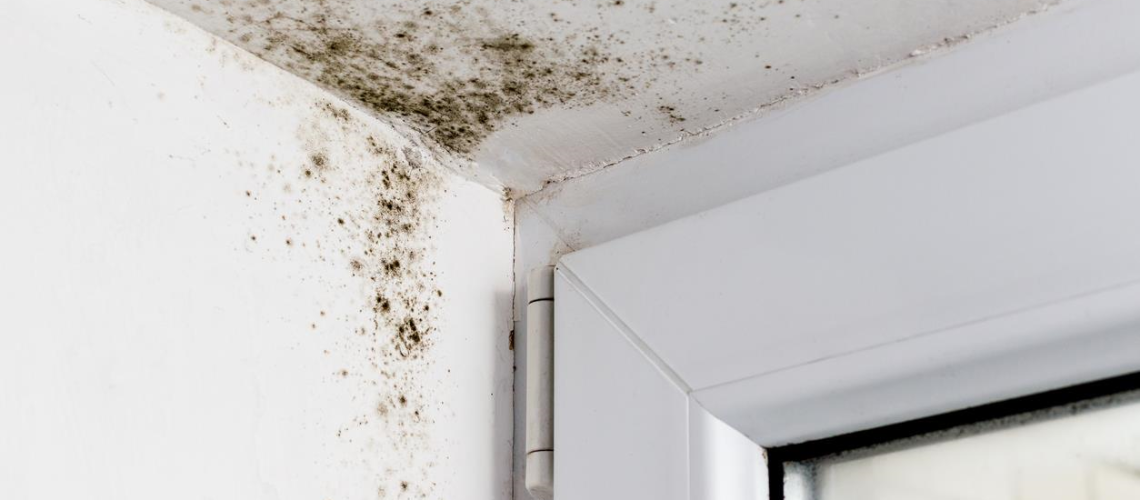
DIY mold test kits are widely available and often marketed as a quick way to determine whether a home has a mold problem. While these kits may seem convenient, they frequently create more confusion than clarity for homeowners.
Understanding the limitations of DIY mold testing helps explain why results can be misleading without professional context.
Mold Is Everywhere — Including in Test Results
Mold spores are naturally present in both indoor and outdoor environments. Because of this, most DIY mold tests will detect something, even in homes without moisture problems or active mold growth.
A positive result does not necessarily mean:
- There is a mold problem in the home
- The mold detected is growing indoors
- The mold levels are elevated compared to outdoor air
Without comparison samples or proper controls, results lack meaningful context.
Lack of Environmental Comparison
Professional mold testing often includes:
- Indoor air samples
- Outdoor air samples
- Controlled sampling volumes and durations
DIY kits typically lack this comparative framework. Without knowing what is present outdoors at the time of sampling, it is difficult to determine whether indoor results are abnormal.
Sampling Errors Are Common
Accurate mold sampling requires proper technique and timing. DIY kits are prone to errors such as:
- Improper placement of sampling devices
- Inconsistent exposure times
- Contamination during handling
- Testing during conditions that skew results
These variables can significantly affect outcomes and interpretation.
Lab Results Without Interpretation
Even when samples are analyzed by a laboratory, results alone do not explain:
- Whether mold is actively growing indoors
- Where mold may be originating
- Whether moisture issues are present
- What corrective action, if any, is needed
Raw lab data without professional interpretation often raises unnecessary concern.
Mold Testing Does Not Identify the Cause
DIY mold kits focus on detection, not diagnosis. They do not:
- Identify moisture sources
- Evaluate building conditions
- Assess ventilation or drainage issues
- Determine how or why mold may be present
Without addressing the underlying cause, test results offer limited value.
When Mold Testing Actually Helps
Mold testing is most useful when:
- Paired with a professional inspection
- Used to document conditions during a transaction
- Required for post-remediation verification
- Interpreted alongside moisture findings
Testing alone should not be the first or only step.
A Better Starting Point
For homeowners concerned about mold, a visual inspection focused on moisture conditions often provides clearer guidance than a DIY test kit.
An inspection can help determine:
- Whether conditions support mold growth
- If testing is warranted
- What steps should be taken next
This approach reduces guesswork and avoids unnecessary alarm.
Final Thoughts
DIY mold test kits can detect mold spores, but detection alone does not equal a problem. Without proper context, comparison, and interpretation, results often lead to confusion rather than solutions.
A professional, moisture-focused evaluation provides more reliable insight and helps homeowners make informed decisions based on evidence, not uncertainty.