
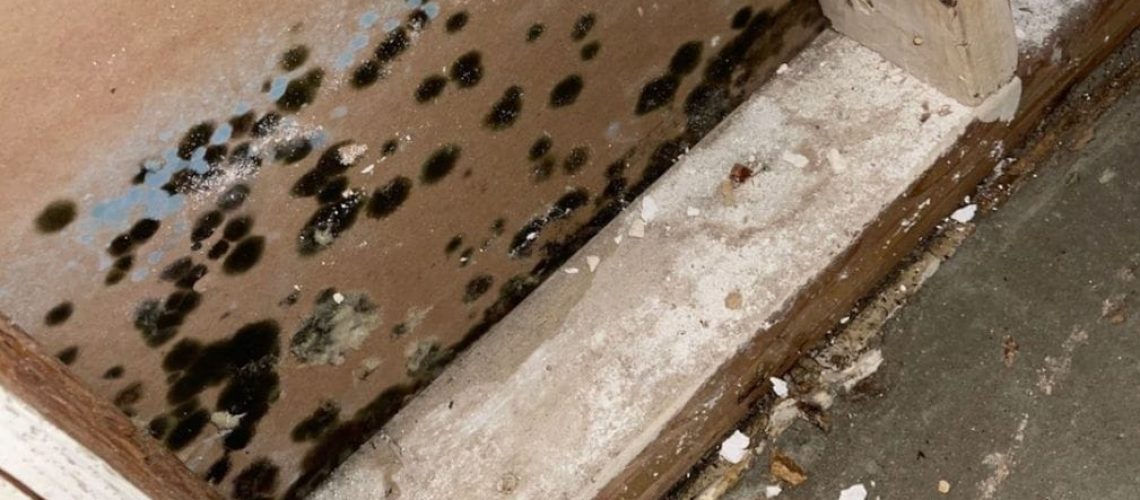
Mold does not appear randomly. In nearly every case, mold growth is the result of uncontrolled moisture inside a home. Understanding how moisture enters a building—and how it becomes trapped—helps homeowners prevent mold issues before they become widespread or costly.
Why Moisture Is the Root Cause of Mold
Mold spores are naturally present in both indoor and outdoor air. What allows mold to grow indoors is excess moisture combined with organic building materials such as wood, drywall, and insulation.
For mold to grow, three conditions must exist:
- Moisture
- A food source (most building materials qualify)
- Limited air movement
Remove moisture, and mold growth typically stops.
Common Sources of Moisture in Homes
Moisture problems often develop slowly and go unnoticed. Common sources include:
- Roof leaks and flashing failures
- Plumbing leaks inside walls or under fixtures
- Condensation from HVAC systems or ductwork
- Poor ventilation in bathrooms, kitchens, and laundry areas
- Ground moisture entering crawlspaces or basements
- Improper drainage around the foundation
Even minor or intermittent moisture can support mold growth over time.
Hidden Moisture Is the Biggest Risk
Some of the most significant mold issues occur out of sight, where moisture can persist undetected.
Hidden moisture commonly develops:
- Behind walls with slow plumbing leaks
- Under flooring materials
- Inside attics with poor ventilation
- In crawlspaces with exposed soil or inadequate vapor barriers
- Around windows and exterior wall penetrations
Because these areas are rarely visible, mold may be well-established before symptoms appear.
Condensation and Humidity Problems
Not all moisture problems involve active leaks. Condensation is a frequent contributor to mold growth, especially in humid climates.
Contributing factors include:
- High indoor humidity
- Cold surfaces that collect moisture
- Inadequate insulation
- Improper air sealing
- Poor airflow
Bathrooms, basements, and closets are common problem areas when humidity is not properly controlled.
How Inspectors Evaluate Moisture Conditions
During an inspection, moisture-related concerns are evaluated through:
- Visual observation of staining and deterioration
- Identification of known moisture-prone areas
- Assessment of ventilation and drainage conditions
- Use of moisture meters or thermal imaging when appropriate
Inspectors focus on identifying conditions that promote moisture, not diagnosing mold species or health effects.
Why Fixing Moisture Matters More Than Testing
Addressing moisture sources is more important than identifying mold types. Without moisture control:
- Mold is likely to return even after remediation
- Repairs may fail prematurely
- Structural materials may deteriorate
- Indoor air quality concerns may persist
Correcting the underlying moisture problem is the most effective long-term solution.
Preventing Moisture-Related Mold Growth
Homeowners can reduce mold risk by:
- Repairing leaks promptly
- Improving drainage and grading around the home
- Using exhaust fans in moisture-producing areas
- Maintaining HVAC systems
- Controlling indoor humidity levels
- Keeping crawlspaces and attics properly ventilated
Preventive maintenance is far less disruptive than mold remediation.
Final Thoughts
Mold growth is rarely the primary problem—it is a symptom of moisture issues within the home. Identifying and correcting moisture sources early helps protect building materials, indoor air quality, and long-term property value.
Understanding the connection between moisture and mold allows homeowners to take proactive steps before minor issues turn into major repairs.