A property inspector’s primary job for a property manager is straightforward: document the physical condition of a building, identify safety and maintenance issues, and deliver timestamped, evidence-backed findings you can act on. That documentation is what separates defensible property management from guesswork.
The highest-value outputs inspectors deliver to managers include:
- Timestamped, annotated photos that establish condition at a specific point in time
- Prioritized repair findings organized by urgency (immediate safety, short-term maintenance, long-term capital)
- Scope-of-work language vendors can use directly for bids
- Limitation statements that define what was and wasn’t accessible, protecting both the inspector and the manager
- Standardized condition ratings that enable portfolio-level CapEx comparisons across multiple properties
Two credibility anchors run through every section below: Upchurch Inspection, a Mid-South firm whose qualifications exceed state minimums, and the Certified Commercial Property Inspectors Association (CCPIA) with its governing standard, COMSOP. Both set the bar for what a professional inspection looks like.
Key Takeaways
Property inspectors give property managers the documented, third-party condition evidence needed to plan maintenance, defend decisions, and protect asset value across a portfolio.
| Point | Details |
|---|---|
| Match inspection type to purpose | Move-in/out, PCA, specialty scope, and lender inspections each serve a distinct management need. |
| Read limitation statements | Areas not inspected are not cleared — schedule follow-up access rather than assuming. |
| Convert findings to work orders | Use the priority matrix: safety same day, repairs within 90 days, monitoring items logged for next cycle. |
| Preserve the evidence chain | Store reports by address and date; attach relevant pages to every vendor work order and dispute response. |
| Upchurch Inspection for Mid-South portfolios | Delivers COMSOP-aligned commercial PCAs, multi-unit inspections, and thermal imaging across five states. |
Table of Contents
- How inspectors define the role of property management oversight
- When to use each inspection type for your portfolio
- What the inspection process looks like from scheduling to report delivery
- How managers convert inspection findings into operational decisions
- How to read an inspection report section by section
- What to look for when you hire a property inspector
- Recommended inspection frequency and a quick operational checklist
- How Upchurch Inspection works with property managers in the Mid-South
- What property managers actually get wrong about inspection reports
- Upchurch Inspection serves property managers across the Mid-South
- Sources
How inspectors define the role of property management oversight
Construction and building inspectors examine structural components, plumbing, electrical systems, HVAC, and life-safety equipment. In a property management context, that scope expands to include common areas, exterior envelope, roofing, foundation, and any shared mechanical systems. The inspector’s job is observation, documentation, and professional opinion — not repair, not code enforcement, and not a guarantee of future performance.
Core systems inspectors examine
- Structural framing, foundation, and load-bearing elements
- Roof covering, drainage, flashing, and penetrations
- Exterior cladding, windows, doors, and grading
- Plumbing supply, drain, waste, and vent systems
- Electrical panels, branch circuits, outlets, and grounding
- HVAC equipment, ductwork, and controls
- Life-safety systems: smoke detectors, CO alarms, egress paths, fire suppression where present
- Common areas, parking structures, and accessible routes in multi-unit or commercial properties
What inspectors typically don’t cover
Standard inspections are visual and non-destructive. Inspectors won’t open walls, lift flooring, or test systems under conditions that could cause damage. Areas behind finished surfaces, tenant-occupied spaces with restricted access, and systems requiring specialized licensing (elevators, fire suppression) fall outside a general scope. Every professional report includes a limitation statement that spells this out — read it before you assume something was checked.
Pro Tip: Before scheduling, notify tenants in writing, confirm a knowledgeable on-site contact will be present, and unlock mechanical rooms, attic hatches, and crawl space access points. An inspector who can’t access a panel or a crawl space will note it as a limitation — and that gap in the report is on you, not them.
When to use each inspection type for your portfolio
Not every inspection serves the same purpose. Matching the inspection type to the situation is how you get useful data instead of a generic checklist.
- Residential move-in/move-out: Documents condition at tenancy start and end. These reports are the primary evidence in security deposit disputes and wear-and-tear determinations. Ingoing and outgoing reports carry real legal and financial weight — a handwritten landlord note does not.
- Multi-unit/apartment building: Covers common areas, shared systems, and a representative sample of units. See the apartment building inspection guide for unit-selection methodology.
- Commercial property condition assessment (PCA): A structured evaluation aligned with COMSOP, combining visual observation, document review, and research. The report is the inspector’s professional opinion within stated scope limits.
- Lender/servicer inspections: Required by many loan agreements. Standardized reporting formats allow servicers to compare properties across a portfolio and flag watch-list assets. The MBA/CMF Property Inspection Reference Guide outlines how these reports inform servicing decisions and proactive asset management.
- Specialty scopes: Thermal imaging, mold testing, sewer scope, and roof-only inspections add depth when a general inspection flags a concern or when due diligence requires it. A single missed sign of water intrusion can cascade into thousands of dollars in mold remediation; infrared imaging often catches early indicators that a visual check misses.
Commercial inspections are largely observational and opinion-based within agreed scope limits. When findings suggest deeper technical risk — a failing retaining wall, suspected structural movement, or active mold — engage a specialty consultant rather than relying on the general inspector’s opinion alone.
What the inspection process looks like from scheduling to report delivery
Understanding the operational timeline helps you plan around inspections rather than scrambling when the inspector arrives.
Typical inspection day, step by step:
- Pre-inspection document review: The inspector reviews available records — prior reports, maintenance logs, permit history — before arriving on site.
- Walk-through and observation: Systematic room-by-room and system-by-system review, starting at the exterior and working inward.
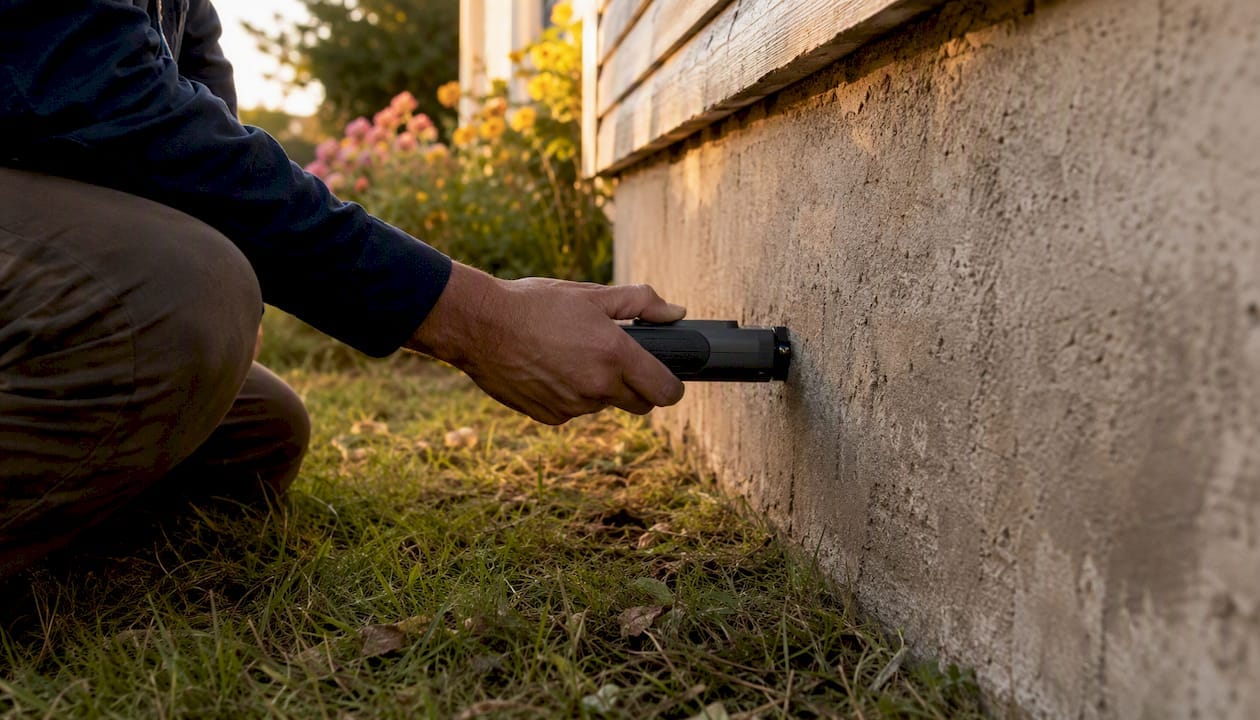
- Testing and tool use: Moisture meters at suspect areas, thermal imaging where included, electrical testers at panels and outlets, HVAC operation checks.
- Photo documentation: Timestamped photos at every finding, plus establishing shots for each major system and area.
- On-site interviews: Brief conversation with the on-site contact about known issues, recent repairs, and access history.
- Report drafting and delivery: Most residential reports deliver within 24 hours. Commercial PCAs typically take 3–5 business days depending on scope and property size.
What the tools actually reveal
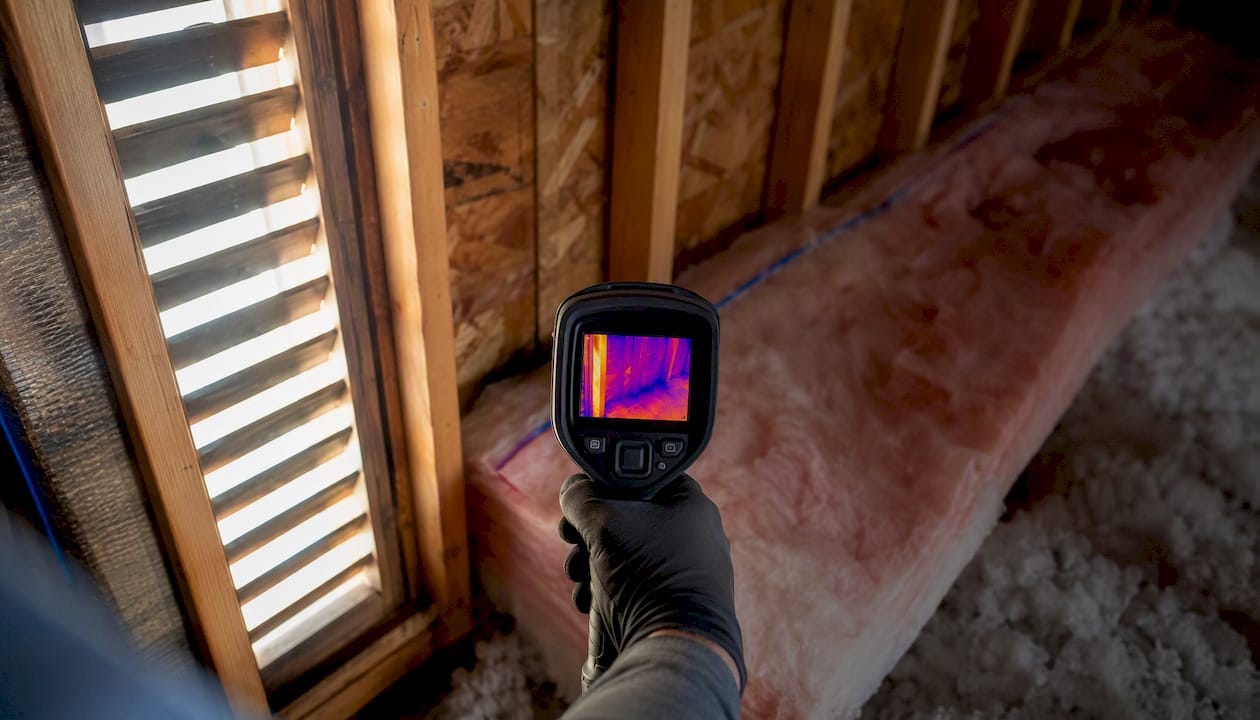
Moisture meters identify elevated readings behind tile, under flooring, and at wall bases — conditions that look dry to the eye. Thermal imaging can reveal missing insulation, active moisture migration, and overloaded electrical circuits. Neither tool is infallible, and both require an experienced operator to interpret correctly. A reading is a data point, not a diagnosis.
For portfolios, stage inspections across a rolling schedule rather than inspecting every property at once. A structured inspection workflow lets you build longitudinal condition records that make CapEx forecasting far more reliable than a single snapshot.
How managers convert inspection findings into operational decisions
The inspection report is only useful if you do something with it. Here is how experienced managers put findings to work:
- Maintenance triage: Immediate safety findings go to vendors the same day. Short-term maintenance items get scheduled within 30–90 days. Monitoring items get logged for the next inspection cycle.
- CapEx forecasting: Condition ratings and estimated service-life data feed reserve studies and annual capital budgets. Routine inspections reduce emergency repair spending by catching deterioration before it leads to failure.
- Vendor scoping: Report language describing the condition and location of a defect gives contractors enough detail to bid accurately. Vague verbal descriptions produce wide bid ranges.
- Lease enforcement: Documented conditions at move-in and move-out support enforcement of tenant obligations and reduce disputes.
- Insurance and lender reporting: Third-party documentation, including calibrated testing and timestamped photos, improves legal defensibility and supports capital planning conversations with lenders and insurers.
- Owner and investor reporting: Reports demonstrate accountability. Showing an owner a prioritized list of findings with photos is more credible than a verbal summary. For maintenance records and property management, a consistent documentation trail matters as much as the inspection itself.
Pro Tip: Preserve your chain of evidence. Store reports in a named folder by property address and date, never overwrite prior reports, and attach the relevant report pages when you submit a vendor work order or respond to a tenant dispute. A tribunal or lender will want the original timestamped document, not a summary.
How to read an inspection report section by section
Most professional reports follow a consistent structure. Knowing what each section does lets you triage faster.
- Executive summary: Flags the highest-priority findings. Read this first, but don’t stop here — summary items are selected by the inspector and may not capture every significant finding in the body.
- Findings with condition ratings: The core of the report. Each finding includes a location, description, condition rating, and recommended action. Ratings typically follow a scale: Safety Hazard, Repair Recommended, Monitor, Informational.
- Photos with timestamps: Annotated photos tied to specific findings. These are your evidence in any dispute or vendor conversation.
- Limitation statements: What was not inspected and why. Read these carefully before assuming a system was cleared.
- Recommended actions: Scope-of-work language the inspector suggests. This is a starting point for vendor bids, not a final specification.
Priority matrix for converting findings to work orders
| Priority Level | Condition Rating | Typical Timeline | Action |
|---|---|---|---|
| 1 — Safety | Safety Hazard | Immediate | Stop use, notify tenants, engage licensed contractor same day |
| 2 — Repair | Repair Recommended | 30–90 days | Schedule vendor, obtain bids, track to completion |
| 3 — Monitor | Monitor | Next inspection cycle | Log in maintenance system, re-inspect at next scheduled visit |
| 4 — CapEx | Replace/End of Life | Budget cycle | Add to reserve study and annual capital plan |
For a deeper walkthrough of report interpretation, the how to read inspection reports guide covers condition ratings and how to translate findings into budget entries.
What to look for when you hire a property inspector
Credentials vary more than most managers realize. Licensing requirements differ by state and locality, and some states have no mandatory licensing at all. That makes your vetting process the primary quality control.
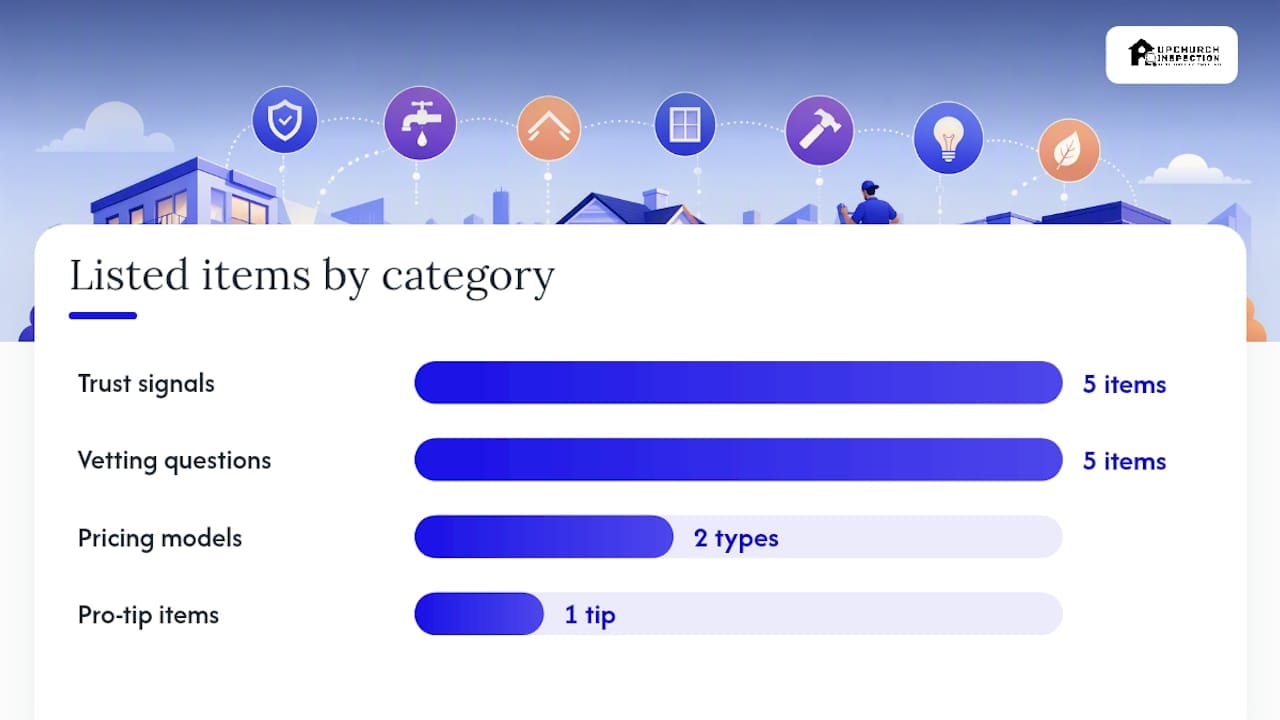
Minimum trust signals to verify:
- State license (where required) and proof of errors-and-omissions insurance
- Familiarity with COMSOP for commercial scopes
- Continuing education documentation — inspectors who stop learning fall behind on code changes and building technology
- Sample report from a comparable property type (residential vs. commercial, single-unit vs. multi-unit)
- Specialty equipment on hand (moisture meter, thermal camera) and demonstrated competency in using it
Vetting questions to ask before booking:
- What standards of practice do you follow for this property type?
- Can you provide a sample report from a similar property?
- What is your turnaround time, and what does the report include?
- Do you carry E&O insurance, and what is the coverage limit?
- When do you recommend engaging a specialty consultant rather than relying on your general findings?
Pricing models vary: flat-fee per inspection is most common for residential, while commercial scopes often price by square footage or complexity. When a general inspection surfaces a concern that warrants deeper analysis — structural movement, active moisture, suspected mold — budget for a specialty consultant rather than assuming the general report is sufficient.
Pro Tip: Ask for a scope-of-work agreement in writing before the inspection date. It should define what systems will be inspected, what tools will be used, what the report will include, and what the stated limitations are. An inspector who won’t provide this in writing is telling you something.
Recommended inspection frequency and a quick operational checklist
There is no universal cadence that fits every portfolio, but the following schedule reflects standard practice for most residential and commercial management programs:
- Move-in/move-out: Every tenancy change, without exception
- Mid-lease site visit: Annually for residential; semi-annually for commercial or high-traffic properties
- Preventative maintenance inspection: Every 2–3 years for stable assets; annually for older buildings or those with known deferred maintenance
- Lender/servicer inspection: Per loan agreement, typically annually or upon triggering events (casualty, default, significant repair)
- Pre-listing or pre-sale: Before any disposition to establish current condition and avoid transaction surprises
4-point operational checklist for quick triage
Use this at any site visit or between full inspections:
- Safety: Test smoke and CO detectors, check egress paths, confirm no exposed wiring or trip hazards
- Moisture: Look for staining at ceilings, walls, and under sinks; check HVAC condensate lines; note any musty odors
- Systems: Confirm HVAC is operating, water heater is functional, electrical panel shows no visible issues
- Tenant compliance: Check for unauthorized alterations, evidence of unreported damage, and lease-required maintenance obligations
For multi-unit properties, inspect a representative sample of units at each cycle rather than every unit every time. Rotate the sample so that every unit gets a full inspection over a 2–3 year window. Scheduling logistics matter too: request at least two weeks’ notice for commercial inspections whenever possible, and confirm the on-site contact has enough tenure to answer questions about system history accurately.
How Upchurch Inspection works with property managers in the Mid-South
We inspect residential and commercial properties across Tennessee, Arkansas, Mississippi, Missouri, and Kentucky. For property managers, that means we understand the building stock, the climate conditions, and the deferred maintenance patterns common to this region — aging HVAC systems in Memphis-area multi-family buildings, moisture intrusion in older masonry construction, and foundation movement in expansive clay soils.
Our workflow for property managers follows a consistent process: pre-inspection document review when records are available, a systematic on-site walk-through, calibrated moisture and thermal testing where the scope includes it, timestamped photos at every finding, and a prioritized report delivered within 24 hours for residential and 3–5 business days for commercial scopes. Reports include an executive summary, condition-rated findings, annotated photos, limitation statements, and scope-of-work language vendors can use directly.
Services relevant to property managers include:
- Commercial property condition assessments (PCAs): Aligned with COMSOP, suitable for acquisition due diligence, lender requirements, and asset management reviews
- Multi-unit and apartment building inspections: Common-area and unit-level evaluations with representative sampling methodology
- Thermal imaging: Included or available as an add-on; particularly useful for moisture detection and electrical load concerns
- Sewer scope inspections: Recommended for older properties or any building with a history of drain issues
- Mold testing: When visual evidence or moisture readings suggest elevated risk
Pro Tip: If you manage a portfolio of five or more properties, ask about scheduling a phased inspection program. Inspecting properties on a rolling annual cycle builds the longitudinal condition records that make CapEx forecasting and owner reporting significantly more credible than one-off inspections.
What property managers actually get wrong about inspection reports
Most managers read the executive summary and file the report. That is the single most common mistake we see, and it costs money.
The summary captures what the inspector flagged as highest priority, but it does not always include monitoring items or limitation statements that deserve attention. A “monitor” finding on a roof penetration or a crawl space moisture reading is not a clearance — it is a scheduled follow-up that too often never happens. When that item resurfaces two years later as a structural repair or a mold remediation, the manager who ignored the monitoring note has no documentation showing they acted responsibly.
The other consistent failure is treating limitation statements as boilerplate. When an inspector notes that the attic was inaccessible or that a finished basement prevented observation of the foundation wall, that is a real gap in the condition record. The right response is to schedule access for a follow-up, not to assume the area is fine. A report that says “not inspected” is not a clean bill of health.
Where inspections deliver the most value per dollar spent is in moisture detection and HVAC condition assessment. Water intrusion caught early costs hundreds to address. Caught late, after it has migrated behind walls or into framing, it costs tens of thousands. HVAC systems in multi-unit buildings have a domino effect when they fail: one unit’s system going down in July creates emergency calls, tenant complaints, and potential habitability issues across the building. An inspection that flags an aging condenser or a failing heat exchanger gives you a budget cycle to plan the replacement rather than a crisis to manage.
Upchurch Inspection serves property managers across the Mid-South
Property managers who need credible, field-tested inspection reports for residential portfolios, commercial assets, or multi-unit buildings have a direct option in the Mid-South. Upchurch Inspection delivers regular inspection programs built around the documentation standards property managers actually need: timestamped photos, prioritized findings, limitation statements, and scope-of-work language that goes straight to vendors.
For commercial assets, our commercial inspection services cover PCAs, roof inspections, thermal imaging, and specialty testing across Tennessee, Arkansas, Mississippi, Missouri, and Kentucky. For managers of apartment portfolios, the apartment building inspection guide outlines what a multi-unit inspection covers and how to use findings for CapEx planning and owner reporting.
Schedule an inspection or request a sample report by contacting Upchurch Inspection directly through the website. Bring a specific property or portfolio question and we will tell you which inspection type fits the situation.
Sources
The following sources informed this article and are worth bookmarking when writing inspection scopes of work, explaining findings to owners, or responding to lender requests: