If your crawlspace in West Tennessee still relies on passive vents, it’s already losing.
I don’t care how new the house is. I don’t care what the builder said. And I definitely don’t care that “it’s how they’ve always done it.” In the Delta climate—from Memphis to Jackson—passive crawlspace vents don’t dry crawlspaces. They feed them.
This isn’t opinion. It’s physics. And crawlspaces that ignore it turn into mold farms, rot factories, and comfort killers.
Let’s Kill the Vent Myth First
passive crawlspace vents were designed for climates that actually cool off and dry out at night.
West Tennessee does neither.
Here’s what actually happens:
- Hot, humid summer air enters through vents
- That air hits cooler surfaces under the house
- Moisture condenses
- Wood stays damp
- Mold gets comfortable
You didn’t ventilate the crawlspace.
You humidified it.
This Is a Psychrometrics Problem (Not a Preference)
Psychrometrics is just a fancy word for how air, temperature, and moisture behave together.
Here’s the short, ugly version:
- Warm air holds more moisture
- When that air cools, moisture has to go somewhere
- In crawlspaces, that “somewhere” is your framing
In the Delta, outside air almost always has higher moisture content than crawlspace air. Opening vents introduces moisture, not relief.
Why Crawlspaces From Memphis to Jackson Are Always Wet
Across West Tennessee, crawlspaces share a few traits:
- High groundwater influence
- Heavy rainfall
- Warm soil temperatures
- Long humid seasons
That means moisture is constantly trying to move upward. Vents don’t stop that. They invite outside humidity to join the party.
Mold Doesn’t Need a Flood — Just Consistency
People think mold requires leaks. It doesn’t.
Mold needs:
- Moisture
- Organic material
- Time
Crawlspaces provide all three effortlessly.
I’ve inspected crawlspaces that never flooded, never leaked, and still had:
- Mold on joists
- Fungal growth on subfloor
- Rusted fasteners
- Swollen insulation
That’s sustained humidity doing its thing.
Passive Vents Fail in Summer AND Winter
Summer:
- Hot, humid air enters
- Condensation forms
- Moisture load increases
Winter:
- Cold air enters
- Pipes freeze
- Floors get cold
- Condensation still happens during warm spells
There is no season where vents win here.
What “Active Control” Actually Means
Active control isn’t complicated—but it does require intention.
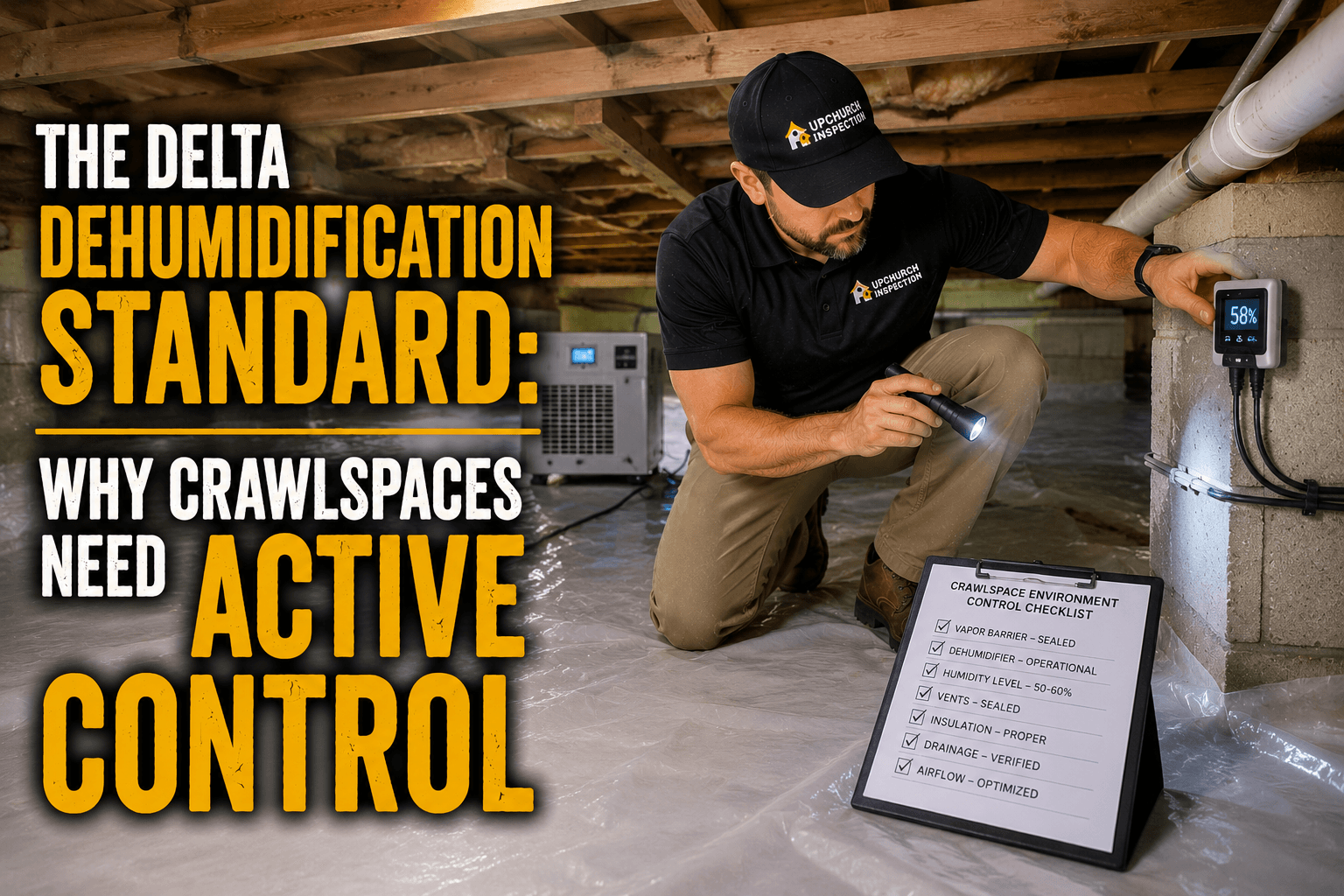
A properly controlled crawlspace includes:
- Ground vapor barrier (and not the flimsy junk)
- Sealed perimeter
- Closed vents
- Dedicated crawlspace dehumidifier
- Proper drainage management
At that point, the crawlspace behaves like part of the house—not a damp cave under it.
Why Dehumidifiers Beat Vents Every Time
A crawlspace dehumidifier:
- Removes moisture instead of redistributing it
- Maintains consistent humidity
- Reduces mold risk
- Protects framing
- Improves indoor air quality
- Makes floors more comfortable
It also costs way less than structural repairs caused by ignoring moisture.
“But the House Has Never Had a Problem”
I hear this constantly.
Usually from:
- Second owners
- Homes less than 20 years old
- People who haven’t crawled under their house lately
Moisture damage is slow. By the time people notice, it’s not new—it’s just finally visible.
Energy Bills Don’t Lie
Here’s a fun side effect people don’t expect:
Wet crawlspaces make HVAC systems work harder.
Why?
- Moist air infiltrates upward
- HVAC has to remove extra humidity
- Comfort never quite stabilizes
Dry the crawlspace, and the whole house behaves better. I’ve seen it over and over.
What I Look For During Crawlspace Inspections
When I’m under a house in West Tennessee, I’m checking:
- Relative humidity
- Evidence of condensation
- Condition of insulation
- Mold or fungal growth
- Rusted fasteners
- Standing or seasonal moisture
- Whether vents are open and doing damage
I’m not asking “Is it vented?”
I’m asking “Is it controlled?”
Builders Know This — They Just Don’t Like Explaining It
Builders still use vents because:
- They’re cheap
- They’re code-minimum
- They shift responsibility
But minimum code isn’t optimized for Delta humidity. It’s optimized for checking a box.
Homeowners pay the price later.
This Is the Delta Standard Whether People Admit It or Not
Across West Tennessee, the crawlspaces that perform best all have one thing in common:
Active moisture control.
Not hope.
Not vents.
Not crossed fingers.
Control.
Final Thoughts
If your crawlspace relies on passive vents in West Tennessee, it’s losing the moisture battle every summer.
From Memphis to Jackson, humidity wins unless it’s actively removed. Crawlspaces don’t need fresh air. They need dry air.
Ignore that, and the house will remind you—slowly, quietly, and expensively.
Protecting your West Tennessee investment starts with a forensic eye. View our West Tennessee Service Area to see a full list of towns we serve.