
TL;DR:
- A property inspection report details a home’s major systems and components, helping buyers and sellers assess condition accurately. Reading the executive summary and understanding severity codes enable effective prioritization and negotiation during real estate transactions. Photographic evidence supports repair requests, while awareness of report limitations guides informed decision-making.
A property inspection report is a formal written document that records the observed condition of a home’s major systems and components at the time of inspection. Used correctly, a property inspection reporting guide helps buyers and sellers cut through technical language, prioritize real concerns, and negotiate from a position of knowledge rather than anxiety. ASHI and InterNACHI standards define residential inspection scope across multiple systems and components rather than a single shared set of eight systems. Understanding how these reports are built, what they mean, and how to act on them is the difference between a confident transaction and a costly mistake.
What does a property inspection reporting guide cover?

A standard home inspection report is organized around the major systems and components addressed by applicable standards of practice. Each system gets its own section, with findings documented by condition, location, and severity. The report is not a repair estimate or a pass/fail grade. It is an evidence-based snapshot of what the inspector observed on a specific date.
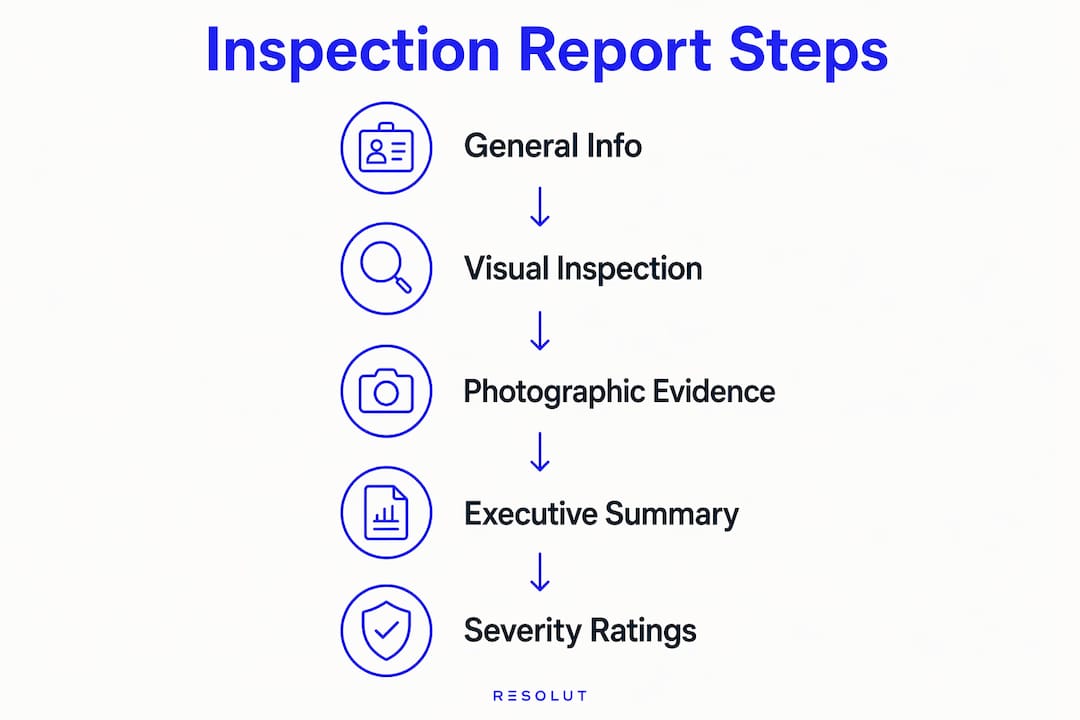
Every well-structured report opens with general property information: the address, inspection date, weather conditions, and inspector credentials. This section matters because conditions like rain or extreme cold affect what an inspector can safely access and evaluate. A report completed during a Memphis summer heat wave, for example, may note that the attic was not fully accessed due to temperature.
The executive summary is the most important single section in any home inspection report. It separates deal-breaker issues from routine maintenance so buyers and sellers can quickly identify what needs immediate attention. Most inspectors use a severity coding system, typically color-coded or labeled, to distinguish safety hazards, major defects, repair items, and general maintenance notes.
Core components of a standard report
| Report Section | What It Covers |
|---|---|
| General information | Address, date, inspector credentials, weather |
| Executive summary | Critical issues, safety hazards, priority repairs |
| System-by-system findings | Structure, roof, plumbing, electrical, HVAC, interior |
| Photographic documentation | Annotated photos tied to specific findings |
| Severity key | Definitions for safety hazard, defect, repair, maintenance |
Photographic documentation is not optional in a quality report. Annotated photos tie visual evidence directly to written findings, which makes repair requests far easier to support during negotiations. A photo of a cracked flue collar or a corroded service panel speaks more clearly than a paragraph of technical description.
Pro Tip: Ask your inspector whether the report uses a narrative format, a checklist format, or a hybrid. Narrative reports tend to give more context about why a finding matters, which helps you make better decisions.
How do you read and interpret a home inspection report?
Reading a home inspection report effectively starts with the executive summary, not page one. Most reports run 30–60 pages for a typical residential property. Buyers who start at the beginning and read every line in order often arrive at the summary already anxious, having mentally inflated minor items into major problems.
The severity key defines everything. Safety hazards, major defects, repair items, and maintenance tasks are fundamentally different categories, and treating them the same way leads to poor decisions. A safety hazard, such as a missing GFCI outlet near a water source, requires correction. A maintenance note about dirty HVAC filters does not carry the same weight.
Photos deserve as much attention as the written findings. Annotated photographic evidence shows you the actual condition of a component, not just a description of it. A photo of a roof with three layers of shingles tells you something a sentence about “deferred maintenance” does not fully convey.
Context matters when reading a property condition report. A 1960s brick ranch in Memphis will show different findings than a 2005 suburban build. Older homes commonly have galvanized supply lines, outdated electrical panels, and original HVAC equipment near the end of its service life. These findings are expected, not alarming. The question is always whether the condition is safe, functional, and within normal limits for the property’s age and type.
Pro Tip: Read the limitations section of every report. Inspectors cannot evaluate concealed wall cavities, buried pipes, or areas blocked by stored belongings. A clean report on those areas means they were not accessible, not that they are problem-free.
What “normal wear” actually means
Normal wear refers to deterioration that occurs predictably over time without neglect or damage. Hairline cracks in drywall, minor weatherstripping gaps, and surface rust on a water heater drain valve are examples. These items appear in nearly every report. Buyers who misread severity codes often treat normal wear as evidence of a failing home, which can derail negotiations unnecessarily.
What mistakes do buyers and sellers make with inspection reports?
The most common mistake buyers make is ignoring the executive summary entirely and reacting to the total number of findings. A report with 40 items sounds alarming. A report where 35 of those items are maintenance notes and only 2 are safety concerns tells a very different story. Ignoring the executive summary or misunderstanding the inspection scope leads directly to poor decisions.
Sellers make a parallel mistake: dismissing the report as the buyer’s problem. A pre-listing inspection gives sellers the chance to address findings before negotiations begin, which typically produces better outcomes than reactive price reductions under contract pressure.
Inspection reports are not designed to scare you away from a property. They are designed to tell you exactly what you are buying. A report full of maintenance items on a 40-year-old home is not a red flag. It is an honest picture of a home that has aged normally. The red flags are the items coded as safety hazards or major defects, and those deserve your full attention.
Common mistakes that cost buyers and sellers money include:
- Overreacting to cosmetic findings like paint peeling, minor cracks, or dated fixtures
- Failing to follow up on specialist recommendations, such as a structural engineer review or a licensed electrician evaluation
- Assuming a clean report means no hidden issues, when ASHI and InterNACHI standards exclude concealed interior wall cavities and buried pipes
- Using the report as a list of demands rather than a prioritized negotiation tool
- Not reading the scope limitations section, which defines what the inspector did and did not evaluate
Thermal imaging, when included, adds a layer of detection beyond what a visual inspection can provide. It can expose hidden moisture intrusion, electrical hotspots, and insulation gaps that would otherwise remain invisible until they cause damage. Not every inspection includes thermal imaging, so ask before you book.
How do you use an inspection report in a real estate transaction?
The inspection report becomes a negotiation document the moment the buyer receives it. Identifying deal-breaker issues versus routine maintenance is the first step. Deal-breakers are typically safety hazards, major structural defects, or systems that have failed or are near the end of their service life. Routine maintenance items are the buyer’s responsibility after closing.
The practical steps for using a report effectively in a transaction include:
- Prioritize by severity. Address safety hazards and major defects first. Do not dilute your negotiation position by requesting repairs on 20 minor items.
- Get specialist quotes. When the report recommends a licensed electrician, structural engineer, or HVAC technician, get that evaluation before closing. An inspector’s finding is an observation, not a diagnosis.
- Request repairs or credits, not both. Sellers generally respond better to one clear ask. A credit at closing gives you control over how the work gets done.
- Consider follow-up specialized inspections when the report flags foundation movement, active moisture intrusion, or aging electrical systems.
- Document everything in writing. Verbal agreements about repairs mean nothing at closing. All requests and responses belong in the contract addendum.
Sellers benefit from the same discipline. A pre-listing report lets you address findings on your timeline, with contractors you choose, at prices you control. Buyers who receive a clean pre-listing report alongside a seller’s disclosure tend to move faster and negotiate less aggressively.
Pro Tip: Your real estate agent can help you identify which findings are typical for the neighborhood and price point. An experienced agent in Memphis or West Tennessee will know whether a 20-year-old HVAC system is a negotiating point or a standard replacement expectation.
The role of the inspection report in real estate deals extends beyond the negotiation table. Post-closing, the report becomes a maintenance roadmap. The items coded as “monitor” or “routine maintenance” tell you what to budget for in the first one to three years of ownership.
Key Takeaways
A property inspection report is only as useful as your ability to read it correctly, prioritize findings by severity, and act on the right items during negotiations.
| Point | Details |
|---|---|
| Standards define inspection scope | ASHI and InterNACHI standards organize inspection scope into multiple categories covering structure, exterior, roofing, plumbing, electrical, heating, cooling, interiors, insulation and ventilation, and fireplaces. |
| Executive summary first | Read the summary before the full report to identify safety hazards and major defects without inflating minor items. |
| Photos substantiate claims | Annotated photos tied to findings support repair requests and give buyers clear visual evidence of conditions. |
| Scope has real limits | Inspectors cannot evaluate concealed cavities or buried pipes; a clean report does not guarantee no hidden defects. |
| Reports are negotiation tools | Prioritize safety hazards and major defects in negotiations; avoid diluting your position with cosmetic or maintenance items. |
What I’ve learned from years of writing inspection reports
The most consistent problem I see is not bad inspections. It is buyers and sellers who receive a thorough report and then do not know what to do with it. A 50-page document with photos, severity codes, and system-by-system findings is genuinely useful. But only if you read the executive summary first, understand what the severity codes actually mean, and resist the urge to treat every finding as equally urgent.
Clear, prioritized summaries change client outcomes. When a report leads with the three items that actually matter, buyers stop fixating on the 37 items that do not. That clarity prevents panic, keeps negotiations focused, and helps both sides reach a fair resolution faster.
The limitation language in every report also deserves more attention than it gets. Inspectors work within defined standards. We do not open walls, excavate soil, or operate systems that are shut off. A report that says “unable to evaluate” on a specific area is not a failure. It is an honest boundary. Buyers who understand that limitation know when to order a follow-up evaluation and when to accept the uncertainty as part of buying an older property.
My advice to every buyer: read the report with your inspector present or on a call. Ask what the three most important findings are. Ask what the inspector would do if it were their money. That conversation is worth more than reading the report alone at midnight before your inspection contingency expires.
— Holly
Upchurchinspection delivers reports that work for your transaction
Upchurchinspection serves homebuyers, sellers, and real estate professionals across the Mid-South with residential and commercial inspections that go beyond basic checklists. Every report documents the condition of major systems with annotated photos, clear severity ratings, and findings written in plain language. The inspectors at Upchurchinspection hold qualifications that exceed Tennessee state standards, which means you get a report you can actually use at the negotiating table. For property owners who want to stay ahead of maintenance costs, the benefits of regular inspections are well documented. Contact Upchurchinspection to schedule an inspection and receive a report built for confident decision-making.
FAQ
What does a home inspection report include?
A standard home inspection report covers the major systems and components addressed by applicable standards of practice, including structure, exterior, roofing, plumbing, electrical, heating and cooling, interiors, insulation and ventilation, and fireplaces. It includes an executive summary, system-by-system findings, annotated photos, and a severity key.
How long does a home inspection report take to receive?
Most inspectors deliver the report within 24 hours of the inspection. Some deliver it the same day, particularly when using digital reporting platforms.
Can a home fail a home inspection?
Home inspections do not produce a pass or fail result. The report documents observed conditions and assigns severity ratings; buyers and sellers then decide how to respond to those findings.
What does “not inspected” mean in a property condition report?
“Not inspected” means the inspector could not safely or physically access that component during the inspection. It does not mean the area is problem-free. ASHI and InterNACHI standards exclude concealed wall cavities, buried pipes, and inaccessible areas from the inspection scope.
How should buyers use an inspection report in negotiations?
Buyers should focus negotiations on safety hazards and major defects identified in the executive summary. Requesting repairs or credits on routine maintenance items weakens your negotiating position without meaningful benefit.