TL;DR:
- A property inspection is a visual, non-invasive assessment of a home’s major systems conducted by a licensed inspector. It covers critical components like the foundation, roof, electrical, plumbing, and HVAC but excludes specialty systems requiring licensed specialists. The inspection process typically takes 2 to 4 hours and guides negotiations by identifying safety hazards and major defects, with reports influencing repair requests and price adjustments.
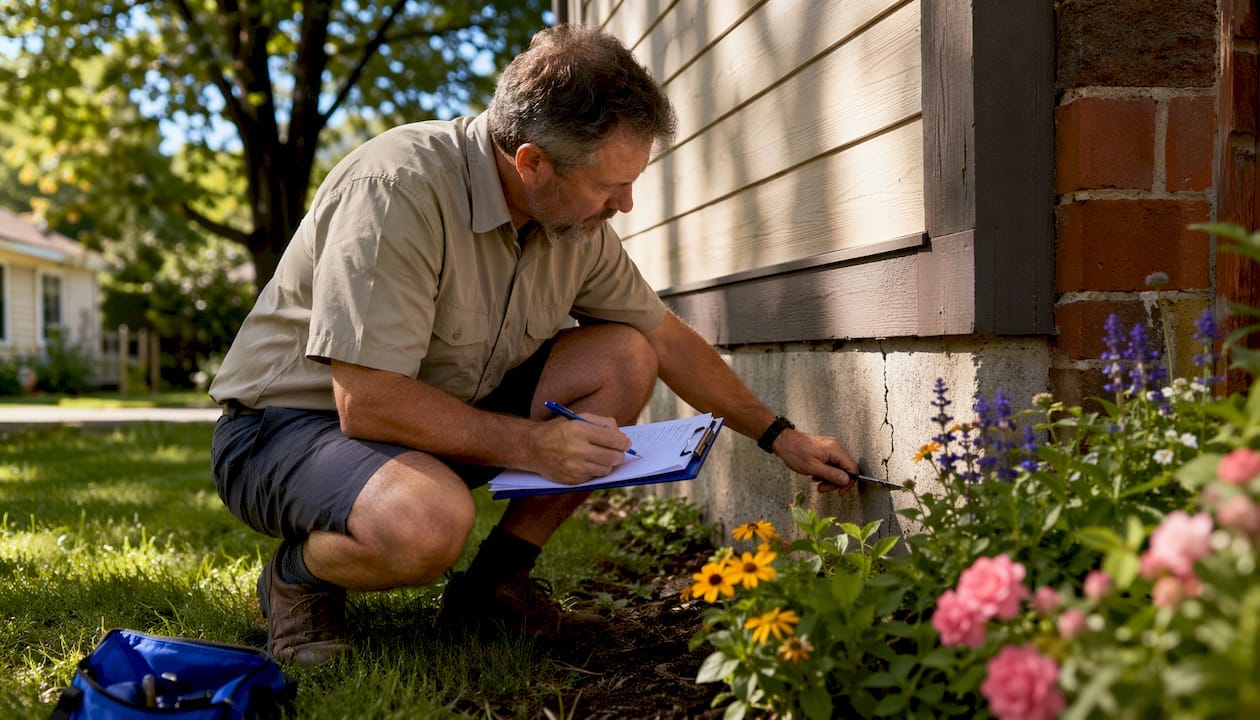
A property inspection is a visual, non-invasive evaluation of a home’s major systems and structure, conducted by a licensed inspector to identify safety hazards, significant defects, and components nearing the end of their service life. The property inspection process explained in plain terms means a trained professional walks every accessible area of a home, documents what they find, and delivers a written report before the transaction closes. Standard inspections cover the foundation, roof, electrical system, plumbing, HVAC, and interior and exterior conditions. A standard home inspection costs $300–$500 nationally in 2026, with larger or more complex homes running $500–$800 or more. That cost is small relative to the risk of buying a home with a failing HVAC system or a compromised foundation. The inspection report becomes one of the most important documents in the transaction, directly influencing negotiations, repair requests, and sometimes the decision to walk away entirely.
What does a standard property inspection cover?
A standard inspection covers every major system and structural component that a licensed inspector can visually access. That includes the roof, gutters, and exterior cladding; the foundation and grading; the electrical panel and visible wiring; supply and drain plumbing; the HVAC system; the attic and insulation; and interior components like windows, doors, ceilings, and floors. The goal is to identify safety hazards and major deficiencies, not to catalog every scuff or cosmetic imperfection.
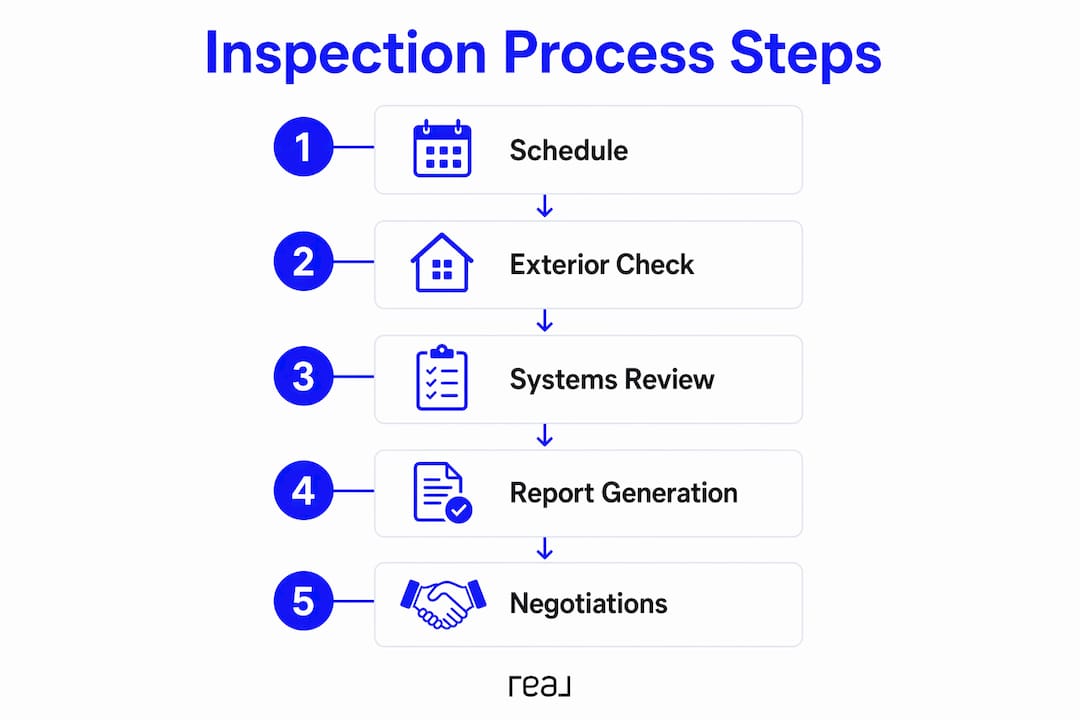
The inspection is strictly visual and non-invasive. Inspectors do not open walls, excavate soil, or probe underground lines. That boundary matters because it defines what the report can and cannot tell you. A visible water stain on a ceiling tells an inspector moisture has been present. It does not tell them whether the source is a one-time event or an active leak behind the drywall.
Certain systems fall outside the standard scope entirely. Pools, septic tanks, chimneys, and private wells require licensed specialists beyond what a general inspector evaluates. Radon testing, mold sampling, and sewer scoping are common add-ons with separate fees. When an inspector flags a concern near a specialty system, the correct response is to schedule that specialist evaluation before closing, not after.
Pro Tip: Ask your inspector which specialty add-ons are worth ordering for the specific home. An older home in Memphis with a clay sewer lateral is a strong candidate for a sewer scope. A home near a crawl space in West Tennessee warrants radon testing.
Inspectors also do not certify code compliance. A home may have wiring that was legal when installed but does not meet current National Electrical Code standards. The inspector will flag it as a safety concern, but the report is not a code compliance certificate. Buyers who need code confirmation require a separate municipal evaluation.
- Structural components: Foundation, framing, load-bearing walls, floor systems
- Roof and attic: Shingles, flashing, ventilation, insulation, visible decking
- Electrical: Panel condition, breaker labeling, GFCI protection, visible wiring
- Plumbing: Supply lines, drain lines, water heater age and condition, visible leaks
- HVAC: Furnace and air handler condition, cooling equipment, ductwork, filters
- Interior and exterior: Windows, doors, grading, cladding, decks, and porches
How long does the property inspection process take?
A typical home inspection takes 2–4 hours on site, depending on the home’s size, age, and condition. A small condo may be done in 60–90 minutes. A large older home with a crawl space, multiple HVAC systems, and a detached garage can run 4–6 hours or longer, especially when specialty add-ons are included. That time estimate matters because buyers need to plan their schedule and agents need to coordinate access.
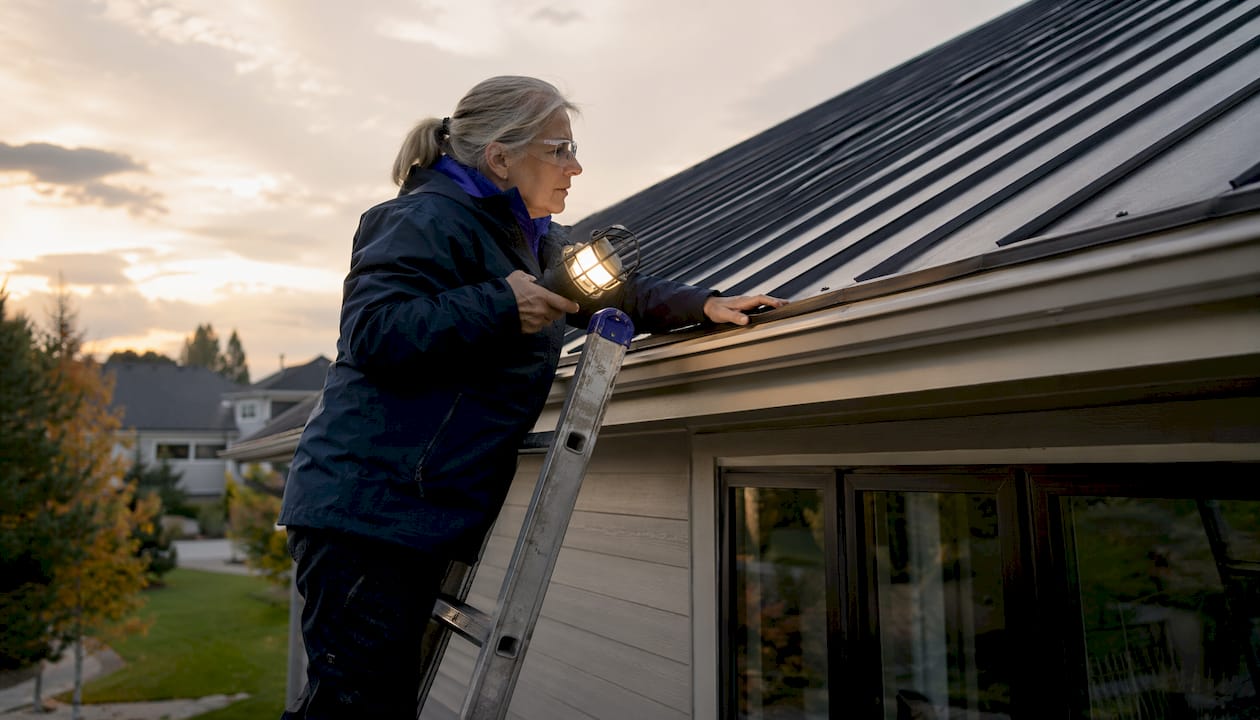
Inspectors follow a systematic workflow. They start outside, assessing the roof, grading, foundation perimeter, and exterior cladding. They turn on the HVAC system early so it has time to run through a full cycle before they evaluate it. Then they move inside, working through each system methodically. This sequence is not arbitrary. Running the HVAC first gives the inspector real operating data rather than a cold-start reading.
| Home type | Typical onsite time | Common add-ons |
|---|---|---|
| Condo or small home | 60–90 minutes | Radon device placement |
| Average single-family home | 2–4 hours | Radon, sewer scope |
| Large or older home | 4–6+ hours | Radon, mold, sewer, chimney |
| Commercial property | Half day to full day | Specialty structural, MEP |
Report delivery typically follows within 24–48 hours of the onsite inspection. Most purchase contracts include an inspection contingency with a defined deadline, often 7–10 days from contract execution. That window covers scheduling, the inspection itself, report review, and any follow-up specialist evaluations. Buyers who wait to schedule lose days they cannot recover.
Pro Tip: Schedule the inspection within 24 hours of going under contract. In a competitive market, waiting two or three days to book can push you against the contingency deadline before you have time to review specialist follow-up reports.
What are common findings and how do they affect negotiations?
86% of inspections reveal at least one issue, and most homes have several. That is not a reason for alarm. Inspections are not pass/fail evaluations. They are condition assessments, and every home has a condition. The question is whether the findings are manageable maintenance items, significant defects requiring repair, or safety hazards that need immediate attention.
Inspection reports classify findings by severity: safety hazards, major defects, and maintenance items. A safety hazard might be a double-tapped breaker in the electrical panel or missing GFCI protection near water sources. A major defect might be a cracked heat exchanger in the furnace or active water intrusion at the foundation. A maintenance item might be clogged gutters or a worn caulk joint at a window. Each category carries different urgency and different negotiating weight.
Common major findings in residential inspections include:
- Foundation movement or cracking beyond normal settling
- Roofing at or past its expected service life
- Electrical hazards including aluminum branch wiring or outdated panels
- Plumbing leaks, galvanized supply lines, or failing water heaters
- HVAC systems with failed components or deferred maintenance
- Evidence of moisture intrusion in crawl spaces or basements
Buyers who use inspection findings to negotiate save an average of $14,000 off the purchase price. That figure reflects the real leverage a thorough report provides when findings are documented, classified, and presented with repair estimates.
Buyers use the report to request repairs, price reductions, or closing credits. Sellers respond by providing documented repair estimates or completing work before closing. The role of inspection reports in negotiations is direct: findings form the factual basis for every request, and a well-documented report with photos and severity classifications is far more persuasive than a verbal summary. Buyers can also use the contingency to cancel the contract if findings are severe enough to change the purchase calculus entirely.
Some findings that appear minor on the surface signal deeper problems. A small crack in a brick veneer near a corner window may indicate differential foundation settlement. A soft spot in a bathroom floor near the toilet base often means long-term water damage to the subfloor. Experienced inspectors note these patterns and recommend specialist follow-up when the visible evidence suggests a larger issue underneath.
How should buyers, sellers, and agents prepare for an inspection?
Buyers carry the most responsibility in the real estate inspection workflow. The first step is hiring a licensed inspector whose qualifications meet or exceed state standards. Beyond licensing, look for inspectors with field experience in the property type and region. An inspector who has worked extensively in Memphis and West Tennessee knows what clay soil movement looks like at a foundation and recognizes the HVAC brands common to the area.
Attending the inspection is not optional if you want to understand what you are buying. Buyers who attend receive real-time explanations from the inspector, which improves comprehension and decision-making far beyond reading the report alone. You can ask what a finding means in practical terms, how urgent it is, and whether it warrants a specialist. That conversation does not happen if you skip the walkthrough.
For sellers, preparation is straightforward:
- Clear access to the attic hatch, electrical panel, crawl space entry, and HVAC equipment.
- Replace HVAC filters and ensure all utilities are active, including gas and water.
- Gather documentation for any repairs completed since purchase, including permits and contractor invoices.
- Consider a pre-listing inspection to identify and address issues before buyers see them.
A pre-listing inspection gives sellers control over the narrative. Sellers who disclose condition proactively reduce the risk of surprise findings derailing a contract at the last minute. It also signals good faith to buyers, which can support a stronger offer price.
Agents play a coordination role that directly affects outcomes. Scheduling the inspection early, advising clients on contingency deadlines, and recommending inspectors with a track record of thorough, readable reports all reduce friction. Agents who treat the inspection as a formality rather than a risk management step create problems for their clients at closing.
Pro Tip: If you are a buyer and the inspector recommends a specialist evaluation for a foundation concern or electrical issue, get that report before your contingency expires. A general inspector’s flag plus a structural engineer’s written assessment gives you far stronger negotiating ground than the flag alone.
Key Takeaways
A thorough property inspection is the most reliable tool buyers and sellers have to understand a home’s true condition before a transaction closes.
| Point | Details |
|---|---|
| Inspections are not pass/fail | Reports assess condition and severity, not whether a home is acceptable or unacceptable. |
| Scope has real limits | Standard inspections are visual only; specialty systems like septic and chimneys need licensed specialists. |
| Timing affects leverage | Scheduling early preserves contingency time for specialist follow-ups and negotiation. |
| Findings drive negotiations | Documented findings with severity classifications support repair requests, credits, and price reductions. |
| Attendance improves outcomes | Buyers who attend inspections understand findings better and make stronger negotiation decisions. |
What inspectors actually see versus what buyers expect
I have walked through hundreds of properties in Memphis and West Tennessee, and the gap between what buyers expect from an inspection and what an inspection actually delivers is one of the most consistent sources of post-closing frustration I see.
Buyers often expect a clean bill of health. What they get is an honest snapshot of current visible conditions. Inspections do not guarantee future performance or confirm code compliance. A furnace that runs fine on inspection day can fail six months later. That is not a failed inspection. That is the nature of mechanical systems.
The findings that concern me most are not always the ones that look dramatic. A large crack in drywall near a door frame is often just settling. A small stain on a basement wall near a window well can mean active water intrusion that has been quietly damaging the framing for years. The difference between a cosmetic issue and a structural one is not always obvious in a photo. That is why reading the report carefully, and asking the inspector directly when something is unclear, matters more than most buyers realize.
I also see buyers confuse inspections with appraisals. An appraisal establishes market value for the lender. An inspection evaluates physical condition for the buyer. They serve different purposes and neither substitutes for the other. Treating the inspection as a negotiating formality rather than a genuine risk assessment is how buyers end up with expensive surprises after closing.
The most practical thing you can do after receiving a report is build a maintenance plan from it. Every maintenance item the inspector flags is a future repair if ignored. Address the minor items before they become major ones. That discipline protects the investment long after the transaction closes.
— Holly
How Upchurchinspection supports your property decisions
Upchurchinspection provides residential and commercial property inspections across the Mid-South, with inspectors whose qualifications exceed Tennessee state standards. Every report covers major systems in detail, including structural components, plumbing, electrical, and HVAC, with photos and severity classifications that give buyers and sellers clear information for negotiations. For properties where the standard inspection flags a foundation or structural concern, Upchurchinspection coordinates engineer’s foundation evaluations to give clients the specialist documentation they need. Property owners and managers can also learn how regular inspections protect investments over time, reducing costly surprises and supporting informed decisions at every stage of ownership. Schedule early in the transaction to preserve your contingency window.
FAQ
What does a property inspection actually cover?
A standard property inspection covers the roof, foundation, electrical system, plumbing, HVAC, attic, and interior and exterior conditions through a visual, non-invasive evaluation. Specialty systems like pools, septic tanks, and chimneys require separate licensed specialists.
How long does a home inspection take?
Most home inspections take 2–4 hours on site, with smaller condos completed in 60–90 minutes and larger or older homes taking 4–6 hours or more when add-ons are included.
Does a home fail or pass an inspection?
No. Inspections are condition assessments, not pass/fail evaluations. The report documents findings by severity so buyers and sellers can make informed decisions, not a judgment that the home is acceptable or unacceptable.
Can buyers negotiate after an inspection?
Yes. Buyers use documented findings to request repairs, price reductions, or closing credits. Industry data shows buyers save an average of $14,000 through inspection-based negotiations, with the inspection contingency providing the legal basis for those requests.
Should buyers attend the inspection?
Attending the inspection is strongly recommended. Buyers who are present receive real-time explanations from the inspector, which improves understanding of finding severity and leads to better negotiation outcomes than reviewing the written report alone.