TL;DR:
- A home inspector conducts a visual evaluation of accessible property systems to identify safety and maintenance issues. The inspection provides an objective snapshot, not a pass-fail verdict, helping buyers and sellers negotiate confidently. The report guides decision-making but does not guarantee future performance or compliance with building codes.
A home inspector is defined as a trained professional who conducts a visual, non-invasive evaluation of a property’s accessible systems and structure to identify significant safety, functional, and maintenance concerns before a transaction closes. The role of home inspector sits at the center of nearly every residential real estate deal, yet it remains one of the most misunderstood positions in the process. Buyers expect a pass-or-fail verdict. Sellers fear a deal-killing report. Agents want a clean bill of health. None of those expectations match what an inspection actually delivers. What it does deliver is a documented, objective snapshot of condition, grounded in professional standards set by organizations like ASHI (American Society of Home Inspectors) and InterNACHI (International Association of Certified Home Inspectors), that gives every party the information they need to make a sound decision.
What does a home inspector evaluate during the home inspection process?

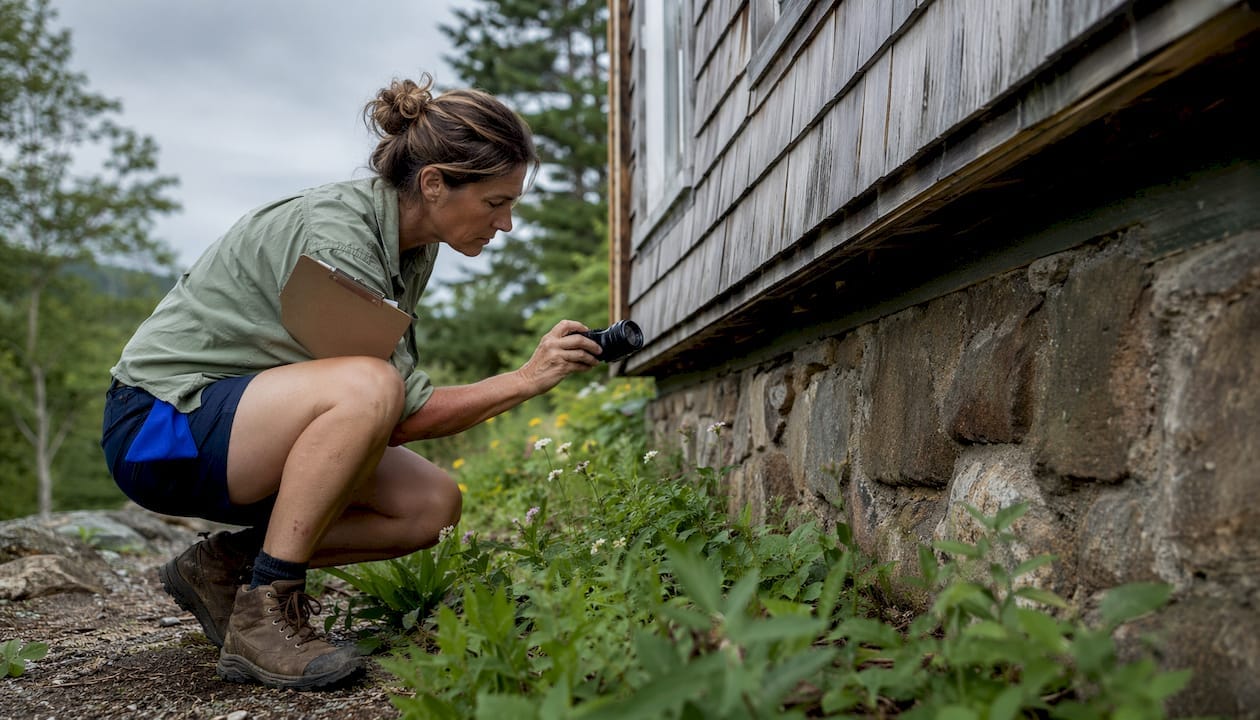
A standard home inspection covers the visible and accessible components of a property’s major systems. That includes the foundation, roof, exterior cladding, electrical panels and wiring, plumbing supply and drain lines, HVAC equipment, insulation, windows, doors, and interior structure. The inspector walks the property systematically, documenting conditions that are significantly deficient, unsafe, near the end of service life, or not functioning as intended.
A standard inspection runs 3–5 hours, with a written report delivered within 24–48 hours. From most inspection companies, you can expect a report that runs 30–60 pages. More detailed inspection companies, like Upchurch Inspection, provide reports that commonly run 100-150 pages and include photographs, severity ratings, and repair recommendations. The severity ratings matter most. They separate safety hazards from deferred maintenance items, which helps buyers and sellers prioritize what actually needs attention.
The inspection does not include destructive testing. Inspectors cannot open walls, lift flooring, or excavate around the foundation. Hidden areas and inaccessible components fall outside the standard scope, and courts consistently support that limitation when documentation is clear. Standard inspections also exclude environmental hazard testing. Radon, mold, and lead paint require separate, specialized tests ordered as add-ons.
Common add-on services and their typical cost ranges:
- Radon testing: $150–$250
- Sewer scope: $125–$400
- Mold sampling and lab analysis: $300–$600
- Thermal imaging: varies by scope
Pro Tip: Order the sewer scope at the same time as the general inspection. Sewer line defects are among the most expensive surprises in older homes, and scheduling them together saves a second trip fee.
| System inspected | What the inspector evaluates |
|---|---|
| Roof | Shingles, flashing, gutters, visible decking |
| Electrical | Panel condition, wiring type, GFCI protection |
| Plumbing | Supply pressure, drain function, water heater age |
| HVAC | Equipment age, operation, filter condition, visible ductwork |
| Foundation and structure | Visible cracks, settlement, moisture intrusion signs |
Why is the importance of home inspection so high for buyers and sellers?
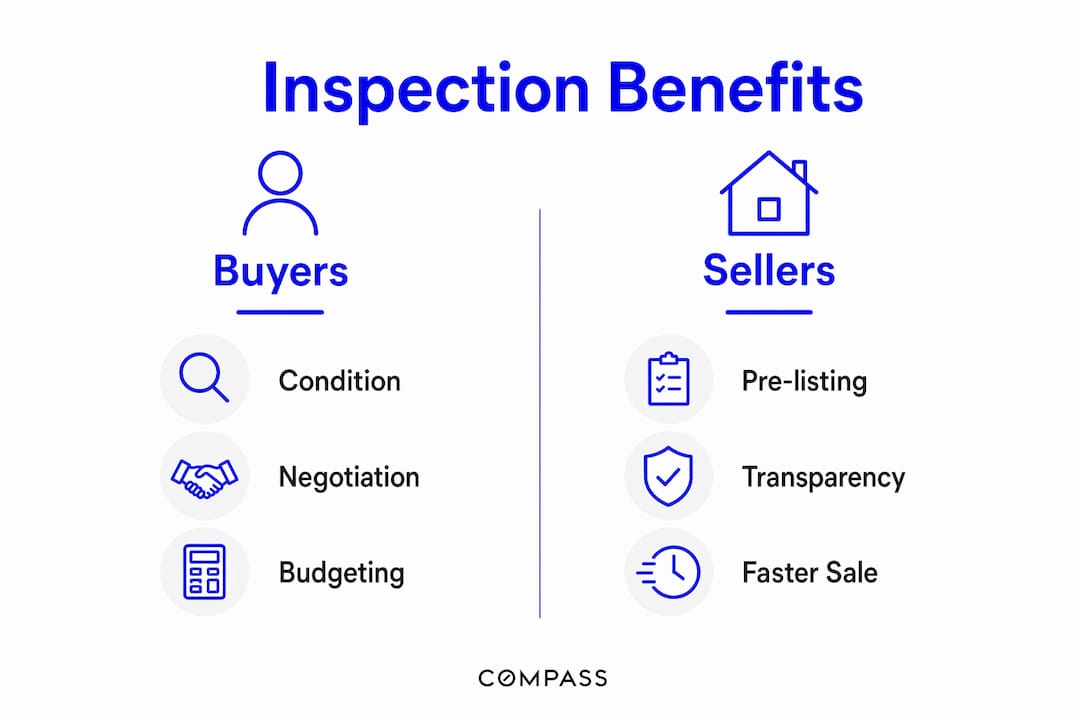
Home inspections serve a different purpose depending on which side of the transaction you are on. For buyers, the inspection is the primary tool for uncovering defects that are not visible during a showing. Inspection contingencies appear in most real estate offers, giving buyers the contractual right to negotiate repairs, request a price reduction, or walk away without penalty based on findings.
For sellers, a pre-listing inspection changes the dynamic entirely. Pre-listing inspections cost $300–$600 and give sellers the chance to address defects before buyers find them. That proactive approach reduces negotiation friction and prevents the kind of last-minute surprises that kill deals in the final week before closing. Sellers who complete pre-listing inspections can price with confidence and respond to buyer concerns with documentation rather than guesswork.
The inspection is not an appraisal. It does not determine market value. It is also not a home warranty. A home inspection report is a condition snapshot at the time of inspection, not a guarantee of future performance. That distinction matters enormously when buyers try to hold inspectors responsible for problems that develop six months after closing.
Key ways inspection findings protect both parties:
- Identify safety hazards like faulty wiring, gas leaks, or structural movement
- Document deferred maintenance that affects negotiation leverage
- Reveal mechanical systems nearing the end of their service life
- Separate cosmetic issues from functional defects
- Provide a written record that supports or refutes future claims
Pro Tip for Sellers: If your pre-listing inspection reveals an older HVAC system or a roof with limited remaining life, disclose it and price accordingly. Buyers will find it anyway, and a surprise finding late in the deal costs more in concessions than an upfront adjustment.
What home inspectors are not responsible for
The scope of a standard home inspection is defined, not unlimited. Clients who expect inspectors to catch everything, predict the future, or provide repair pricing will be disappointed, and that disappointment often turns into disputes that could have been avoided with clearer expectations.
Here is what falls outside a standard inspector’s responsibilities:
- Code compliance and permit status. Inspectors evaluate the current condition, not whether work was permitted or whether it meets current building codes. A finished basement may have code violations that a standard inspection will not flag.
- Environmental hazards. ASHI and InterNACHI standards exclude environmental testing from the standard scope. Radon, asbestos, mold, and lead paint require separate specialists.
- Repair cost estimates. Professional standards prohibit cost estimates to prevent conflicts of interest. Buyers should hire licensed contractors for pricing after the inspection.
- Future performance guarantees. An inspector who clears a water heater today cannot be held responsible if it fails in eight months. The report reflects conditions on inspection day.
- Hidden or inaccessible areas. Finished ceilings, buried pipes, and blocked crawl spaces are outside the scope. Some defects only surface after move-in, and that is not an inspector error.
Inspector liability is typically capped at the inspection fee specified in the pre-inspection contract. That limitation holds up in court when the inspector documented accessible conditions thoroughly and noted areas that could not be evaluated. Courts prioritize clear documentation when assessing inspector liability claims.
Pro Tip: Read the pre-inspection agreement before signing. It defines scope, exclusions, and liability limits. Clients who understand the contract upfront have far fewer disputes afterward.
How to use a home inspection report in negotiations
The inspection report is a negotiation tool, not a repair list. Buyers who send the entire report to the seller and demand everything be fixed are misusing it. The goal is to focus on findings that affect safety, habitability, or major system function.
Effective use of the report starts with reading it carefully before the negotiation deadline. Photo-rich reports with severity ratings help buyers and agents identify which findings carry real weight and which are routine maintenance. A cracked outlet cover is not the same as a double-tapped breaker panel.
After reviewing the findings, buyers have three realistic options:
- Accept as-is and proceed, knowing the full condition of the property
- Request repairs or a price credit for significant defects, supported by the report’s documented findings
- Walk away using the inspection contingency if findings reveal problems beyond acceptable risk
The report does not tell you what to ask for. It tells you what exists. A licensed contractor’s estimate gives you the dollar figure to bring to the negotiating table. Buyers who attend the inspection gain real-time context, making the written report far easier to interpret. Buyer attendance adds 15–30 minutes to the inspection but significantly improves decision-making afterward.
Sellers can use a pre-listing inspection the same way. Addressing known defects before listing removes the buyer’s leverage on those items and supports a cleaner, faster transaction. For more on applying findings effectively, reading inspection reports is a skill worth developing before you sit down at the negotiating table.
How to select a qualified home inspector
Certification and licensing are the baseline, not the finish line. Look for inspectors who hold ASHI or InterNACHI certification, carry state licenses where required, and have completed at least 500 inspections. Experience matters because pattern recognition matters. An inspector who has walked through 1,000 homes in Memphis and West Tennessee has seen the specific failure modes common to that region’s housing stock.
Agent referrals are convenient but carry a conflict of interest. Agents have a financial stake in the deal closing. An inspector who consistently delivers thorough, deal-challenging reports may not stay on an agent’s referral list for long. Independent recommendations from past clients, local investor groups, or professional directories reduce that risk.
What to expect on inspection day:
- Duration: 2–4 hours for a standard inspection; buyer attendance adds 15–30 minutes
- Buyer role: Attend, ask questions during the walkthrough summary, and take notes
- Seller role: Leave the property and ensure all areas are accessible, including the attic, crawl space, and electrical panel
- Report delivery: Within 24–48 hours, with photos and severity ratings
Inspection fees range from $250 to $900 depending on home size, age, and location, with most buyers budgeting $400–$700 for the base inspection. Add-ons increase that total. Budget for them if the property has an older HVAC system, a history of moisture issues, or a sewer line that has not been scoped recently. HVAC systems in particular deserve close attention. HVAC red flags that fall outside a general inspection’s scope can represent significant costs if left unaddressed.
Pro Tip: Schedule the inspection within the first few days of the contingency period. That gives you time to review the report, consult contractors, and still meet your negotiation deadline without rushing.
Key Takeaways
A home inspector’s core value is delivering an objective, documented condition report that protects buyers from costly surprises and gives sellers the information they need to price and negotiate with confidence.
| Point | Details |
|---|---|
| Defined scope, not unlimited | Standard inspections cover visible, accessible systems only; hidden areas and environmental hazards require add-ons. |
| Report is a snapshot, not a warranty | Findings reflect conditions on inspection day and do not guarantee future performance. |
| Attend the inspection | Buyer attendance adds 15–30 minutes but significantly improves report interpretation and negotiation decisions. |
| Pre-listing inspections benefit sellers | Costing $300–$600, they reduce negotiation friction and prevent last-minute deal disruptions. |
| Liability is limited by contract | Inspector responsibility is typically capped at the inspection fee; clear documentation supports that limit in court. |
What I’ve learned after hundreds of inspections in Memphis and West Tennessee
The clients who get the most out of an inspection are the ones who come in with realistic expectations. They understand that the report is a condition assessment, not a verdict. They attend the walkthrough, ask questions, and leave with a clear picture of what they are buying or selling.
The clients who struggle are the ones who want a pass-or-fail answer. They treat every finding as a crisis or dismiss the report entirely because “every house has issues.” Both reactions miss the point. Inspection findings vary in severity, and understanding that difference is what separates a smart negotiation from a failed one.
In Memphis and West Tennessee specifically, I see patterns that repeat across hundreds of inspections: aging HVAC systems pushed past their service life, crawl space moisture that has been ignored for years, and electrical panels that were acceptable in 1985 but create real risk today. These are not surprises if you know what to look for. They are exactly the kind of findings that justify the inspection fee many times over.
The biggest mistake buyers make is skipping the inspection on a competitive offer. The second-biggest mistake is using the report to demand that every item be fixed, including the cosmetic ones. Focus on safety, major systems, and deferred maintenance with real cost implications. That is where the inspection earns its keep.
— Holly
Upchurch Inspection: thorough inspections for the Mid-South
Upchurch Inspection serves buyers, sellers, and real estate professionals across Memphis and West Tennessee with residential and commercial inspections that exceed state licensing standards. Reports are detailed, photo-documented, and organized by severity so clients know exactly what needs attention and what can wait. Pre-listing inspections, sewer scopes, radon testing, and specialized inspection options are available to match the specific needs of each property and transaction. For property owners who want to stay ahead of maintenance and protect long-term value, the benefits of regular inspections go well beyond the closing table. Contact Upchurch Inspection to schedule an inspection or discuss what your specific property requires.
FAQ
What is the role of a home inspector in a real estate transaction?
A home inspector provides an objective, visual evaluation of a property’s accessible systems and structure, documenting significant defects, safety hazards, and maintenance concerns in a written report that buyers and sellers use to negotiate or make final decisions.
Does a home inspection determine if a house passes or fails?
No. A home inspection is not a pass-or-fail evaluation. It documents current conditions and identifies deficiencies, but the buyer and seller decide how to respond to those findings.
What systems does a home inspector check?
A standard inspection covers the foundation, roof, electrical, plumbing, HVAC, interior and exterior structure, insulation, windows, and doors. Environmental hazards and hidden areas require separate specialized testing.
How long does a home inspection take?
A standard inspection runs 3–5 hours, with buyer attendance adding 15–30 minutes. The written report is typically delivered within 24–48 hours of the inspection.
Can a home inspector estimate repair costs?
No. Professional standards prohibit the provision of repair cost estimates to avoid conflicts of interest. Buyers should obtain contractor quotes separately after reviewing the inspection report.