TL;DR:
- A home inspection is a visual evaluation of a property’s major systems and structure to uncover safety and functional issues. Attending the inspection allows buyers to better understand conditions, and negotiations should focus on major safety or structural concerns. Most inspections reveal at least one issue, with water intrusion and roof damage being the most critical.
A home inspection is a professional visual evaluation of a home’s physical structure and major systems to uncover conditions that may influence buying or selling decisions. This home inspection process guide covers everything from what inspectors examine and how long it takes, to reading reports and negotiating repairs. Whether you are buying your first home in Memphis or selling a property you have owned for decades, understanding this process protects your investment and prevents costly surprises after closing.
What does a home inspection cover?
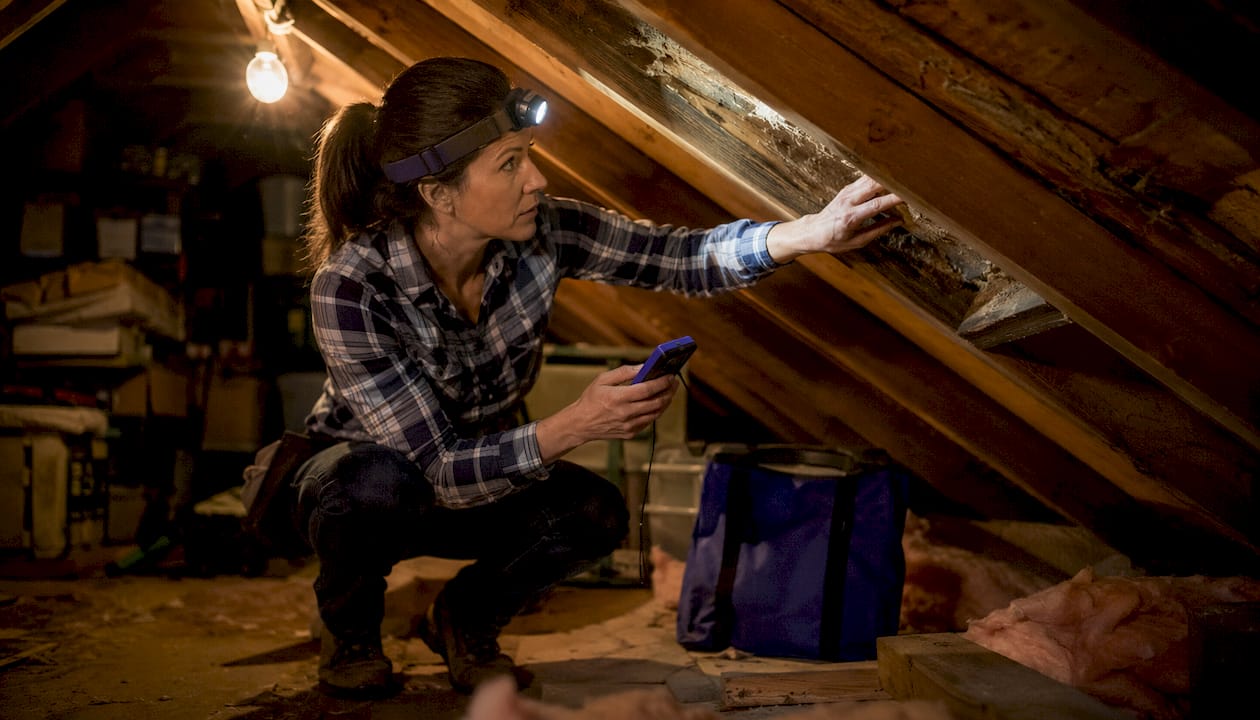
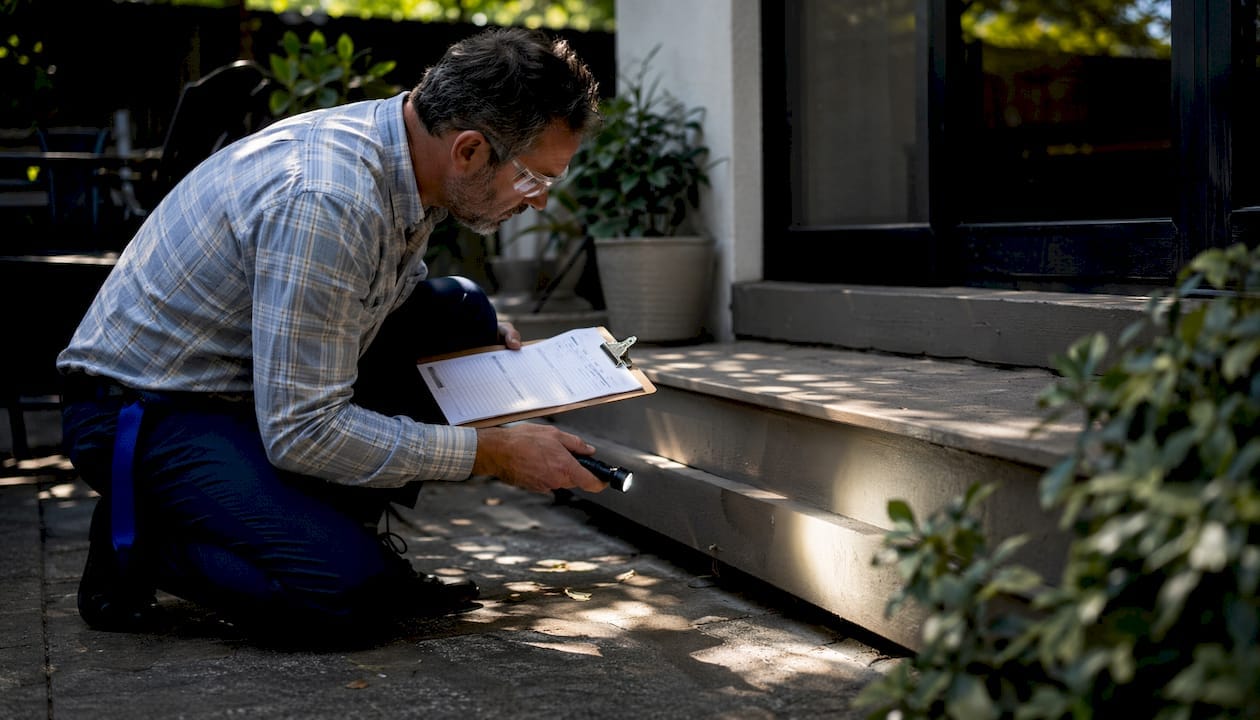
A standard home inspection covers the visible and accessible components of a property. Inspectors examine the roof, attic, foundation, walls, floors, ceilings, windows, and doors. They also evaluate the HVAC system, plumbing, electrical panels and wiring, and insulation. The goal is to identify conditions that affect safety, function, or the remaining service life of major systems.
Inspections have real limits. Inspectors do not open walls, move furniture, or test systems that are shut off. If a crawlspace is inaccessible or an attic hatch is blocked, that area goes uninspected. Specialty concerns like radon, mold, sewer scopes, or Chinese drywall require separate evaluations by qualified specialists. Knowing these limits upfront prevents frustration when the report does not address every corner of the property.
A standard inspection typically runs 2 to 4 hours, with the final report delivered within 24 to 48 hours. That timeline matters when you are working against a contract deadline. Plan your schedule accordingly and do not book the inspection on the last possible day before your contingency expires.
Key areas inspectors assess during a visit:
- Roof and attic: Shingle condition, flashing, ventilation, and signs of leaks or moisture intrusion
- Foundation and structure: Cracks, settlement, water staining, and framing integrity
- HVAC systems: Age, condition, filter status, and whether heating and cooling function properly
- Electrical: Panel capacity, breaker condition, grounding, GFCI protection, and visible wiring issues
- Plumbing: Supply lines, drain function, water heater age and condition, and visible leaks
- Insulation and ventilation: Attic insulation depth, vapor barriers, and exhaust routing
- Windows and doors: Operation, seals, and evidence of water infiltration
Pro Tip: Attending the inspection gives you far more than reading the report alone. Buyers who attend gain firsthand understanding of conditions and can ask the inspector direct questions in real time.
Step-by-step home inspection process guide
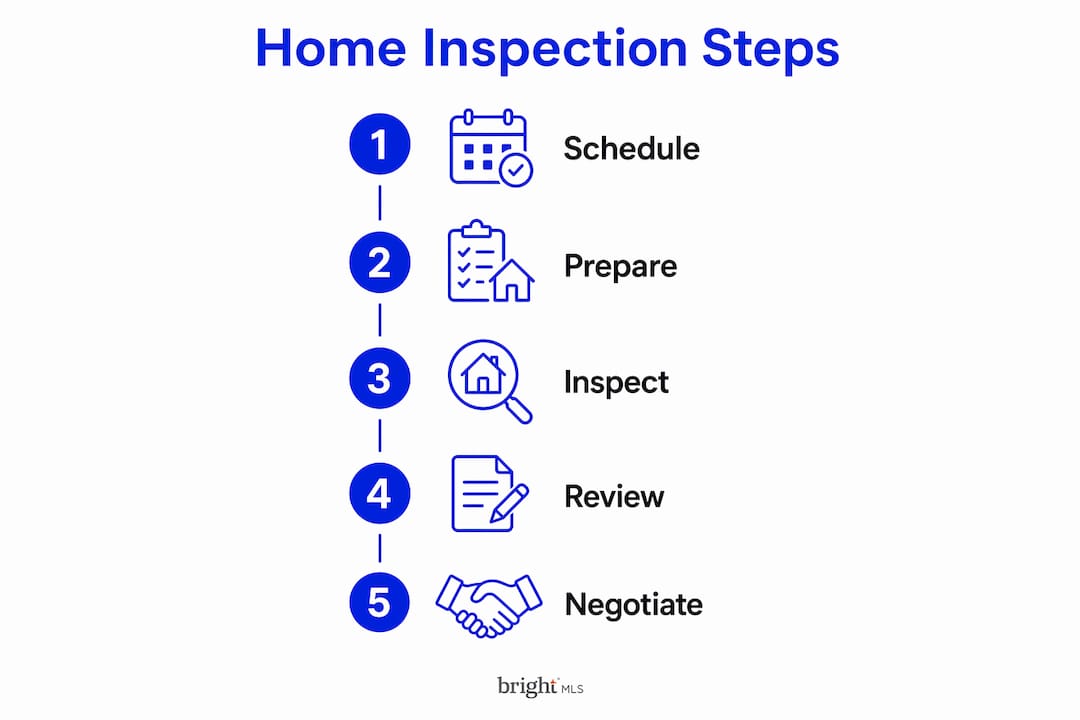
A clear sequence makes the process less stressful and more productive for both buyers and sellers. Here is how it typically unfolds.
Schedule with a qualified inspector. Hire an inspector certified through a recognized body such as InterNACHI or ASHI. Verify their license status in your state. In Tennessee, home inspectors must hold a state license. Ask for a sample report before booking so you know what level of detail to expect.
Prepare the property (sellers). Clear access to the attic, crawlspace, electrical panel, and water heater. Leave all utilities on. Organized maintenance records and repair receipts speed the process and prevent the inspector from flagging a repaired item as an active deficiency.
Prepare yourself (buyers). Review the seller’s disclosure before inspection day. Note any items the seller flagged and confirm the inspector addresses each one. Bring a notepad and wear shoes you can walk through a crawlspace in.
Attend the walkthrough. Follow the inspector through the property. Do not turn on faucets, appliances, or breakers independently. That can skew test results and create confusion about what the inspector actually observed. Ask questions when the inspector finishes examining each area, not while they are actively working.
Review the report carefully. Inspection reports are not pass/fail documents. They categorize findings into safety hazards, significant deficiencies, and maintenance or monitoring items. Read the full inspection report before deciding what to negotiate. Focus first on anything flagged as a safety concern or a major system failure.
Identify what matters most. Separate safety hazards and structural concerns from cosmetic issues. A missing handrail is a safety item. Scuffed baseboards are not. Treating every finding as equally urgent is the fastest way to derail a deal.
Pro Tip: If the report references a concern that needs further evaluation, such as a crack in the foundation or evidence of past water intrusion, hire the appropriate specialist before your inspection contingency expires. Do not wait until after closing.
What are the most common home inspection issues?
Approximately 86% of home inspections identify at least one issue. That number should not alarm you. It reflects the reality that most homes, regardless of age or price, have conditions worth noting.
Water intrusion is the most critical threat inspectors look for. Ceiling stains, crawlspace moisture, and roof damage are the most common entry points. Water damage leads to mold and structural rot when left unaddressed, and repair costs escalate quickly once secondary damage sets in. A single roof leak that goes unnoticed for two seasons can compromise attic framing and insulation, turning a $1,500 repair into a $15,000 remediation.
Common findings that carry real financial weight:
- Roof damage: Missing or curling shingles, failing flashing, and deteriorated sealants around penetrations. Roof replacement costs vary widely but represent one of the largest single expenses in a transaction.
- Electrical hazards: Double-tapped breakers, aluminum wiring in post-1972 homes, missing GFCI protection in wet areas, and open junction boxes. These are safety items, not cosmetic ones.
- Plumbing leaks and drainage issues: Active leaks under sinks, slow drains, and corroded supply lines. In older Memphis homes, cast iron drain lines are common and may show signs of deterioration.
- Foundation concerns: Horizontal cracks in block foundations and stair-step cracks in brick veneer warrant specialist review. Not every crack signals a structural failure, but none should be dismissed without evaluation.
- HVAC performance: A system that runs but does not reach temperature, or one that is past its expected service life, is a negotiating point. HVAC units typically last 15–20 years. An aging unit is not a defect, but it is a cost the buyer will absorb.
- Deferred maintenance: Missing caulk, peeling paint on exterior wood, and clogged gutters are maintenance items. They matter, but they are not deal-killers.
Inspectors focus on significant deficiencies that affect safety or function, not minor aesthetic flaws. That distinction is the most important one to carry into negotiations. Understanding which renovation types affect property value can also help buyers and sellers frame repair discussions in terms of real financial impact.
How should you handle inspection results and negotiate repairs?
Buyers who negotiate based on inspection findings secure meaningful concessions. The key is knowing which findings justify a request and which ones do not. Demanding that a seller repaint a bedroom or replace a dated but functional water heater will irritate the other party and weaken your position on the items that actually matter.
Focusing negotiations on safety hazards and major system deficiencies keeps deals together. Buyers who request credits or price reductions rather than seller-managed repairs gain control over who does the work and how well it gets done. That approach protects quality and avoids the risk of a rushed patch job before closing.
Requesting credits or price reductions rather than demanding seller repairs gives buyers the ability to hire their own contractors. That matters because a seller’s incentive is to close the deal at the lowest cost, not to deliver the highest quality repair. When you take the credit and manage the work yourself, you control the outcome.
Sellers benefit from pre-listing inspections that identify problems before buyers do. Addressing a known roof issue before listing removes it as a negotiating lever. It also signals to buyers that the seller has maintained the property honestly. That perception has real value in competitive markets. For buyers navigating high-stakes negotiations, expert negotiation strategies grounded in inspection data produce better outcomes than emotional reactions to a long report.
Practical guidance for both sides:
- Buyers: Prioritize safety hazards, structural concerns, and major system failures. Accept that minor maintenance items are your responsibility after closing.
- Sellers: Fix what you know is broken before listing. Disclosing a known defect is always better than having it surface in a buyer’s report.
- Both parties: Inspection reports are not pass/fail. A long report on a well-maintained home is normal. A short report on a neglected home is a warning sign.
The national average cost for a standard inspection runs $350 to $500, with small condos sometimes coming in under $200 and large or complex properties exceeding $800. That fee is one of the best-spent amounts in any real estate transaction.
Key Takeaways
A thorough home inspection protects buyers from costly surprises and gives sellers the information they need to price and prepare their property honestly.
| Point | Details |
|---|---|
| Inspection scope is broad but limited | Inspectors cover visible systems and structures; hidden areas and specialty concerns require separate evaluations. |
| Attend the inspection in person | Buyers who walk through with the inspector gain context that a written report alone cannot provide. |
| Water intrusion is the top risk | Moisture damage escalates fast; ceiling stains, crawlspace moisture, and roof issues demand immediate attention. |
| Negotiate on major findings only | Focus repair requests on safety hazards and significant deficiencies to keep negotiations productive and deals intact. |
| Credits beat seller repairs | Requesting a price reduction or credit gives buyers control over repair quality and contractor selection. |
What I have learned from years of inspection work
The most common mistake I see from buyers is treating the inspection report like a punch list for perfection. A 30-year-old home will have 30-year-old conditions. That is not a scandal. It is physics. The report’s job is to tell you what is there, not to guarantee the home is flawless.
What actually matters is the category of the finding. A cracked heat exchanger in a furnace is a carbon monoxide risk. That is non-negotiable. A hairline crack in a concrete garage floor is almost always cosmetic. Treating both with the same urgency is how buyers lose credibility with sellers and agents alike.
I have also seen sellers sabotage their own transactions by refusing to prepare. Leaving the crawlspace hatch blocked, failing to replace a dead HVAC filter, or not having the panel accessible wastes everyone’s time and creates the impression of a poorly maintained home. Thirty minutes of preparation before an inspection changes the tone of the entire report.
The buyers and sellers who come out of this process in the best shape are the ones who prepare for the inspection with realistic expectations, show up on inspection day, and read the report with a clear head. The inspection is not the enemy of the deal. Misunderstanding it is.
— Holly
Upchurchinspection: professional evaluations for confident decisions
Upchurchinspection serves buyers, sellers, and real estate professionals across the Mid-South with detailed residential and commercial property evaluations. Our inspectors exceed Tennessee state licensing standards and deliver reports that clearly separate safety concerns, major deficiencies, and maintenance items. That clarity matters when you are making one of the largest financial decisions of your life. For buyers and investors who need a deeper look at a property’s condition, our property condition assessments go beyond a standard checklist to evaluate major systems, deferred maintenance, and structural integrity. Schedule your inspection with Upchurchinspection and go into closing with the full picture.
FAQ
What is a home inspection and why does it matter?
A home inspection is a professional visual assessment of a property’s structure and major systems, including HVAC, plumbing, electrical, and roofing. It identifies conditions that affect safety, function, and value before a transaction closes.
How long does a home inspection take?
A standard home inspection takes 2 to 4 hours to complete, with the written report typically delivered within 24 to 48 hours. Larger or more complex properties take longer.
How much does a home inspection cost?
The national average falls between $350 and $500, though small condos can cost under $200 and large homes can exceed $800 depending on size and location.
Should buyers attend the home inspection?
Buyers should attend the inspection and follow the inspector through the property. Being present allows buyers to ask questions in real time and understand conditions far better than reading the report alone.
What issues come up most often in home inspections?
Water intrusion, roof damage, electrical hazards, plumbing leaks, and HVAC performance issues are the most frequently identified findings. Approximately 86% of inspections identify at least one issue worth addressing.