
INSPECTION FINDINGS · FROM OUR INSPECTION RECORDS
Masonry can show distress as a crack through veneer, separation at a junction or loose material at a cap. Our records also include cracking through the brickwork of a bell tower. These are examples from different buildings and different assemblies. Their common feature is that the visible condition gave us a reason to recommend an evaluation; it did not give us a complete structural diagnosis from the surface alone.
The loose cap is an especially direct observation because movement could be demonstrated by hand. A vertical veneer crack or stair-step pattern is a different kind of evidence. The report needs to identify the assembly and the observed condition before discussing possible implications.
Photographs and documented observations
A crack through the brickwork
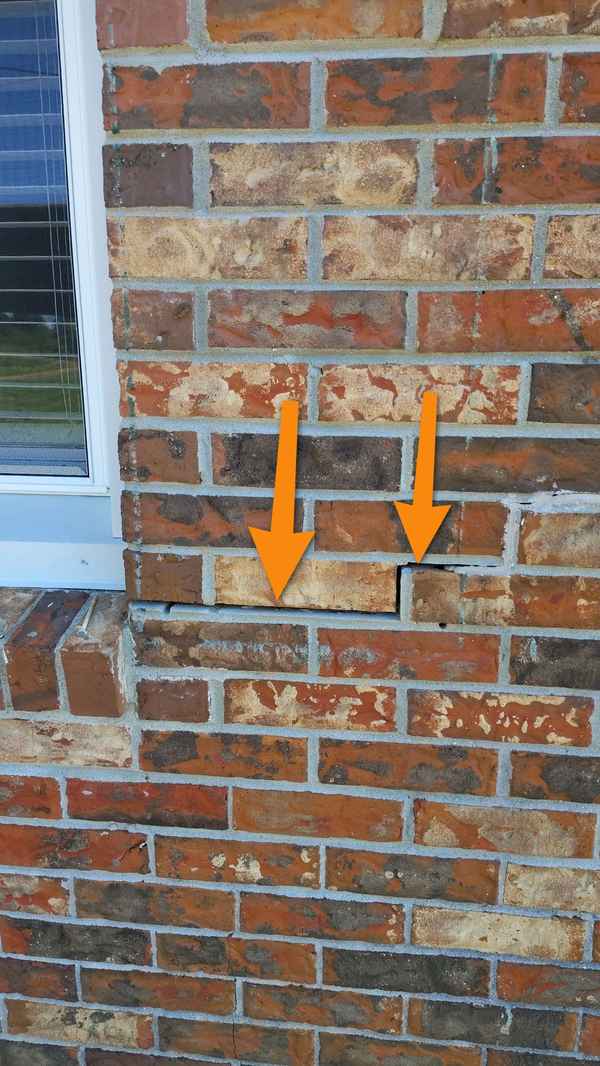
We documented cracked brick veneer near a window. Its location gave the buyer a specific area to have evaluated before choosing a repair.
A vertical crack through brick veneer
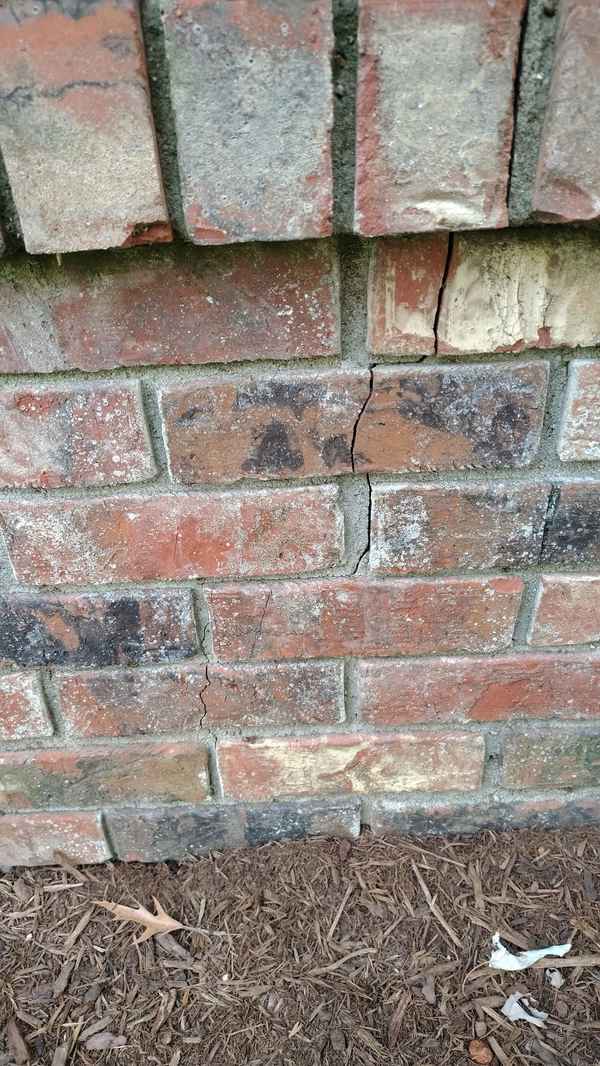
We found a vertical crack in the exterior brick veneer. The photo shows how it crosses the masonry. We recommended a qualified mason evaluate the cause and any needed repair.
A masonry cap that moved by hand
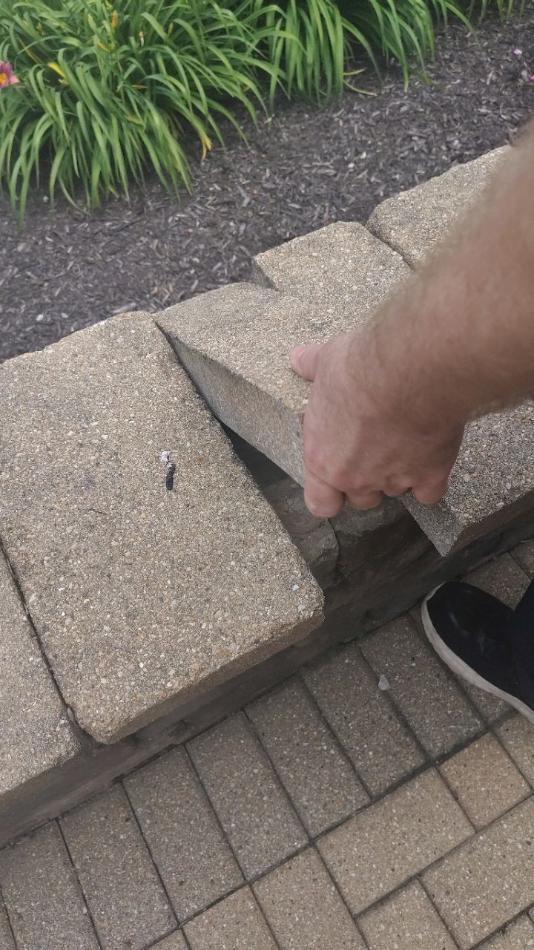
We found loose masonry at a porch wall, with open mortar joints and displaced adjoining material. The report recommended repair and repointing by a masonry contractor.
A gap where brick meets wood
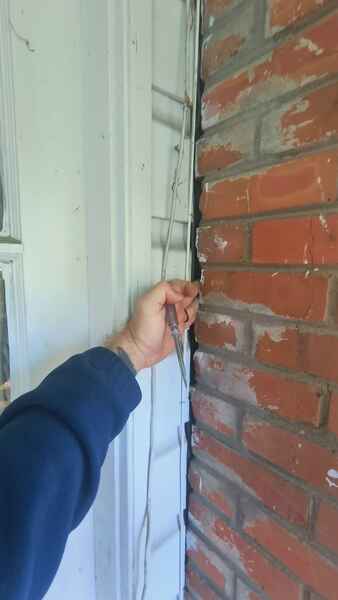
We found a visible opening where the masonry met the wood wall. That junction can admit water and pests if it’s left open. We flagged the connection for a contractor to evaluate and repair.
Cracks through the bell tower brickwork
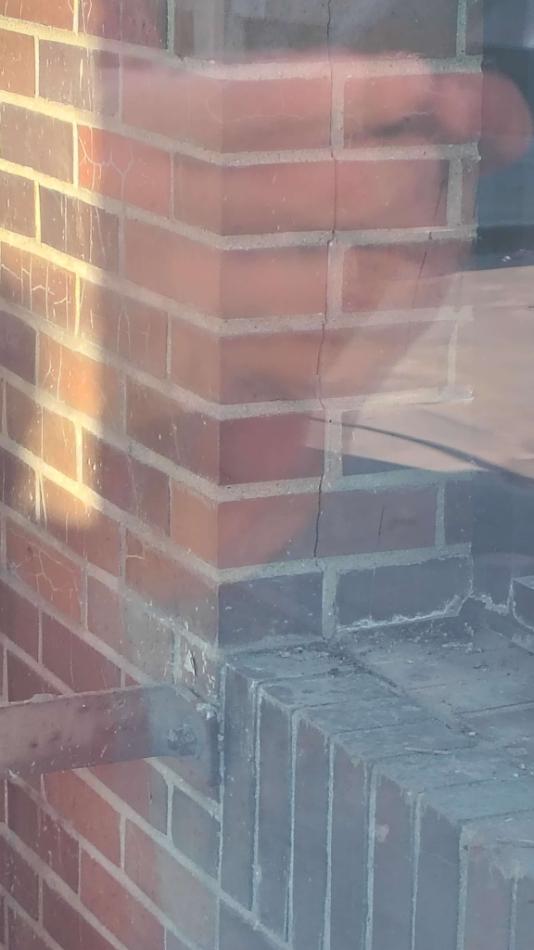
We documented masonry cracking around the bell tower windows, including cracks that passed through individual bricks. The report recommended evaluation of the masonry and nearby window joints to determine the cause and repair scope.
Keep the assembly in the description
The brick-to-wood junction showed an opening between different materials rather than an isolated crack in one masonry unit. The bell-tower example involved a commercial institutional setting with different access and maintenance considerations. Grouping the photographs here does not make the repair recommendations interchangeable. It shows why the location and construction belong in the narrative alongside the image.
Repair scope follows evaluation
The original reports referred the masonry concerns for qualified evaluation and appropriate repairs. Where a structural question remained, that question needed to be answered before cosmetic work concealed the evidence. A buyer or building manager should retain the close views and location information so the contractor can relate the proposed work to the condition actually documented.
Related inspection insights
For related context, read What Causes Cracks in Brick Veneer and When to Worry and Stair Step Cracks in Brick House Missouri: What They Mean.
Learn more about our home inspection services and the way we document building conditions for buyers and property owners.
By Wesley Upchurch. This article draws on documented inspection observations and photographs. Images show conditions at the time of inspection; later repairs are not established unless stated. Property addresses and client details are omitted.