
Home Inspection Information

What a Material Defect Really Means for Buyers and Sellers
Learn how material defects affect property value and legal duties in U.S. real estate, with expert tips for buyers and sellers to navigate inspections and…

Learn how material defects affect property value and legal duties in U.S. real estate, with expert tips for buyers and sellers to navigate inspections and…
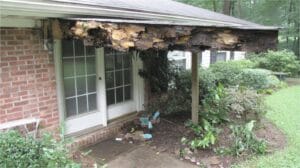

Peeling paint, dark staining, soft wood, or deterioration along the edge of a roof can be easy to dismiss as cosmetic. Sometimes it is mostly a maintenance issue. Other times, damaged soffit or fascia is a clue that water has been reaching an area that should stay reasonably dry. That


After a Missouri spring thunderstorm, the first sign may be a damp strip along the basement wall, a puddle beside the sump crock, or a musty smell rising through the stairwell. The water may look minor, but the useful question isn't only where did it appear? It's why did it


Thermal cameras, moisture meters, drones, gas detectors—inspection technology has come a long way. Buyers see inspectors arrive with cases full of tools and assume that the tools themselves are what make an inspection thorough. The reality is less flashy and far more important: equipment doesn’t find problems—experience does. At Upchurch
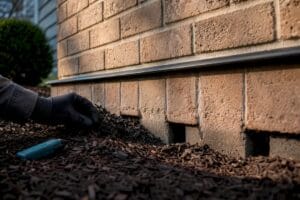
An inspector’s field-tested steps to spot missing or blocked brick weep holes, why mulch and debris often cause them, and when to call a pro.

It’s one of the most common reactions after an inspection report comes in. “Can’t the seller just fix this before closing?” On the surface, it feels reasonable. The issue is documented. There’s time before closing. Why not handle it now and move on? From experience, though, last-minute repairs are one

Most buyers assume that a home inspection is the same everywhere. That if an inspector follows a recognized standard, the results should be interchangeable whether the home is in Memphis, Nashville, Little Rock, or Cape Girardeau. On paper, that sounds reasonable. In practice, it’s wrong. National standards matter. They create

A Mid South inspector’s practical take on Missouri home inspection standards. Learn what gets checked on site, common exclusions, prep steps.

At some point during almost every inspection, a buyer asks a version of the same question: “Okay, but which of these things really matters?” It’s a fair question. Inspection reports can feel dense. Issues are documented individually, often with similar formatting and similar language. To someone new to the process,

Mississippi-focused guide to what ASHI/InterNACHI inspectors check, what’s excluded, how to prepare for inspection day, and how to use the report during…

Most buyers assume protection comes from spotting defects. That is part of the job, of course, but in practice, the real protection often comes from understanding patterns—how houses behave over time, how problems usually escalate, which issues tend to remain stable, and how local conditions shape the meaning of what
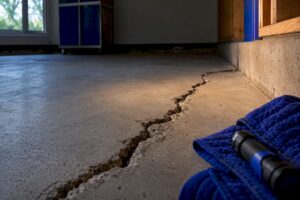
Field tested steps for Memphis homeowners: a 15 minute checklist to inspect slab foundation cracks, track growth, and know when to call an inspector or…