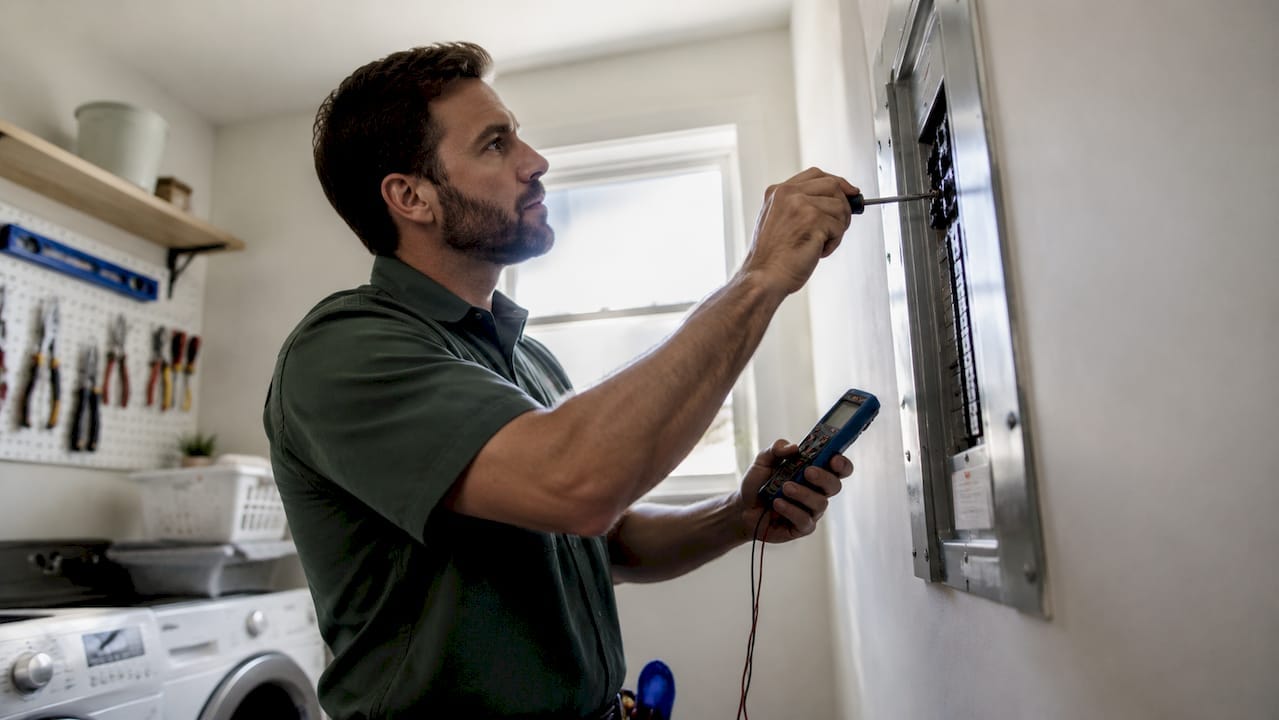
TL;DR:
- An electrical safety inspection evaluates a home’s wiring, panel, outlets, and devices to identify hazards and ensure code compliance. It is essential for preventing electrical fires, addressing high-risk issues like outdated panels and improper wiring, and should be scheduled every 3 to 5 years or after significant events. Homeowners can prepare by clearing access, noting symptoms, and testing GFCI outlets, while professional reports help prioritize urgent repairs versus long-term improvements.
An electrical safety inspection is a licensed electrician’s systematic evaluation of your home’s wiring, panel, outlets, and devices to uncover hidden hazards and confirm code compliance. This is the industry standard term for what many homeowners call a “home electrical inspection” or “residential safety inspection.” Electrical failures cause an average of 31,647 home fires annually in the U.S., resulting in 425 deaths, 1,279 injuries, and $1.6 billion in property damage each year. Those numbers make one thing clear: electrical safety inspection for homeowners is not optional maintenance. It is a direct line of defense against the most preventable category of house fires.
1. What does a professional electrical safety inspection check?
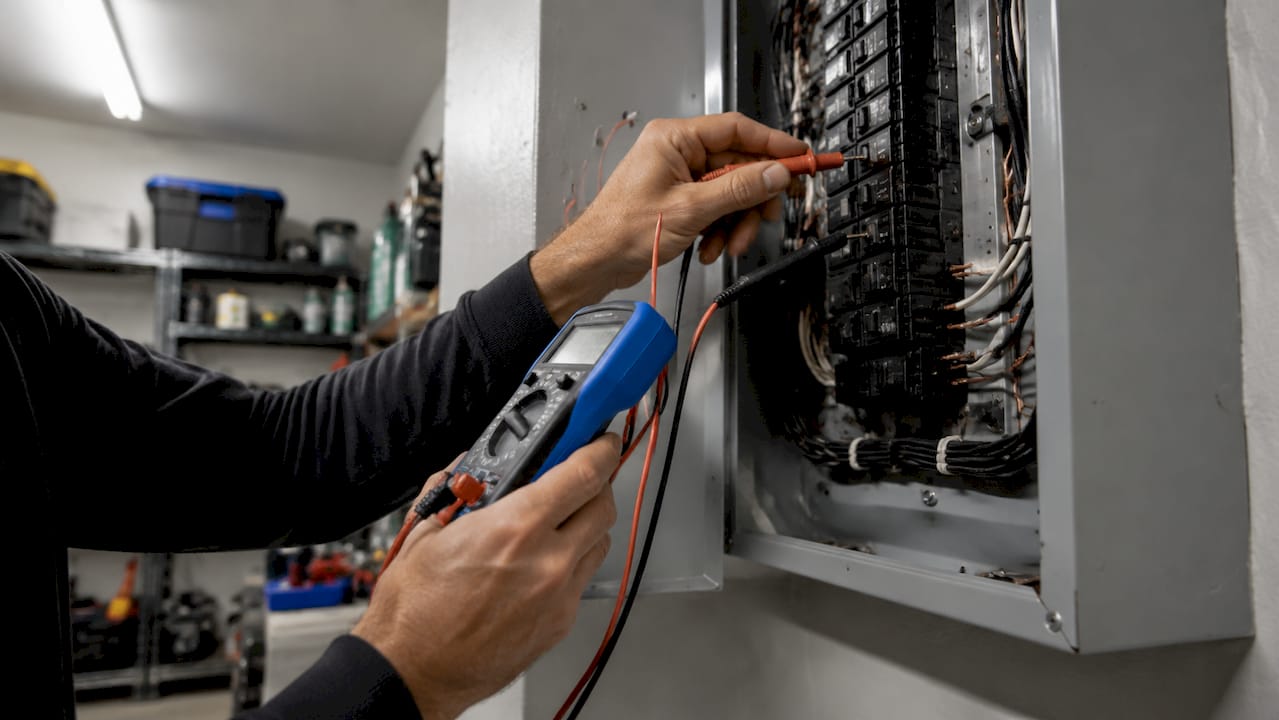
A professional electrical inspection goes well beyond what a general home inspector covers. Licensed electricians test continuity, insulation resistance, and breaker function using instruments, not just their eyes. That depth is what separates a dedicated electrical evaluation from a standard walkthrough.
The electrical panel is the first stop. The inspector checks every breaker for proper labeling, signs of corrosion, heat damage, and correct amperage ratings. Panels from Federal Pacific and Zinsco are flagged immediately. Both brands are widely recognized fire hazards and require replacement, not repair.
Wiring condition and type matter just as much as the panel. Knob-and-tube wiring found in pre-1950 homes lacks a ground conductor and cannot safely support modern electrical loads. Aluminum wiring, common in homes built between 1965 and 1973, expands and contracts differently than copper, creating loose connections over time. Frayed insulation anywhere in the system is an immediate concern.
Outlets, switches, and circuit protection get tested for grounding, correct polarity, and physical condition. GFCI protection is required by code in kitchens, bathrooms, garages, and outdoor areas. AFCI breakers protect bedroom circuits from arc faults, which are a leading cause of electrical fires. Missing or malfunctioning GFCI and AFCI devices are among the most common findings in older homes.
Junction boxes and circuit loading round out the inspection. Open or improperly covered junction boxes expose live wire connections. Overloaded circuits show up as breakers that trip repeatedly or feel warm to the touch. Smoke and carbon monoxide detectors are tested for placement and function as part of the overall safety picture.
Pro Tip: Ask the inspector to test every GFCI outlet in your home during the inspection. A surprising number of GFCI outlets in older homes have failed internally and no longer trip when tested, even though they look fine.
2. How often should homeowners schedule an electrical inspection?
Industry standards recommend scheduling a residential safety inspection every 3–5 years for most homes. Homes 25 years old or older, or homes that have undergone major renovations, should be inspected every 2–3 years. That shorter interval reflects the higher probability of outdated wiring, aging panels, and code gaps in older construction.
Certain events should trigger an inspection regardless of your last scheduled date:
- Buying or selling a home. A general home inspection does not substitute for a dedicated electrical system evaluation. Buyers need to know the true condition of the panel and wiring before closing.
- After a major storm or flood. Water intrusion into panels, outlets, or junction boxes creates corrosion and shock hazards that are not always visible.
- Before adding high-load appliances. EV chargers, hot tubs, and whole-home generators pull significant amperage. Adding them without an inspection risks overloading existing circuits.
- After a major renovation. New walls, added circuits, and relocated panels all need verification against current code.
- When warning signs appear. Flickering lights, frequent breaker trips, burning smells, or warm outlets are not quirks. They are symptoms of a system under stress.
Electrical hazards are often hidden behind walls and inside panels, which means serious risks can exist long before any symptom appears. Waiting for a warning sign is a reactive strategy. Scheduled inspections are a proactive one.
Pro Tip: Mark your inspection date on a home maintenance calendar alongside HVAC service and roof checks. Treating it as scheduled maintenance, not an emergency response, keeps costs predictable and hazards manageable.
3. What common issues do inspections uncover?
Inspections consistently surface the same categories of problems across homes of different ages and regions. Understanding what those findings mean helps you prioritize repairs without panic.
| Finding | Risk Level | What It Means |
|---|---|---|
| Federal Pacific or Zinsco panel | High | Known fire hazard; replacement is the standard recommendation |
| Knob-and-tube or aluminum wiring | High | Incompatible with modern loads; requires licensed evaluation and often rewiring |
| Missing GFCI/AFCI protection | Moderate to High | Code violation in most jurisdictions; shock and arc-fault risk |
| Open junction boxes | Moderate | Exposed live connections; cover plates required |
| Overloaded circuits | Moderate | Breaker trips indicate demand exceeds circuit capacity |
| Cosmetic outlet damage | Low | Cracked cover plates are cosmetic; internal damage requires testing |
The distinction between cosmetic issues and genuine safety risks matters. A cracked outlet cover is not the same as a warm outlet that buzzes when you plug something in. Buzzing, sparking, or warm outlets and breakers indicate immediate hazards that need professional attention before the next scheduled inspection cycle.
Inspections also catch outdated panel brands and incompatible wiring that general home inspectors often miss. A general inspector may note the panel brand, but a licensed electrician will test breaker function and identify specific failure patterns. That difference in depth is why a dedicated electrical evaluation is worth scheduling separately from a standard home inspection.
- Damaged or deteriorated insulation on wiring inside walls is invisible without instrumented testing.
- Improper wire splicing outside of junction boxes creates fire risk at the splice point.
- Double-tapped breakers, where two wires connect to a single breaker terminal, are a code violation in most panel types.
- Reversed polarity on outlets is a wiring error that creates shock risk on certain appliances.
4. How to prepare for your home electrical inspection
Preparation takes about 30 minutes and makes the inspector’s job faster and more thorough. A well-prepared inspection is a more accurate inspection.
- Clear access to the electrical panel. Move boxes, furniture, or storage items away from the panel door. Inspectors need at least three feet of clear working space in front of it.
- Note any electrical symptoms you have observed. Write down when flickering lights occur, which breakers trip, and where you have noticed warm outlets or burning smells. Specific observations help the inspector prioritize.
- Gather your home’s electrical history. Previous inspection reports, permit records for past renovations, and the age of the panel are all useful context.
- Leave outlets and switches accessible. Do not cover outlets with furniture on inspection day. The inspector needs to test each one.
- Plan to be present. Walking through findings in real time with the inspector gives you context that a written report alone cannot fully convey.
Inspection reports separate urgent hazards from code upgrades, which helps you budget repairs without feeling pressured to fix everything at once. A good report tells you what needs attention this week, what can wait six months, and what is a long-term improvement rather than a safety issue. That structure is what makes electrical inspections a strategic tool for managing home value and safety, not just a one-time checklist.
Local Authority Having Jurisdiction (AHJ) interpretations of the NEC vary by municipality. A condition that passes in one county may require correction in another. Confirm local code requirements with your inspector before scheduling any repair work.
Pro Tip: Test every GFCI outlet in your home monthly by pressing the “Test” button and confirming the outlet loses power, then pressing “Reset.” This is one of the few safe DIY electrical checks homeowners can perform reliably between professional inspections.
Key takeaways
A professional electrical safety inspection is the most reliable way to identify hidden hazards, code violations, and aging components before they cause fires, injuries, or costly emergency repairs.
| Point | Details |
|---|---|
| Inspection frequency | Schedule every 3–5 years for most homes; every 2–3 years for homes 25+ years old or after major renovations. |
| What gets checked | Panel condition, wiring type, GFCI/AFCI protection, junction boxes, circuit loading, and safety detectors. |
| High-risk findings | Federal Pacific and Zinsco panels, knob-and-tube wiring, and missing arc-fault protection require prompt attention. |
| Report structure | Reports separate immediate hazards from code upgrades, helping homeowners budget repairs without pressure. |
| Homeowner role | Test GFCI outlets monthly and call a licensed electrician immediately for buzzing, sparking, or warm outlets. |
What I’ve learned after years of inspecting electrical systems
The most consistent pattern I see is homeowners who assume their electrical system is fine because nothing has gone wrong yet. That assumption is understandable. Electrical problems are mostly invisible. They live inside walls, inside panels, and inside junction boxes that nobody opens for decades. The absence of symptoms is not the same as the absence of risk.
General home inspections catch a lot, but they are not designed to go deep on electrical systems. A general inspector will note a Federal Pacific panel. A licensed electrician will open it, test the breakers, and tell you exactly which ones fail to trip under load. That difference in depth is the difference between a note in a report and a real safety decision.
The other thing I want homeowners to understand is that a good inspection report is not a repair bill. It is a prioritized list. Inspection reports distinguish urgent hazards from improvement recommendations, and that structure gives you real control over how and when you spend money. You do not have to fix everything in week one. You do have to know what is actually dangerous versus what is just outdated.
Work with a licensed electrician, not a handyman, for any repair flagged in the report. And before any work begins, confirm local code requirements. The National Electrical Code sets the baseline, but local AHJ interpretations can change what is acceptable in your specific jurisdiction.
— Holly
Why Upchurchinspection homeowners get more than a checklist
Upchurchinspection serves homeowners across the Mid-South with inspections that go beyond surface-level walkthroughs. Our inspectors hold qualifications that exceed state standards, and every report we deliver prioritizes findings so you know exactly what needs attention now versus later. For homeowners who want to protect their investment and their family, understanding the benefits of regular property inspections is the right starting point. Whether you are buying, selling, or simply maintaining a home you have owned for years, a thorough electrical system evaluation from a qualified inspector gives you the documentation and clarity to make confident decisions.
FAQ
How long does a home electrical inspection take?
A professional electrical safety inspection typically takes 1–2 hours to complete. Larger homes or those with complex systems may take longer.
Does a general home inspection cover electrical safety?
A general home inspection includes a basic visual check of electrical components, but it does not substitute for a dedicated electrical system evaluation. Licensed electricians use instrumented testing to identify issues that visual checks miss.
What triggers an immediate electrical inspection?
Buzzing outlets, sparking switches, warm breakers, burning smells, or frequent unexplained breaker trips all require immediate professional inspection. Do not wait for a scheduled interval when active warning signs are present.
Are Federal Pacific and Zinsco panels still safe to use?
Federal Pacific and Zinsco panels are recognized fire hazards. Replacement is the standard recommendation from licensed electricians, not repair or continued use.
Can I do any electrical safety checks myself?
Homeowners can safely test GFCI outlets monthly using the Test and Reset buttons. Any other electrical work, including replacing outlets, breakers, or panels, requires a licensed electrician.
Recommended
- Illuminating the Shadows: Common Electrical Hazards Uncovered by Home Inspectors – Upchurch Inspection
- Essential Safety Gear Every Home Inspector Needs to Stay Safe on the Job – Upchurch Inspection
- Wired Woes: Unveiling the Most Common Electrical Problems Unearthed by Home Inspectors – Upchurch Inspection
- Common Electrical Problems Found During Home Inspections: A Professional Guide – Upchurch Inspection