INSPECTION FINDINGS · FROM OUR INSPECTION RECORDS
A roof inspection includes the route water takes after it lands on the building. We documented a disconnected downspout connection, a valley loaded with leaves and organic debris, lifted shingles near a wall and visible damage on a deteriorated roof. These examples came from different inspections, and each required a different follow-up rather than a general statement that the roof needed maintenance.
The debris-filled valley shows a concentrated collection area. The downspout photograph records a break in the intended drainage route. The lifted shingles and damaged covering concern the roof surface itself. Looking at them together helps explain why an inspection report should describe drainage and covering conditions separately.
Photographs and documented observations
A downspout came loose
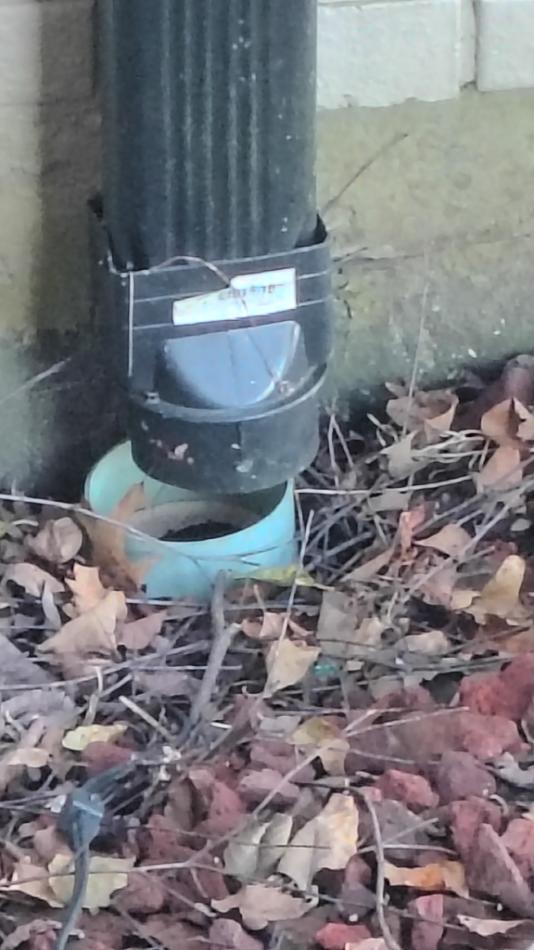
We found a downspout disconnected where it met the drain. That connection is supposed to carry roof runoff away from the house. We flagged it for reconnection and a check that water flows through the drain.
A roof valley full of debris
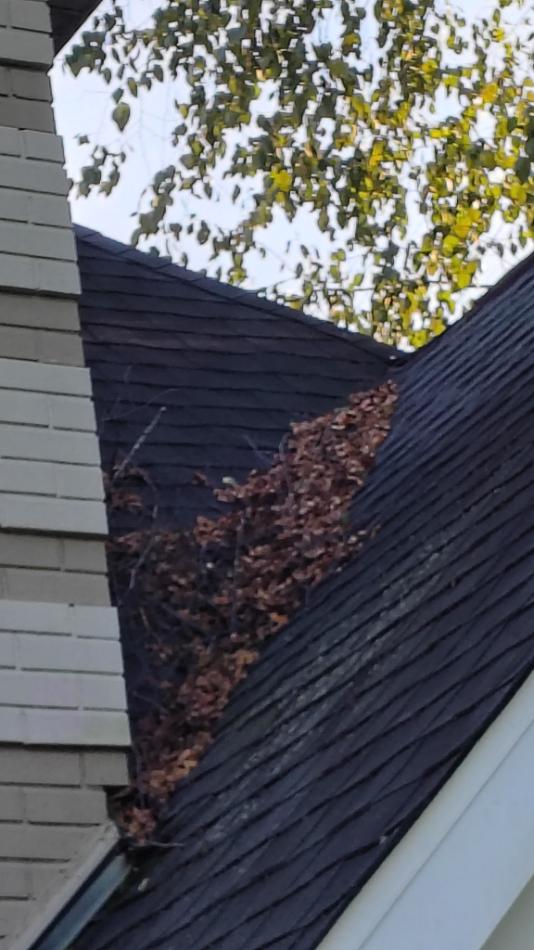
Leaves and organic debris collected where two roof slopes met. That valley carries runoff from both slopes. We flagged the buildup for clearing and a closer look at the roof beneath it.
Shingles lifting near a wall
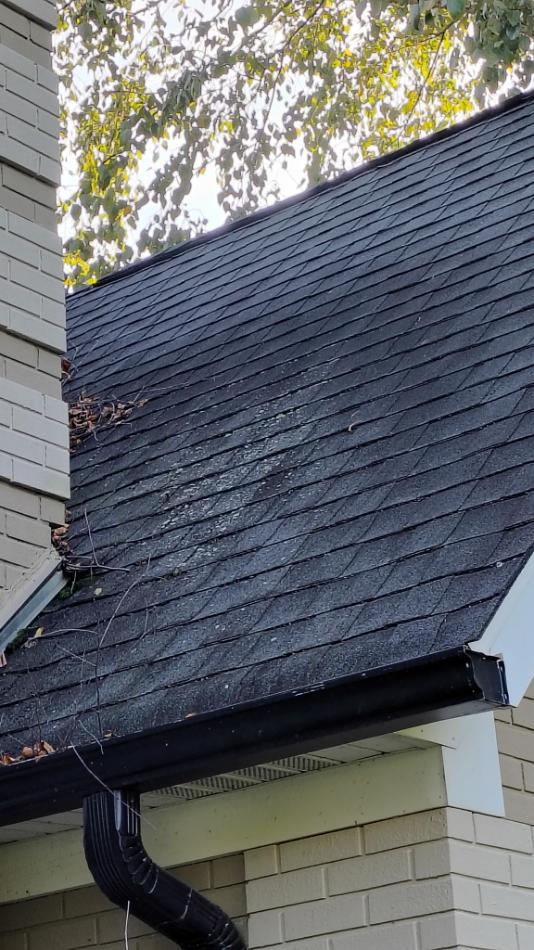
Several shingles near a wall transition appeared lifted or buckled. We documented their location because roof-to-wall transitions need to shed water reliably. We flagged the area for a roofer to assess.
Visible damage on a deteriorated roof
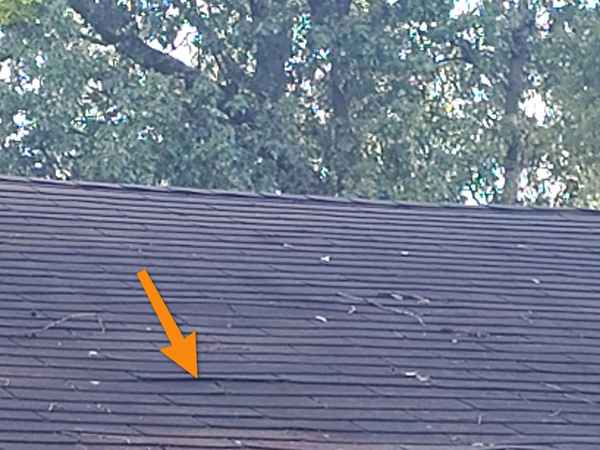
We documented damage on the shingle roof and flagged the surface as part of a broader roofing evaluation. The arrow marks the area shown in the report.
The location makes the observation useful
A photograph needs enough context to help the roofer find the affected area. It also needs a description that does not go beyond what was observed. A lifted shingle does not establish the condition of every shingle, and a disconnected downspout does not prove that it caused a particular foundation defect.
Confirm the work at the affected location
The recommendations called for clearing debris, repairing the identified drainage connection and having the roof defects evaluated. Where debris concealed part of a valley, the surface beneath it also needed attention after clearing. A buyer should be able to match the contractor's completed work to those locations instead of relying on a broad statement that the roof was serviced.
Related inspection insights
For related context, read How Long Do Asphalt Shingles Really Last? and Commercial Roof Inspections and Drainage: Why Leaks Are Only Part of the Problem.
Learn more about our home inspection services and the way we document building conditions for buyers and property owners.
By Wesley Upchurch. This article draws on documented inspection observations and photographs. Images show conditions at the time of inspection; later repairs are not established unless stated. Property addresses and client details are omitted.