
TL;DR:
- Scheduling a warranty inspection near the 11-month mark helps identify defects the builder must repair before coverage expires. It covers structural, mechanical, and workmanship issues, producing a structured punch list for warranty claims. Proper preparation and timing maximize builder accountability and protect your investment in the new home.
A new home warranty inspection is a targeted evaluation performed near the end of your builder’s warranty period to identify defects the builder is obligated to repair before coverage expires. Most homebuyers schedule this inspection around the 11-month mark, just before the standard 12-month workmanship warranty closes. The inspection covers structural components, mechanical systems, and interior finishes, and a thorough report can identify 30 to 80 specific repair issues eligible for builder correction. That number surprises most people. Missing this window means paying out of pocket for repairs that should have been the builder’s responsibility.
What is covered in new home warranty inspections?
Builder warranties follow a tiered structure, and understanding those tiers tells you exactly what the inspector is looking for. Coverage periods are standardized across most new construction warranties: one year for workmanship and materials, two years for mechanical systems, and up to ten years for structural integrity. Each tier carries different defect types and different urgency levels.

Structural components (coverage up to 10 years)
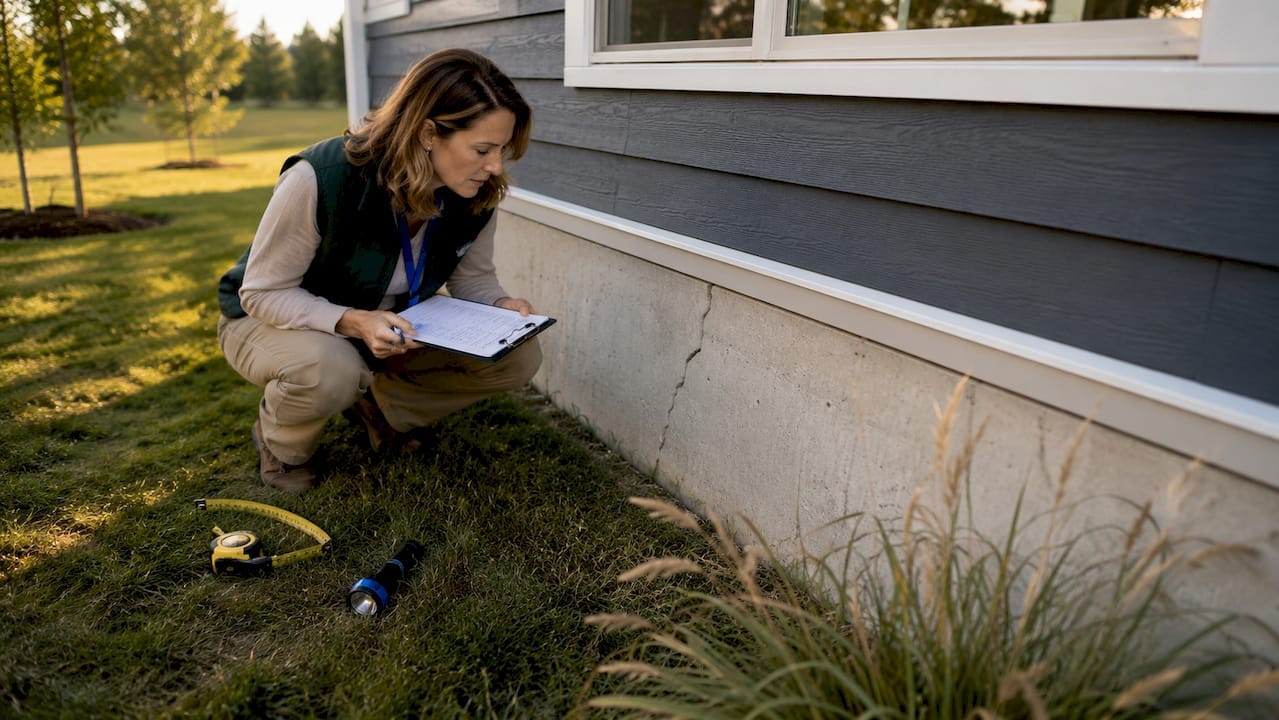
Structural coverage is the longest and most consequential tier. Inspectors evaluate the foundation for settlement cracks, horizontal movement, or signs of differential shifting. Framing, load-bearing walls, beams, and roof trusses fall under this category as well. In the Mid-South, where expansive clay soils are common, foundation movement can appear subtly in the first year and worsen quickly without documentation. A crack that looks cosmetic may signal something worth flagging to the builder before the structural warranty period is the only protection you have left.
Mechanical systems (coverage 1–2 years)
Plumbing, electrical, and HVAC systems are covered under the two-year mechanical tier. Inspectors check supply and drain lines for leaks, verify electrical panel labeling and breaker function, and test HVAC performance including airflow, temperature differential, and filter housing condition. These systems fail in ways that are not always visible. Thermal imaging and moisture meters detect wall leaks and insulation voids that a visual check alone would miss entirely. That technology matters when a slow plumbing drip has been soaking wall cavities for months without showing any surface staining.
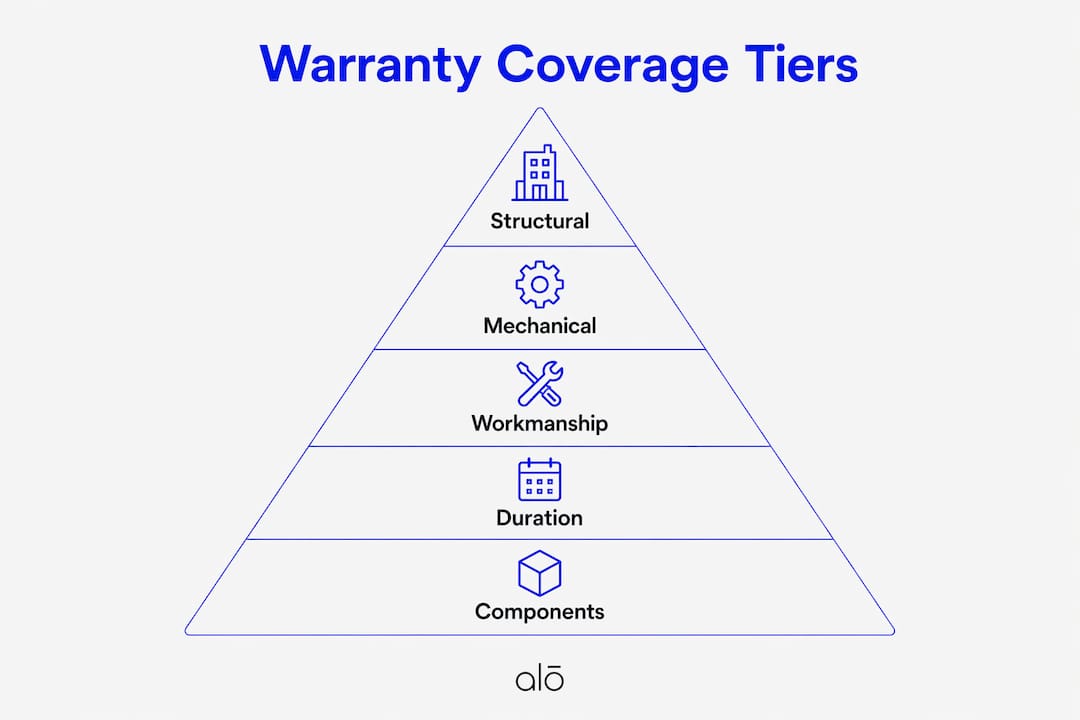
Workmanship and materials (coverage year 1)
This is the most time-sensitive tier. Year-one coverage includes drywall finishing, paint, trim, doors, windows, cabinetry, countertops, and flooring. Inspectors look for nail pops, tape ridges, gaps at trim joints, sticky or misaligned doors, and window seals that have failed. Exterior workmanship items include siding installation, caulking at penetrations, gutter attachment, and grading around the foundation. The table below summarizes the full coverage structure.
| Coverage Tier | Duration | Components Covered |
|---|---|---|
| Workmanship and Materials | Year 1 | Drywall, paint, trim, doors, windows, flooring, cabinetry, siding, caulking |
| Mechanical Systems | Years 1–2 | Plumbing, electrical, HVAC |
| Structural Integrity | Years 1–10 | Foundation, framing, load-bearing walls, roof structure |
Pro Tip: Review your specific builder warranty document before the inspection. Some builders use third-party warranty providers like 2-10 Home Buyers Warranty or Residential Warranty Corporation, and the exact exclusions vary by provider.
How does a warranty inspection differ from a general home inspection?
A standard pre-purchase inspection and a warranty inspection share some tools and methods, but they serve different purposes and produce different reports. A pre-purchase inspection gives a buyer a broad picture of a home’s condition at the time of sale. A warranty inspection focuses specifically on workmanship quality, installation correctness, and defects that fall within the builder’s repair obligations.
The reporting format reflects that difference. General inspection reports follow a narrative or checklist structure describing conditions and safety concerns. Builder warranty claims require a formal punch list that includes item number, location, defect description, severity rating, and photo documentation. That format is not optional. Builders and their warranty portals expect structured submissions, and a narrative report often gets rejected or ignored.
Timing is the other critical distinction. Scheduling near the warranty expiration maximizes builder accountability because defects that appear in month ten are still fresh and clearly within the coverage window. Waiting until month thirteen means you are negotiating goodwill repairs instead of enforcing a contractual obligation.
- Warranty inspections target builder repair obligations, not general habitability
- Reports are formatted as punch lists, not narrative condition summaries
- Advanced tools like thermal cameras catch hidden defects a visual check misses
- Timing near the 11-month mark is deliberate and strategically important
- Warranty inspections emphasize workmanship quality and installation correctness above all else
Pro Tip: Ask your inspector whether their report format is compatible with your builder’s warranty submission portal before you book. Not all inspection companies produce builder-ready punch lists.
What defects do inspectors commonly find, and when?
The defect timeline follows the coverage tiers closely. Knowing what to expect at each stage helps you recognize problems before they become your financial responsibility.
Year 1 Defects (Workmanship and Materials)
- Drywall cracks, nail pops, and tape ridges at seams
- Trim gaps at corners, door casings, and baseboards
- Sticky or binding doors and windows due to framing settlement
- Paint touch-up failures and finish inconsistencies
- Caulking voids at tubs, showers, and exterior penetrations
- Cabinet door misalignment and drawer track failures
- Flooring gaps, squeaks, or loose tile grout
Years 1–2 Defects (Mechanical Systems)
Common mechanical defects include plumbing drips at supply connections, slow drains from improper slope, HVAC systems that fail to maintain temperature differential, and electrical breakers that trip under normal load. These issues often develop gradually. A plumbing connection that was tight at move-in may loosen as the house settles and pipes shift.
Years 1–10 Defects (Structural)
Structural concerns include foundation cracks wider than a credit card, horizontal cracking in block or poured walls, stair-step cracking in brick veneer, and roof truss movement. Exterior grading that has settled away from the foundation and directs water toward the slab also falls into this category, since it contributes directly to long-term structural risk.
| Defect Type | Coverage Tier | Typical Cause |
|---|---|---|
| Drywall cracks, nail pops | Year 1 | Normal framing settlement |
| Sticky doors and windows | Year 1 | Frame movement or improper installation |
| Plumbing drips | Years 1–2 | Connection loosening during settlement |
| HVAC performance issues | Years 1–2 | Improper sizing or installation |
| Foundation cracks | Years 1–10 | Soil movement, drainage problems |
Pro Tip: Photograph every defect you notice from move-in day forward. Builders may deny claims for damages they attribute to homeowner activity. Clear documentation is your strongest defense against that argument.
How to prepare for a home warranty inspection
Preparation directly affects how thorough and useful your inspection report will be. Inspectors work efficiently when homeowners have already organized their observations and communicated them in advance.
- Keep a running defect log. From move-in day, write down every issue you notice, including the date you first observed it and where it is located. Sharing this list with your inspector improves focus and ensures nothing gets overlooked.
- Read your builder warranty document. Know which systems are covered, what the exclusions are, and how to submit claims. Some builders require written notice within a specific timeframe after defects are identified.
- Schedule at the right time. Book your inspection between months 10 and 11. That window gives you time to receive the report, review it, and submit your warranty claim before the 12-month deadline closes.
- Clear access to all systems. Make sure the inspector can reach the attic hatch, electrical panel, HVAC equipment, water heater, and crawl space if applicable. Blocked access means missed defects.
- Communicate known concerns beforehand. If you have noticed a specific area of concern, tell the inspector before the inspection begins. A good inspector will spend additional time there and document it thoroughly.
A well-prepared home inspection warranty checklist submitted to your builder carries far more weight than a verbal complaint. Builders respond to organized, documented claims. They push back on vague ones.
Pro Tip: Be present during the inspection. Walking through the home with the inspector lets you ask questions in real time and understand which defects are cosmetic and which ones carry real risk.
Key takeaways
A new home warranty inspection is the single most time-sensitive inspection a homebuyer can schedule, and missing the 11-month window means losing the right to enforce builder repairs at no cost.
| Point | Details |
|---|---|
| Three-tier coverage structure | Builder warranties cover workmanship for year 1, mechanical systems for years 1–2, and structural elements for up to 10 years. |
| Inspection scope is broad | A thorough warranty inspection can identify 30–80 specific defects eligible for builder repair across all covered systems. |
| Report format matters | Builders require structured punch lists with photos and severity ratings, not narrative inspection reports. |
| Timing is strategic | Scheduling at month 10 or 11 maximizes builder accountability and leaves time to file claims before the deadline. |
| Preparation improves results | Sharing a running defect log with your inspector before the inspection increases thoroughness and strengthens your warranty claim. |
What i’ve learned after inspecting hundreds of new homes
The homebuyers who get the most out of warranty inspections are the ones who treat it like a business transaction, not a formality. Builders are running a business too. They will honor clear, documented claims. They will delay or deny vague ones.
The most common mistake I see is homeowners waiting until month 12 to schedule, then scrambling to find an inspector and submit a claim in the same week. That rush produces incomplete reports and missed defects. The highest-ROI inspection a new homeowner can schedule is the 11-month warranty inspection, and it only delivers full value when it is planned ahead of time.
The second mistake is treating every defect as equally urgent. Drywall nail pops and a sticky closet door are not the same category of concern as a foundation crack or an HVAC system that cannot hold temperature. Separating cosmetic from structural concerns helps you set realistic expectations and focus your builder negotiations on what actually matters. Builders will sometimes offer to fix cosmetic items as a concession while avoiding the harder mechanical or structural repairs. Do not let that happen.
Finally, choose an inspector who has specific experience with new construction. The defect patterns in a two-year-old house are different from those in a twenty-year-old house. An inspector who primarily works resale homes may not recognize the workmanship standards your builder was held to, or know how to document defects in a format the builder’s warranty team will accept.
— Holly
Schedule your warranty inspection before the clock runs out
Upchurchinspection serves homebuyers across the Mid-South with warranty inspections that go beyond a basic checklist. Our inspectors produce builder-ready punch lists with photo documentation, defect severity ratings, and location details formatted for warranty portal submission. We use thermal imaging and moisture detection equipment to find defects that a visual check alone will not catch. If you are approaching the end of your first year in a new home, now is the time to act. Learn more about the benefits of professional inspections and how a thorough report protects your investment. You can also explore real inspection report examples to understand exactly what a builder-ready document looks like.
FAQ
What does a new home warranty inspection cover?
A new home warranty inspection covers workmanship and materials in year one, mechanical systems including plumbing, electrical, and HVAC in years one through two, and structural components for up to ten years. Inspectors evaluate all major systems and produce a punch list of defects the builder is obligated to repair.
When should i schedule a new home warranty inspection?
Schedule your inspection between months 10 and 11 after move-in. This timing gives you enough time to receive the report and submit your warranty claim before the standard 12-month workmanship coverage expires.
How is a warranty inspection different from a regular home inspection?
A warranty inspection focuses on builder workmanship defects and produces a structured punch list formatted for warranty claims. A standard home inspection provides a broader condition assessment and is not designed to enforce builder repair obligations.
Can a builder deny my warranty claim?
Yes. Builders may deny claims for damages attributed to homeowner activity or normal wear and tear. A professional inspection report with photo evidence and clear defect descriptions significantly reduces the likelihood of denial.
Do i need a professional inspector for a warranty inspection?
A professional inspector using thermal imaging and moisture meters will find defects that are invisible to untrained eyes. Attempting a self-inspection risks missing hidden issues and producing a report that does not meet the builder’s submission requirements.