TL;DR:
- A homebuyer inspection checklist guides buyers through evaluating key property systems before purchase to assess risks.
- Attending the inspection helps buyers understand findings, prioritize safety issues, and negotiate confidently.
A homebuyer inspection checklist is a practical roadmap that guides you through evaluating a property’s key systems and structures before you commit to a purchase. In 2025, with repair costs rising and inventory still tight in markets like Memphis and West Tennessee, skipping or rushing this step carries real financial risk. Standards set by ASHI (American Society of Home Inspectors) and InterNACHI (International Association of Certified Home Inspectors) define what a thorough inspection covers. This guide walks you through every major area, explains what findings mean, and tells you how to use the results at the negotiating table.
What are the key areas covered in a homebuyer inspection checklist?
A standard home inspection covers nine major categories. Each one carries its own risk profile, and understanding them before you walk through the door helps you know what to watch for.
- Exterior envelope and grounds. Inspectors check siding condition, grading (the slope of soil away from the foundation), drainage patterns, walkways, and driveways. Poor grading is one of the most common contributors to basement and crawlspace moisture problems.
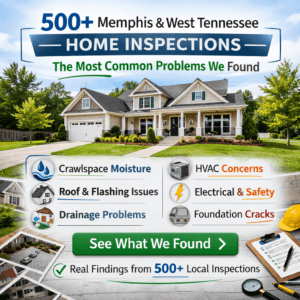
- Roof. Shingles, flashings, gutters, downspouts, and attic ventilation all get evaluated. Roof problems appear in 70% of inspections, making this the single most frequently flagged system.
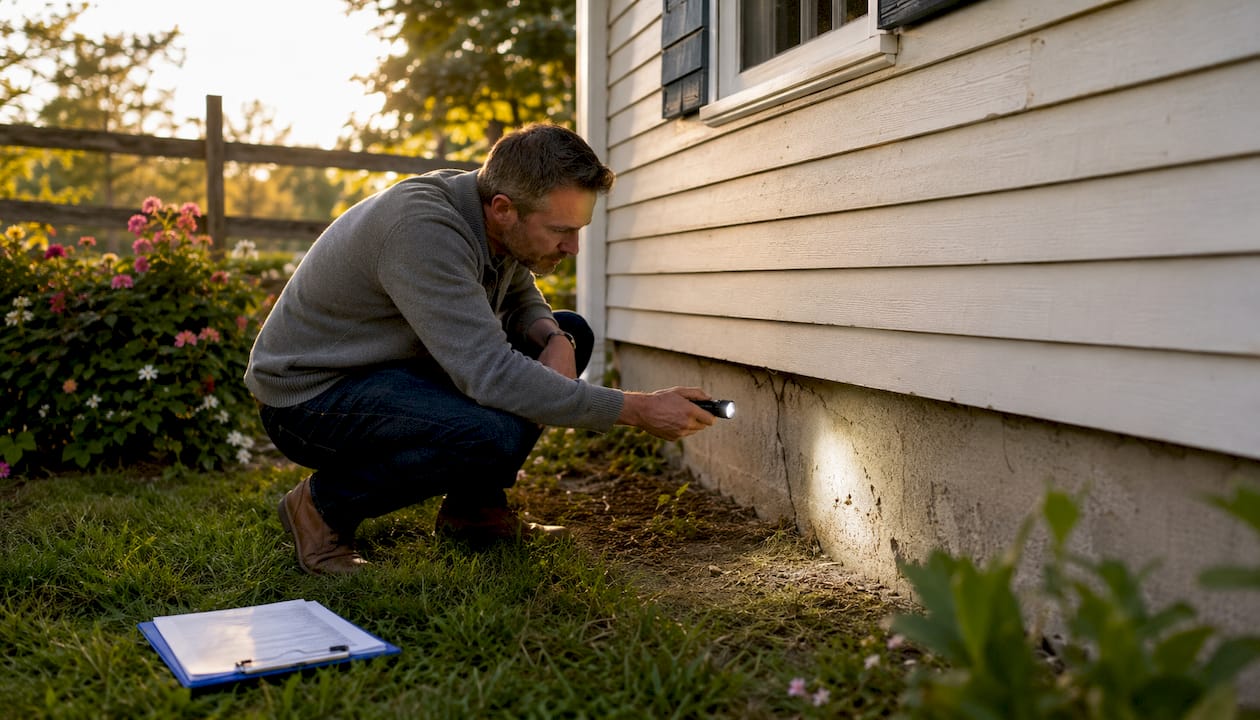
- Foundation and structure. Inspectors look for cracks, settlement patterns, and signs of water intrusion at the base of the home. Not every crack is structural, but pattern and width matter.
- Plumbing. Supply lines, waste pipes, fixtures, and the water heater are all checked. Age and material type (galvanized, copper, PEX) tell the inspector a lot about remaining service life.
- Electrical. The panel, wiring type, grounding, and GFCI outlet placement are evaluated against current safety standards. Older homes in Memphis frequently show aluminum branch wiring or double-tapped breakers, both of which require attention.
- HVAC. Heating and cooling units, ductwork, and filters are inspected for function and approximate age. A unit near the end of its service life is a negotiating point, not a deal-breaker.
- Interior components. Walls, ceilings, floors, windows, doors, and basic appliance function are all part of the standard scope.
- Attic and insulation. Insulation type, depth, and attic ventilation are checked. Inadequate ventilation causes moisture buildup and shortens roof sheathing life.
- Basement and crawlspace. Moisture staining, standing water, wood rot, and pest evidence are the primary concerns here.
Pro Tip: Ask your agent to confirm that all utilities will be active on inspection day. A water shutoff during inspection prevents proper plumbing testing and creates costly blind spots after closing.
What do common inspection findings mean for buyers?
86% of inspections uncover issues, and defects commonly lead to repairs in the $5,000–$15,000 range. That figure covers a wide range of severity, so knowing how to read the findings matters as much as having them.
“Home inspectors focus on significant, unsafe, or near end-of-life items, not cosmetic flaws. A cracked outlet cover is not the same problem as a panel with double-tapped breakers.”
The table below separates common findings by category and explains their practical implications.
| Finding | Category | Buyer implication |
|---|---|---|
| Missing or damaged roof shingles | Safety/structural | Negotiate repair or credit; get a roofer’s estimate |
| Foundation crack with horizontal displacement | Structural | Requires structural engineer review before proceeding |
| Double-tapped breakers or aluminum wiring | Safety/electrical | Electrician evaluation required; negotiate correction |
| Active plumbing leak under sink | Maintenance | Low cost; confirm no hidden water damage behind wall |
| Peeling interior paint | Cosmetic | No negotiation value; address after closing |
| HVAC unit over 15 years old | End of life | Factor replacement cost into offer or request credit |
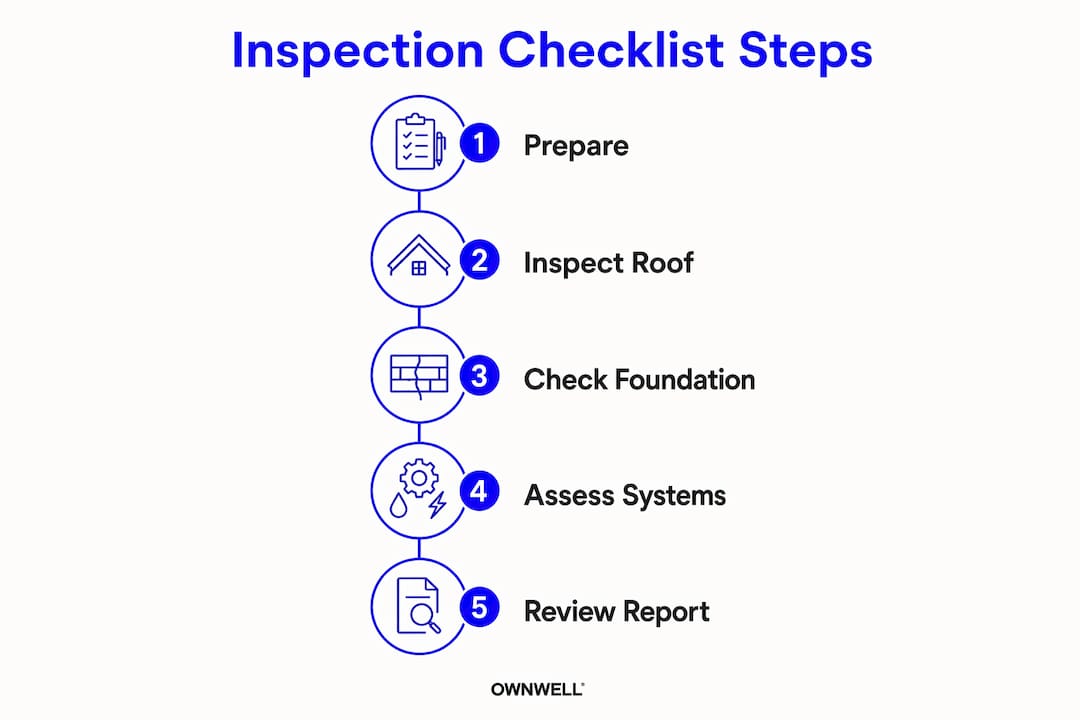
Inspectors focus on safety hazards and near-end-of-life systems, not surface-level flaws. That distinction matters when you sit down to negotiate. Buyers who demand credits for every cosmetic item risk losing goodwill and, in competitive markets, the deal itself. Prioritize negotiation on safety hazards and structural or mechanical failures. Minor cosmetics are your problem to fix after closing.
Specialized inspections become necessary when the standard inspection raises a flag. Mold assessments, radon testing, and sewer scoping are not part of every inspection but are worth ordering when the inspector notes moisture intrusion, an older cast-iron sewer line, or a home in a radon-prone area.
Pro Tip: Understanding the difference between cosmetic and structural problems before the inspection helps you stay calm when the report arrives and focus on what actually affects your investment.
How should you prepare for and attend your home inspection?
Preparation before inspection day is not optional. A few practical steps protect you from missing critical information.
- Confirm utilities are active. Water, gas, and electricity must be on. A seller who turns off water before inspection prevents proper plumbing testing.
- Clear access to key systems. The electrical panel, water heater, attic hatch, and crawlspace entry should all be accessible. Blocked access means the inspector cannot evaluate those areas.
- Gather available documents. Seller disclosures, prior inspection reports, and any permits for recent work give the inspector useful context.
- Arrive for the final 30–60 minutes. Standard inspections run 2–4 hours, and the last portion is when inspectors typically walk buyers through findings in person. That conversation is more valuable than reading the report alone.
- Ask specific questions. “How urgent is this?” and “What would you do if this were your house?” are more useful than general questions about condition.
Being present at the inspection gives you a clearer sense of severity than any written report can convey. An inspector pointing at a crack and explaining why it is or is not a concern lands differently than reading a paragraph about it later. Knowing what questions to ask your inspector before you arrive makes that conversation more productive.
Inspection reports typically arrive within 24–48 hours. Read them with a highlighter and separate findings into three groups: safety and structural concerns, mechanical systems near end of life, and cosmetic or maintenance items. That sorting exercise tells you exactly what to bring to your agent.
Pro Tip: Review the inspection report reading process before your report arrives. Buyers who understand report structure make faster, better decisions.
What specialized inspections go beyond the standard checklist?
The standard inspection is a generalist evaluation. Certain conditions, property ages, or locations require a specialist to go deeper.
- Radon testing. Radon is a colorless, odorless gas that accumulates in basements and lower levels. Testing is inexpensive and takes 48–72 hours. Elevated levels require mitigation, which is a negotiable repair.
- Mold assessment. Visible mold or moisture staining in the inspection report warrants a dedicated mold assessment. An inspector can note the presence of suspect material, but a certified industrial hygienist quantifies the scope and species.
- Sewer scope. A camera run through the main sewer line reveals root intrusion, pipe collapse, or offset joints. Older homes with clay or cast-iron lines are the primary candidates. Sewer repairs in Memphis can run into thousands of dollars and are not visible during a standard inspection.
- Structural engineer review. When the inspector flags foundation movement, horizontal cracking in block walls, or sagging roof lines, a licensed structural engineer provides the definitive evaluation. The inspector identifies the concern; the engineer defines the solution.
- Pest inspection. Termite and wood-destroying organism inspections are often required by lenders in the South. Even when not required, they are worth ordering given the climate.
Specialty inspections like radon, mold, and sewer scoping are triggered by findings or property characteristics, not ordered by default on every home. A specialized inspection adds $150–$600 per test but can prevent far larger surprises after closing. The findings from these reports feed directly into your repair requests and, in some cases, your decision to walk away.
Key Takeaways
A thorough home inspection is the single most effective tool a buyer has for identifying real risk before closing.
| Point | Details |
|---|---|
| Attend the inspection in person | The final 30–60 minutes of the inspection gives you direct access to the inspector’s findings. |
| Prioritize safety and structural issues | Focus repair negotiations on hazards and failing systems, not cosmetic defects. |
| Confirm utilities are active | Water, gas, and electricity must be on for a complete and accurate evaluation. |
| Order specialty tests when warranted | Radon, mold, sewer scope, and structural reviews protect against costly post-closing surprises. |
| Read the report before negotiating | Sorting findings into safety, mechanical, and cosmetic categories clarifies your negotiation position. |
What experienced inspectors know that most buyers don’t
The inspection report is not a repair list. That is the most common misread I see buyers make. A 40-page report with 60 findings does not mean the house is falling apart. It means the inspector did their job. The question is which of those 60 items actually affects your safety, your wallet, or the long-term value of the home.
The second thing buyers miss is the danger of waiving inspections in hot markets. I understand the pressure. Sellers in competitive Memphis neighborhoods sometimes push back on inspection contingencies. But waiving the inspection to win a bid is trading a known cost (the inspection fee) for an unknown one that could be five or six figures. That is not a trade worth making on a property you have not evaluated.
What I tell buyers is this: use the inspection to understand the house, not to find reasons to renegotiate everything. Overly aggressive repair demands for minor issues risk collapsing a deal that was otherwise sound. Focus on the items that a reasonable seller would recognize as legitimate concerns. Safety hazards, systems at end of life, and active water intrusion are the three categories worth fighting for. Peeling paint and dated fixtures are not.
The buyers who navigate this process best are the ones who show up, ask direct questions, and leave with a clear picture of what they are buying. That clarity is worth more than any checklist.
— Holly
Upchurchinspection’s role in your 2025 home purchase
Upchurchinspection serves homebuyers across the Mid-South with residential inspections that go beyond a basic walkthrough. Every report details the condition of major systems, including plumbing, electrical, HVAC, and structural components, with clear explanations of what each finding means and what it does not mean. Inspectors at Upchurchinspection hold qualifications that exceed Tennessee state standards, and they stay on site to walk buyers through findings before leaving the property. For buyers who need specialty evaluations, Upchurchinspection coordinates those referrals as well. Learn more about the value of thorough inspections and how a detailed evaluation protects your investment from day one.
FAQ
What does a homebuyer inspection checklist cover?
A homebuyer inspection checklist covers the roof, foundation, plumbing, electrical, HVAC, exterior, interior components, attic, and basement or crawlspace. It follows standards set by ASHI and InterNACHI to define minimum inspection scope.
How long does a home inspection take?
Standard home inspections take 2–4 hours depending on property size and age. Buyers should plan to arrive for the final 30–60 minutes to review findings directly with the inspector.
How much does a home inspection cost in 2025?
A standard single-family home inspection costs between $343 and $414, with larger or older homes running higher. Specialized tests like radon or mold assessments add $150–$600 per test.
Should I attend my home inspection?
Attending the inspection gives you a clearer understanding of finding severity than reading the report alone. Buyers who are present ask better questions and negotiate with more confidence.
When do I need a specialty inspection beyond the standard checklist?
Specialty inspections are warranted when the standard inspection flags moisture intrusion, an aging sewer line, foundation movement, or visible mold. Property age, location, and lender requirements also trigger specific tests like radon or pest inspections.