INSPECTION FINDINGS · FROM OUR INSPECTION RECORDS
Rust becomes more useful as an inspection observation when we identify where it is and what surrounds it. Our records include heavy corrosion in a furnace burner compartment, corrosion on a furnace gas-line assembly, a corroded furnace or pan area and moisture-related deterioration around commercial mechanical-room components. These photographs describe conditions that warranted further evaluation, not an automatic diagnosis of the same failure in every system.
The equipment in one report had a damaged identification label, which limited the information readable directly from the unit. The report separately documented the corrosion and recommended HVAC evaluation. That is a good example of keeping the visible condition distinct from questions about age and service history.
Photographs and documented observations
Corrosion around mechanical-room connections
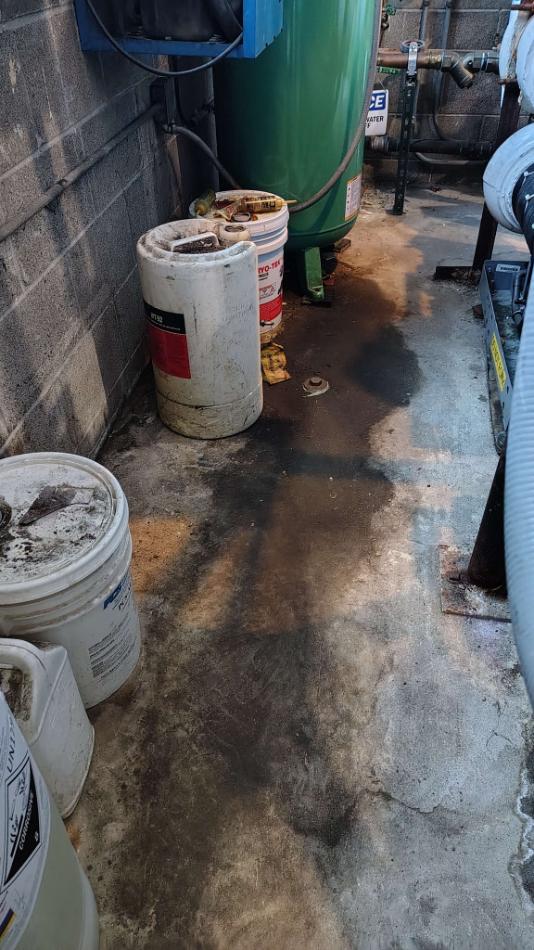
A church campus mechanical room had corrosion and staining at accessible piping and equipment. We documented the affected components and recommended evaluating the source and extent of moisture exposure.
Heavy rust inside the furnace burner compartment
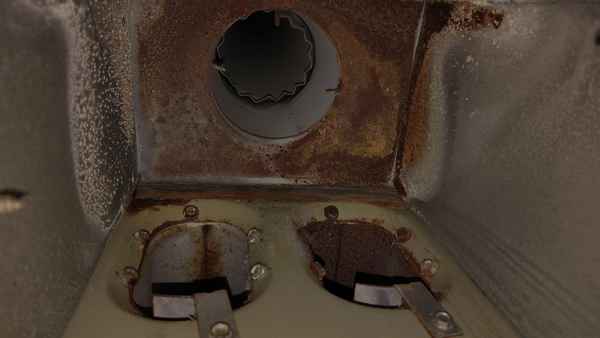
We found significant rust and scale at the burner assembly and nearby metal surfaces. The deterioration was visible only after looking into the equipment. We recommended an HVAC contractor evaluate the burners and service or repair the unit as needed.
Heavy corrosion on a furnace gas line
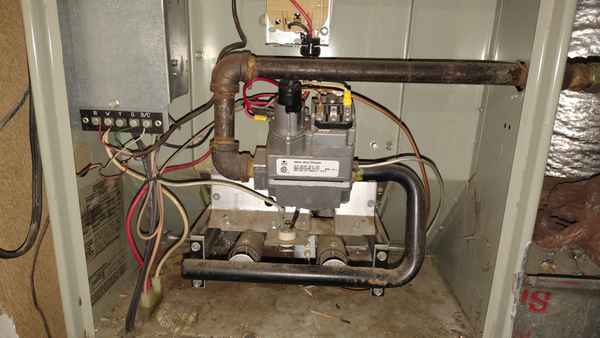
At a medical office inspection, we found heavy surface corrosion on sections of the furnace gas supply piping. We documented the condition and recommended professional evaluation of the affected piping.
Heavy corrosion inside the heating assembly
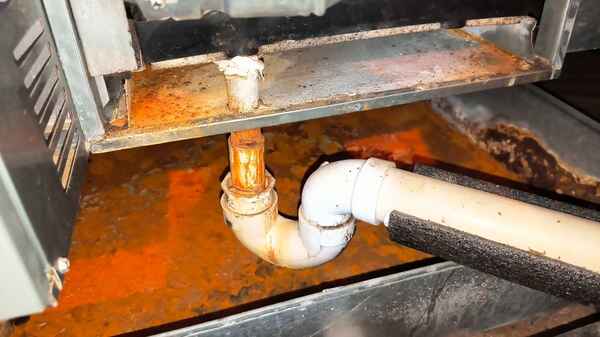
Opening the equipment exposed substantial corrosion around the furnace and pan area. We documented the deterioration and recommended evaluation by an HVAC contractor.
A functioning system can still need investigation
Whether equipment starts is only one part of its condition. Corrosion can be visible at a component even when a short operational check does not reveal the full consequence. The photos do not establish remaining metal thickness, the condition inside a heat exchanger or the source of every stain. Those questions require the appropriate contractor's assessment.
Ask what the corrosion affects
The original recommendations focused on the source and extent of deterioration and the condition of the affected assembly. For commercial owners, that information helps separate a localized service item from a larger repair or replacement decision. The inspection record gives the contractor a specific starting point instead of relying on a broad description that the equipment looks old.
Related inspection insights
For related context, read Deferred Maintenance vs. Active Failure: Why the Difference Matters More Than You Think and Office Building Inspections: Systems That Matter More Than Square Footage.
Learn more about our home inspection services and the way we document building conditions for buyers and property owners.
By Wesley Upchurch. This article draws on documented inspection observations and photographs. Images show conditions at the time of inspection; later repairs are not established unless stated. Property addresses and client details are omitted.