
INSPECTION FINDINGS · FROM OUR INSPECTION RECORDS
Some of the more memorable findings in our reports came from places that receive very little attention during a showing. We documented suspected termite tubes in damaged wood, traps and droppings below a sink, nesting material in an attic, a wasp nest at an electrical enclosure and a dead animal inside a wood stove. An older set of mud dauber nests was specifically identified as inactive. Those distinctions belong in the article as much as the photographs do.
These examples come from separate inspections. A nest is not automatically evidence of an active infestation, and suspected insect damage is not the same as a specialist's confirmation of species and treatment needs. The dead-animal finding is documented, but the record does not establish how the animal entered the stove.
Photographs and documented observations
Suspected termite tubes behind damaged wood
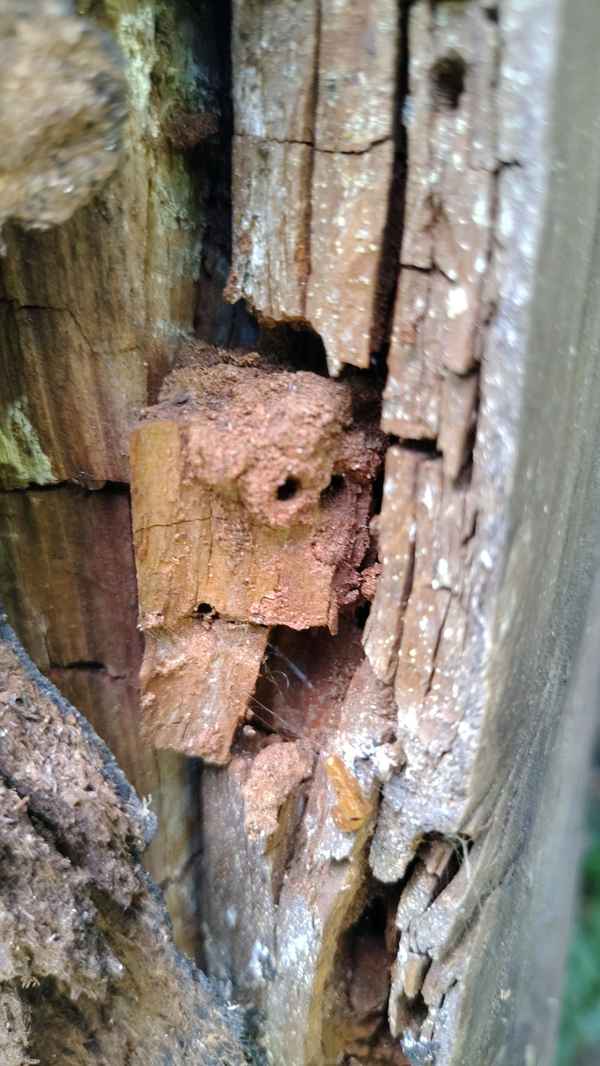
The report documented what appeared to be mud tubes near deteriorated wood. We flagged the finding for a wood-destroying insect specialist to evaluate.
Rodent traps and droppings under the sink
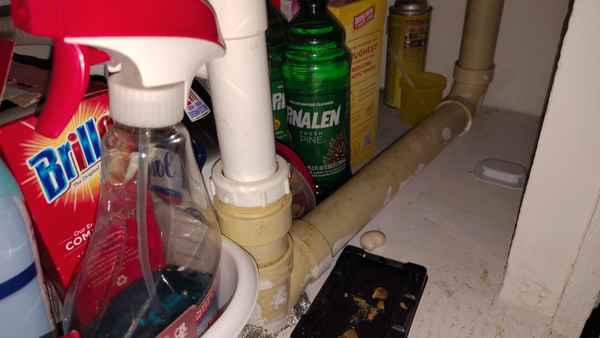
We found traps and droppings inside the kitchen sink cabinet. The report documented signs of past or active rodent activity and flagged the cabinet and openings around it for follow-up.
A dead animal inside a wood stove
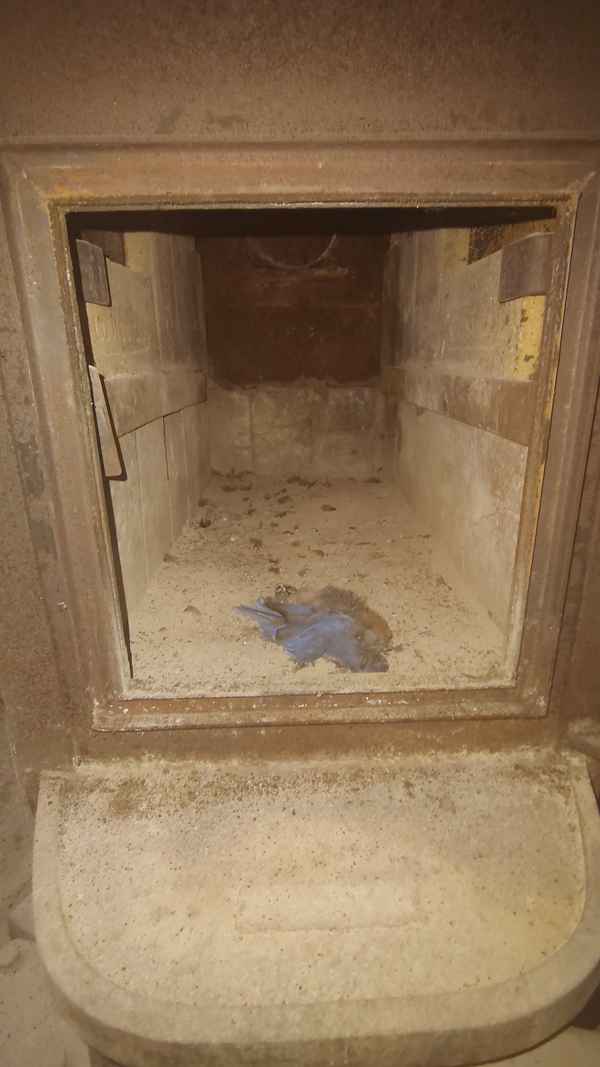
We opened the wood stove during a commercial inspection and found a dead animal inside. The report also noted corrosion and recommended evaluating the stove and how animals could get into the venting.
Nesting material hidden in the attic
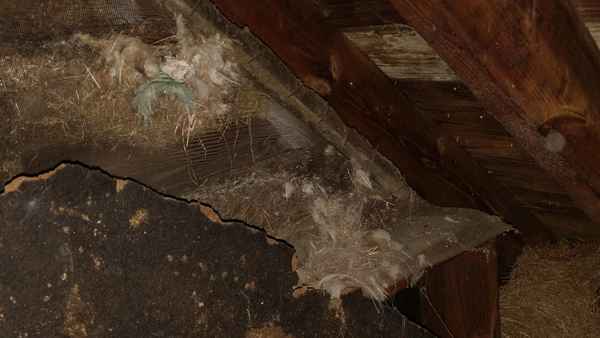
We found straw and organic debris consistent with a bird or squirrel nest in the attic. The report recommended qualified removal and identifying and sealing the entry points.
A wasp nest inside the electric meter enclosure
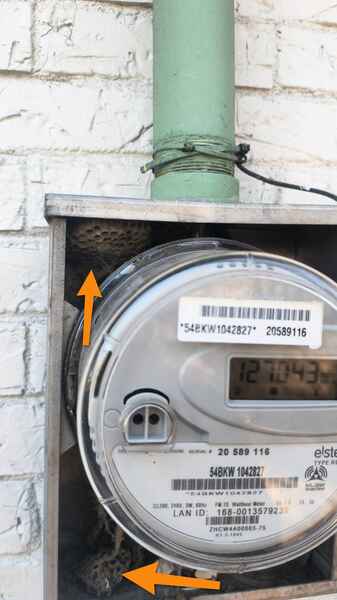
We found a wasp nest inside the electric meter enclosure. We recommended qualified removal and a check of the enclosure afterward.
Old mud nests attached to attic framing
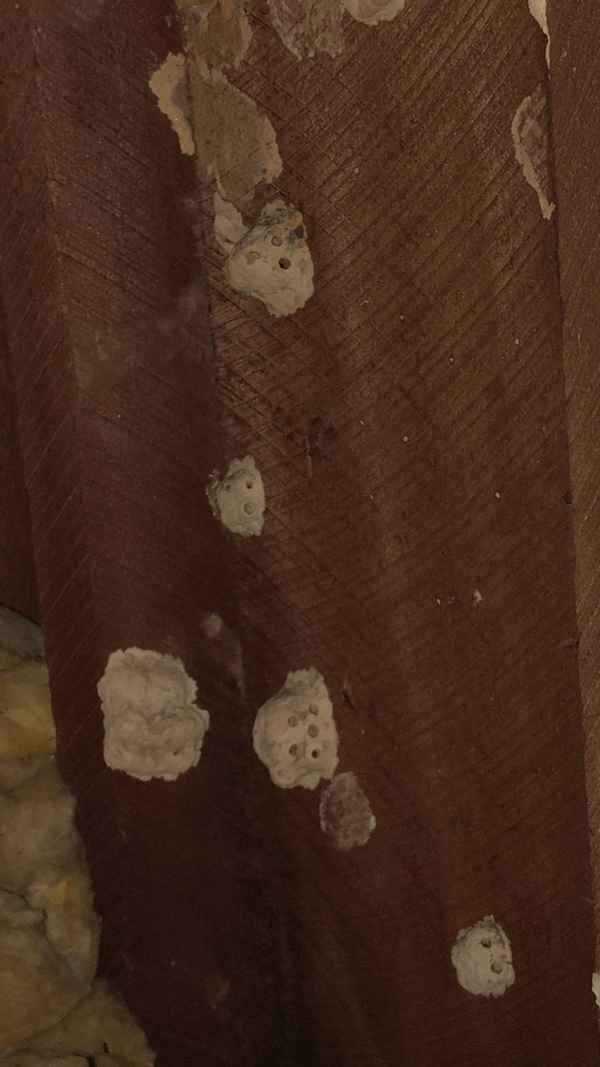
We documented hardened mud dauber nests on attic rafters and framing. The report identified them as inactive and recommended cleaning, removal, and monitoring for future activity.
Describe the evidence rather than the reaction
The photographs explain why the areas needed attention without assigning a story we cannot verify. At damaged wood, the follow-up needs to include the condition of the material as well as possible pest activity. At an electrical enclosure, access and corrective work need coordination with qualified personnel rather than casual removal by an occupant.
Follow up on the affected component
Pest evaluation, cleanup and repair may be separate parts of the response. A treatment receipt does not establish that deteriorated wood was restored, and removal of an animal does not establish that a stove and flue are ready for use. The report should keep those questions connected to the actual location and component photographed.
Related inspection insights
For related context, read Property Owners: Document Termite Mud Tubes to Protect Repair Budgets and Attic Inspection Checklist: 6 Field Tested Checks for Mid South Buyers.
Learn more about our home inspection services and the way we document building conditions for buyers and property owners.
By Wesley Upchurch. This article draws on documented inspection observations and photographs. Images show conditions at the time of inspection; later repairs are not established unless stated. Property addresses and client details are omitted.