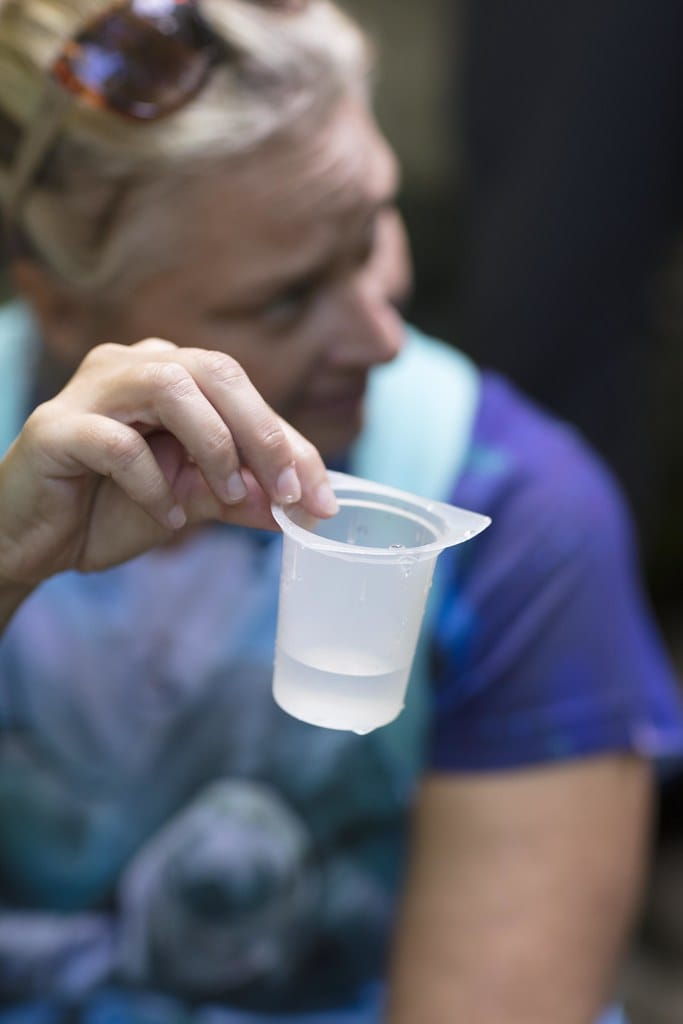
Water testing is often thought of strictly as a health-related service, but the results can also reveal a great deal about a home’s plumbing system. In many cases, water quality issues are closely tied to the condition, age, and materials of the plumbing itself.
During inspections across the Mid-South, water test results frequently help connect the dots between what is happening inside the pipes and what is coming out of the tap.
Water Quality and Plumbing Are Closely Connected
As water travels from its source to the faucet, it interacts with every component of the plumbing system along the way. The materials used, the age of the system, and the water’s chemistry all influence the final result.
Water testing can provide insight into:
- Corrosion inside pipes
- Deterioration of older plumbing materials
- Chemical interactions between water and fixtures
- Conditions that may affect both water quality and system longevity
In this way, testing often reflects not just the water itself, but the infrastructure delivering it.
Indicators of Aging or Deteriorating Plumbing
Certain test results are commonly associated with older or deteriorating plumbing systems. In established neighborhoods around Memphis, Jackson (TN), Cape Girardeau, and Elizabethtown, older piping materials are still encountered regularly.
Water testing may reveal:
- Lead or copper, sometimes linked to older pipes, solder, or fixtures
- Elevated iron, which can indicate corrosion in steel or cast-iron components
- Discoloration or sediment, suggesting pipe scaling or internal deterioration
These findings can help homeowners understand whether plumbing materials are contributing to water quality concerns.
What Bacteria Results Can Indicate
When water testing identifies bacteria—particularly in homes served by private wells—it often points to system vulnerabilities rather than a one-time contamination event.
Possible contributing factors include:
- Compromised well caps or seals
- Surface water intrusion
- Aging or improperly installed well components
- Plumbing cross-connections
In rural areas throughout Tennessee, Arkansas, Mississippi, and Kentucky, bacterial findings are often tied to well construction or maintenance issues rather than the water source alone.
Nitrates, Land Use, and System Integrity
Nitrates are another common test parameter, particularly for well water. Elevated nitrate levels can be associated with agricultural activity, fertilizers, or septic system influence.
From an inspection standpoint, nitrate results may suggest:
- Shallow well construction
- Inadequate separation from septic systems
- Surface runoff entering the water supply
While nitrates are primarily a health-related concern, their presence can also signal vulnerabilities in how water is being sourced and protected.
How Water Chemistry Affects Plumbing Longevity
Water that is highly acidic or corrosive can accelerate plumbing wear, even if it meets basic safety standards. Over time, this can lead to:
- Pinhole leaks
- Premature pipe failure
- Fixture damage
- Increased metal content in drinking water
In some Mid-South homes, water chemistry itself—rather than pipe age alone—plays a significant role in plumbing performance.
What Water Testing Does Not Do
Water testing provides valuable data, but it does not diagnose every issue. It does not:
- Confirm the exact location of plumbing defects
- Predict future system failures
- Replace a full plumbing evaluation
- Determine treatment methods on its own
Test results must be interpreted alongside inspection findings for a complete picture.
The Inspector’s Role in Interpreting Results
Inspectors do not prescribe medical advice or design treatment systems. Their role is to help clients understand:
- What the results suggest about the plumbing system
- Whether findings are consistent with observed conditions
- When further evaluation or professional consultation may be appropriate
This objective interpretation helps homeowners make informed decisions without overreacting to isolated data points.
Final Thoughts
Water testing often reveals more than just what is in the water—it can provide insight into the condition and performance of a home’s plumbing system. From aging pipes to well system vulnerabilities, test results frequently tell a broader story about the infrastructure behind the walls.
For homeowners and buyers throughout the Mid-South, understanding what water tests can reveal supports better planning, safer living conditions, and smarter long-term maintenance decisions.