TL;DR:
- Certified home inspectors conduct thorough, non-invasive inspections of visible home components and provide detailed reports. Their certification, ethics, and insurance standards ensure reliable evaluations that support negotiations and protect buyers financially. Attending the inspection offers valuable insight, while the report serves as a primary document for informed decision-making during real estate transactions.
Certified home inspectors are trained professionals who conduct detailed, impartial examinations of a property’s visible and accessible components to identify safety hazards, maintenance needs, and structural deficiencies. The role of certified home inspectors goes well beyond checking boxes on a clipboard. These inspectors follow established standards of practice set by organizations like ASHI (American Society of Home Inspectors) and InterNACHI (International Association of Certified Home Inspectors), producing reports that buyers, sellers, and real estate agents rely on to make informed decisions during high-stakes transactions. Understanding what certified inspectors do, how they are credentialed, and what you should expect from the process protects your investment before you sign anything.
What duties do certified home inspectors perform?
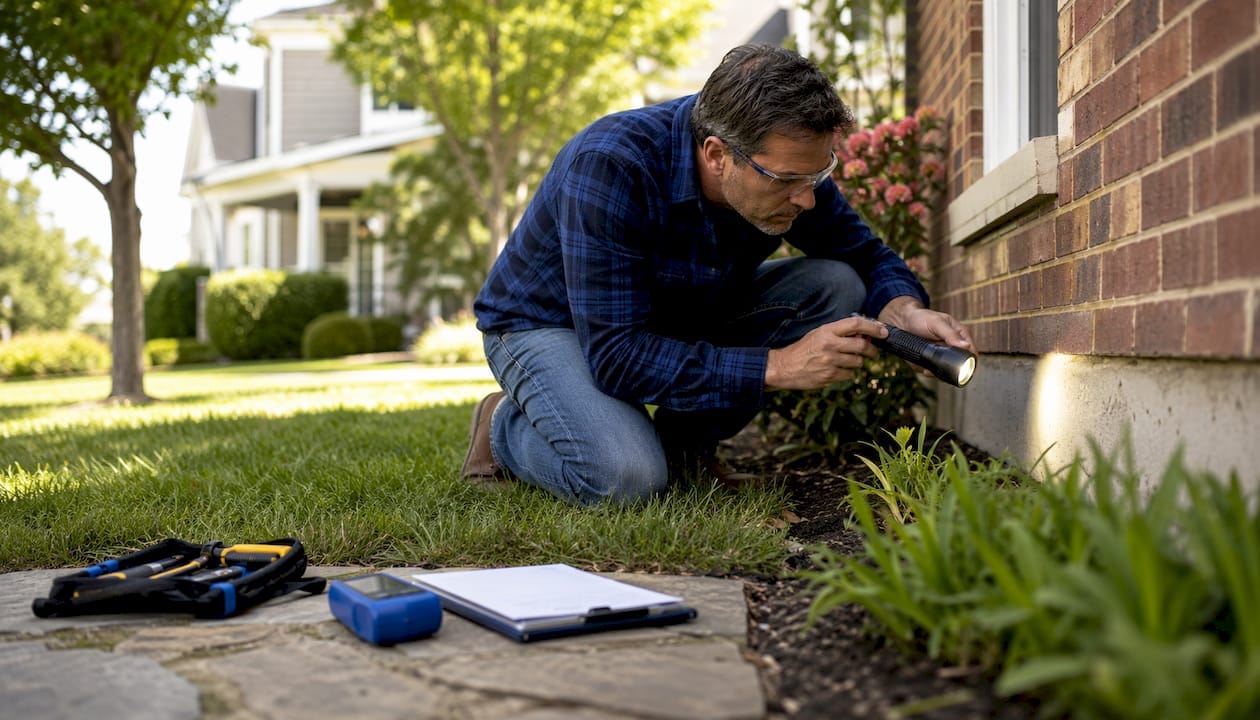
Certified home inspector duties center on a non-invasive visual examination of a property’s major systems and structural components. The inspector does not tear open walls or move furniture. Instead, they assess what is visible and accessible, then document conditions with photos and written findings.
A standard inspection covers:
- Roof: Shingles, flashing, gutters, and visible decking
- Foundation and structure: Visible framing, basement or crawlspace, signs of settlement or moisture intrusion
- Electrical system: Panel condition, wiring type, GFCI protection, and visible outlets
- Plumbing: Supply lines, drain function, water heater age and condition, visible pipe materials
- HVAC: Heating and cooling equipment operation, filter condition, ductwork
- Attic: Insulation levels, ventilation, and signs of moisture or pest activity
- Interior: Walls, ceilings, floors, windows, and doors for function and condition
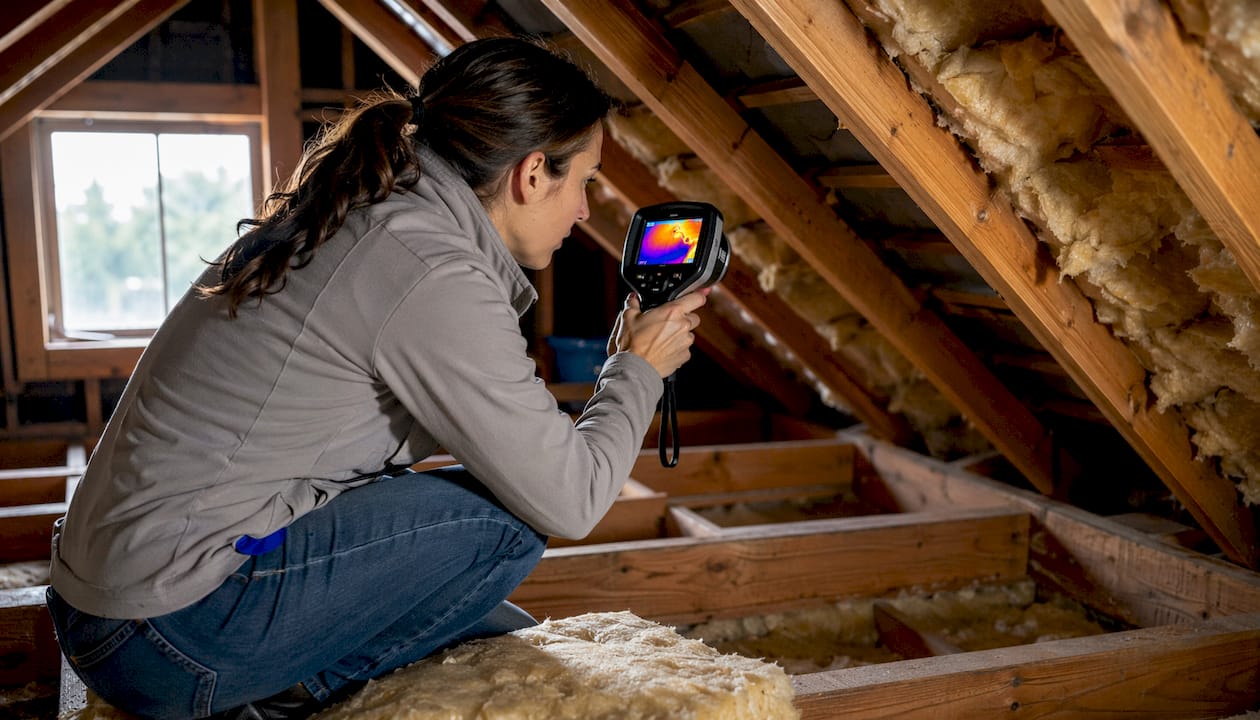
Inspectors also use specialized tools. Thermal cameras detect moisture behind walls without cutting drywall. Moisture meters confirm wet readings in wood framing or subfloor. These tools catch problems that a visual pass alone would miss.
Standard inspections require 2–4 hours on site, with more detailed inspections taking 4- 5 hours, especially if the inspector delivers reports on site. Ordinarily, reports are delivered within 24–48 hours after the inspection, but more complex properties can take longer. That timeline matters during escrow, when buyers typically have a 7–10-day window to review findings and decide whether to negotiate or walk away.
Pro Tip: Attend the inspection in person. The verbal walkthrough at the end is often more useful than the written report because the inspector can show you conditions directly and answer your questions on the spot.
Inspectors document everything but do not diagnose every problem. When they find signs of active moisture, structural movement, or electrical work that exceeds their scope, they refer you to a licensed specialist. That referral is not a failure. It is the inspector doing their job correctly.
How does certification affect inspector reliability?
Certification and licensing are not the same thing. Licensing is a state requirement that sets a minimum bar for legal practice. Certification goes further. It requires passing a national exam, completing ethics training, and maintaining continuing education throughout a career.
The National Home Inspector Examination (NHIE) is the primary credentialing exam used nationwide. Passing the NHIE, completing ethics coursework, and meeting ongoing education requirements confirm that an inspector understands both technical standards and professional conduct. Certification through ASHI or InterNACHI adds another layer. Both organizations publish codes of ethics that prohibit inspectors from performing repairs on properties they inspect, which eliminates a significant conflict of interest.
That conflict of interest matters more than most buyers realize. An uncertified inspector who also does contracting work has a financial incentive to find problems, whether real or exaggerated. A certified inspector operating under an ethics code has no such incentive. Their job is to report conditions accurately, not to generate repair business.
Certified inspectors typically carry errors and omissions insurance and general liability coverage to protect clients if a significant defect is missed. Insurance requirements vary by state but commonly include a minimum of $500,000 in coverage. That coverage gives you a legal recourse that an uninsured inspector cannot provide.
Pro Tip: Before booking, ask the inspector directly: “Are you certified through ASHI or InterNACHI, and do you carry E&O insurance?” A qualified inspector answers both questions without hesitation.
Inspectors who follow ASHI or InterNACHI standards produce reports that are defensible in negotiations and, when necessary, in legal proceedings. That defensibility is what separates a certified inspection from a walk-through opinion.
Why does hiring a certified inspector benefit buyers, sellers, and agents?
The financial case for hiring a certified inspector is straightforward. Costs of unseen structural or mechanical defects can reach tens of thousands of dollars, far outweighing the cost of an inspection. A standard inspection for a home between 1,000 and 2,000 square feet typically costs $300–$450. That is a small price relative to discovering a failing HVAC system, active roof leaks, or deteriorating foundation walls after closing.
For buyers, the report creates negotiation leverage. Here is how that leverage typically plays out:
- Request repairs: The buyer asks the seller to fix specific defects before closing.
- Request a credit: The buyer accepts the property as-is but negotiates a price reduction or closing cost credit to cover repair costs.
- Invoke the inspection contingency: If defects are severe enough, the buyer withdraws from the contract without losing their earnest money deposit.
- Accept the findings: The buyer proceeds with full knowledge of the property’s condition and plans accordingly.
For sellers, a pre-listing inspection removes uncertainty. Sellers who inspect before listing can price the property accurately, disclose known defects transparently, and avoid last-minute renegotiations that collapse deals. Agents benefit because reliable inspection documentation reduces the risk of post-closing disputes and supports smoother transactions.
Out-of-state and remote buyers gain particular value from certified inspections. When you cannot visit a property repeatedly before closing, a photo-rich report with severity ratings gives you a clear picture of what you are buying. Accredited inspectors produce reports that can run 60–100 pages with detailed photos and recommendations. Upchurch Inspection provides even more detail, with reports commonly ranging from 100 to 150 pages. That level of documentation is not a formality. It is your primary source of truth about a property you may have seen only once.
The financial protection and negotiation leverage provided by certified inspectors justify the inspection cost even in competitive markets where buyers feel pressure to waive contingencies. Waiving an inspection to win a bidding war is a calculated risk. Going in without one is simply uninformed.
What should you expect during the home inspection process?
The home inspection process follows a predictable sequence, and knowing it in advance reduces stress on inspection day.
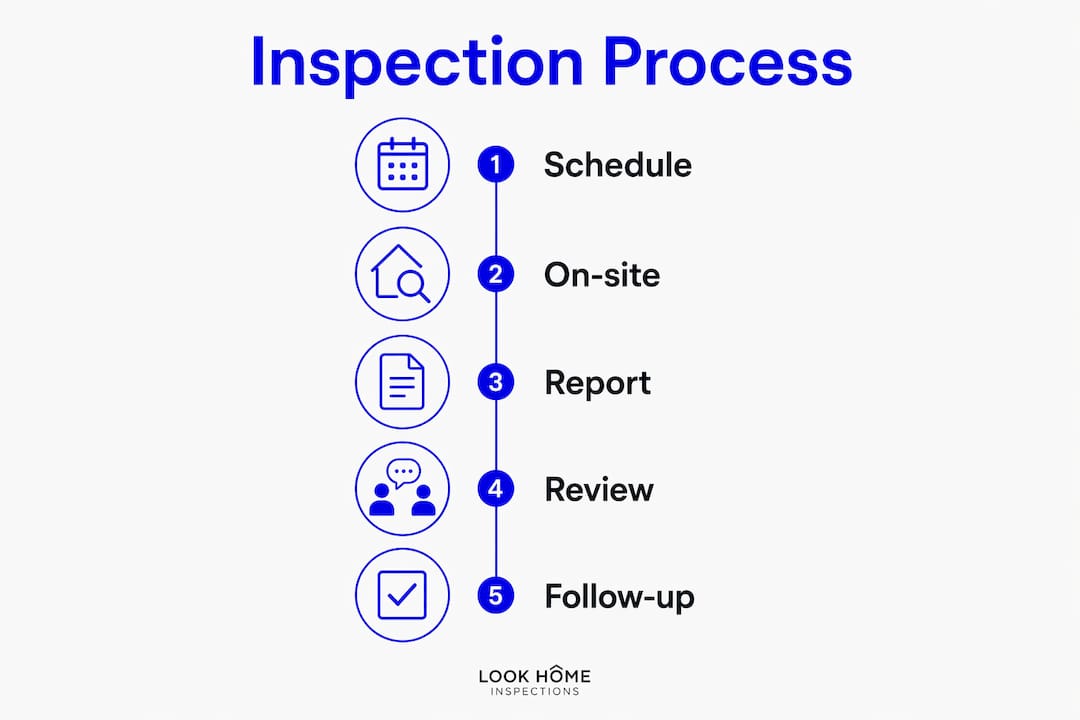
- Scheduling: Book an inspector with verified credentials and confirmed certification. Check their ASHI or InterNACHI membership directly on those organizations’ websites, not just on the inspector’s own marketing materials.
- Inspector arrival: The inspector typically arrives 10–15 minutes early to begin the exterior assessment before you arrive.
- Exterior inspection: Roof, grading, drainage, foundation walls, siding, and visible utilities are assessed first.
- Interior inspection: The inspector works systematically through each floor, testing outlets, checking water flow, operating the HVAC, and verifying attic and crawlspace access.
- Verbal summary: At the end, the inspector walks you through the most significant findings. This is your chance to ask questions before the written report arrives.
- Report delivery: Reports typically arrive within 24–48 hours and include photos, condition ratings, and maintenance recommendations.
Inspection day often involves thermal imaging, moisture detection, and attic and crawlspace assessments that buyers rarely see during a standard showing. These are not extras. They are part of a thorough inspection.
Pro Tip: After you receive the report, read it fully before calling your agent. Identify the items rated as safety concerns or major defects first. Those are your negotiation priorities. Cosmetic issues and routine maintenance items are expected in any home and rarely move a seller.
Follow-up questions after report delivery are normal. A good inspector answers them. If you receive a report and cannot reach the inspector for clarification, that tells you something about the quality of service you hired.
A property inspection checklist helps buyers track findings and organize their response before the contingency deadline. Consistent property maintenance after closing also protects the investment you just made. A property maintenance checklist gives homeowners a structured way to stay ahead of the same systems the inspector evaluated.
Key Takeaways
Certified home inspectors provide the most reliable, defensible property evaluations available to buyers, sellers, and real estate professionals because their work is governed by national standards, ethics codes, and professional insurance requirements.
| Point | Details |
|---|---|
| Certification matters | Board-certified inspectors have passed the NHIE. Additionally, ASHI and InterNACHI certifications require additional training or experience, completing ethics training, and completing ongoing education. |
| Inspections cover major systems | Roof, foundation, electrical, plumbing, and HVAC are all evaluated during a standard inspection. |
| Reports support negotiation | Photo-rich reports with severity ratings give buyers documented leverage to request repairs or credits. |
| Inspection costs are low relative to risk | A $400–$500 inspection can prevent tens of thousands in undetected repair costs after closing. |
| Attend the inspection in person | The verbal walkthrough at the end delivers context and clarity that the written report alone cannot. |
What I’ve learned after years of inspecting properties
The biggest misconception buyers carry into an inspection is that the inspector will catch everything. No inspector can. A non-invasive visual examination has real limits. Hidden wiring inside finished walls, buried pipe conditions, and concealed structural repairs are outside the scope of a standard inspection. What a certified inspector catches is what is visible, accessible, and operating on the day of the inspection. That is still a significant amount of information.
What separates a good inspection from a mediocre one is not the checklist. It is the inspector’s judgment about what a condition suggests, not just what it looks like. A water stain on a ceiling could be an old, repaired leak or an active one. A certified inspector knows how to distinguish between the two using a moisture meter and pattern recognition built from hundreds of inspections. An uncertified inspector with no continuing education may simply note “stain present” and move on.
I have seen buyers use inspection reports to negotiate $15,000 credits on properties where the seller had no idea the HVAC system was at the end of its service life. I have also seen buyers walk away from deals that looked fine on the surface but had serious moisture intrusion in the crawlspace. Both outcomes required a thorough, certified inspection to make possible. The report is not just a document. It is the basis for one of the largest financial decisions most people make in their lives.
Choosing an inspector who exceeds state licensing minimums, carries proper insurance, and follows a recognized code of ethics is not overcautious. It is the minimum standard you should hold anyone to when they are evaluating a property worth hundreds of thousands of dollars.
— Holly
How Upchurch Inspection serves buyers and sellers in the Mid-South
Upchurch Inspection conducts residential and commercial inspections across the Mid-South in accordance with the State of Tennessee and InterNACHI standards of practice. Every report includes detailed photos, condition ratings, and clear explanations of what each finding means for your transaction. The inspectors at Upchurch Inspection exceed state licensing requirements, carry full professional insurance, and do not perform repairs on properties they inspect. That independence protects you. Whether you are a first-time buyer, a seller preparing to list, or an agent managing a tight escrow timeline, the benefits of regular inspections extend well beyond closing day. Contact Upchurch Inspection to schedule an inspection before your next transaction.
FAQ
What does a certified home inspector check?
Certified home inspectors examine the roof, foundation, electrical system, plumbing, HVAC, attic, and interior components during a non-invasive visual inspection. They document conditions with photos and severity ratings in a written report.
How long does a home inspection take?
Most standard inspections take 3–5 hours on site, depending on the size and condition of the property. Reports are typically delivered within 24–48 hours of the inspection’s completion. More detailed inspections or complicated properties may take longer.
What is the difference between a licensed and a certified home inspector?
Licensing meets the state’s minimum legal requirement to practice. Certification through ASHI or InterNACHI requires additional training and experience, completion of ethics training, and ongoing continuing education, which sets a higher professional standard.
How much does a home inspection cost?
A standard inspection for a home between 1,000 and 2,000 square feet typically costs $400–$500. Specialty tests such as radon, mold, or sewer scoping add $200-$300 each, depending on the service.
Should buyers attend the home inspection?
Buyers should attend every inspection. The verbal walkthrough at the end gives you direct access to the inspector’s observations and lets you ask questions before the written report is finalized.