
TL;DR:
- A commercial property inspection is a standards-based assessment that uncovers hidden risks, deferred maintenance, and operational issues before transactions. Following the ComSOP standard ensures reliable, defensible reports that support negotiations, financing, and long-term asset management. Regular inspections help owners identify potential problems early, mitigate risks, and protect their investment value over time.
A commercial property inspection is a systematic, standards-based evaluation of a building’s physical condition designed to uncover hidden risks, deferred maintenance, and operational issues before a purchase or lease is finalized. For investors and business owners in the Mid-South and beyond, skipping this step is one of the most expensive decisions you can make. The inspection process connects directly to financing approvals, insurance underwriting, negotiation leverage, and long-term capital planning. Understanding why commercial property inspection matters is the difference between a confident acquisition and a costly surprise.
Why commercial property inspection matters: standards and methodology
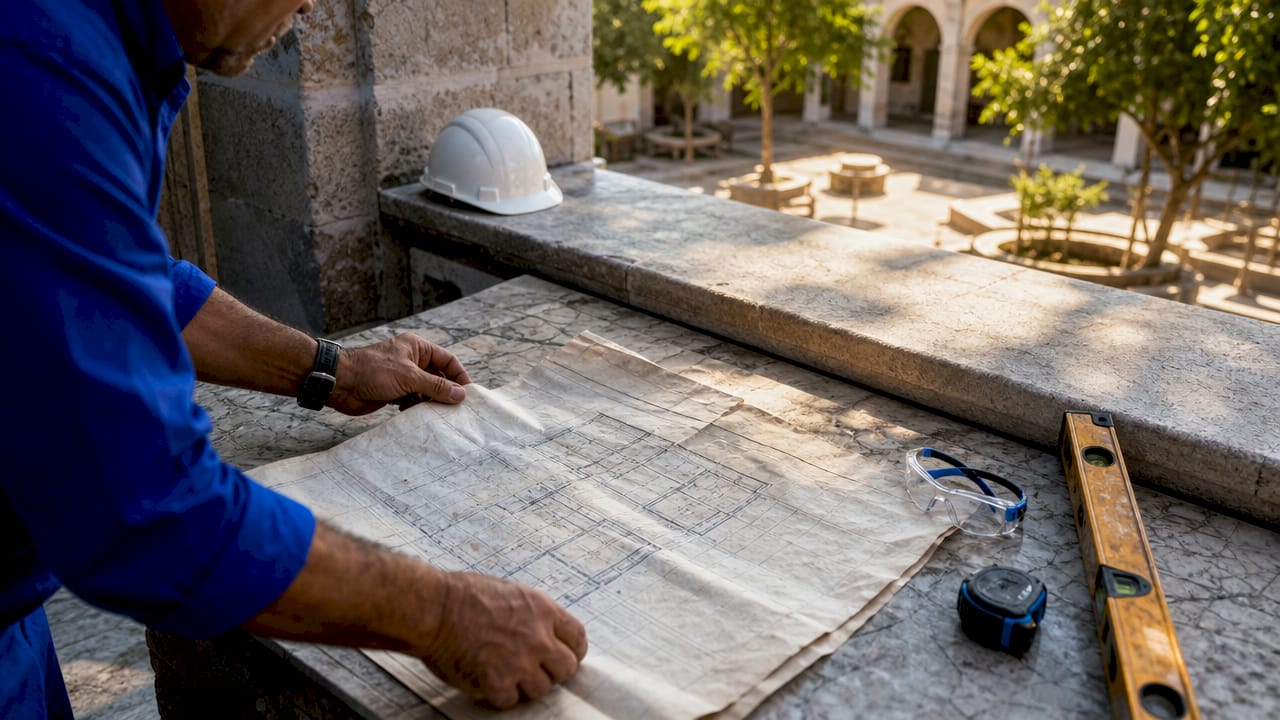
Commercial property inspections follow a defined framework, not a checklist improvised by whoever shows up on-site. The ComSOP standard, published by the Commercial Property Inspectors Association (CCPIA), sets the international benchmark for how these evaluations are conducted. It covers nine core sections including scope, reporting practices, inclusions, exclusions, and limitations. That structure is what separates a defensible inspection report from a document that falls apart under lender or legal scrutiny.
ComSOP’s standardized methodology helps all stakeholders, including buyers, sellers, and lenders, trust the inspection’s boundaries and reduces disputes caused by unclear methodology. Inspectors who follow ComSOP also review existing documentation such as permits and maintenance logs, and they clearly communicate what falls outside the report’s scope. This prevents misuse of findings after closing and protects every party in the transaction.
Commercial inspections differ from residential ones in scale, complexity, and regulatory exposure. HVAC, roofing, electrical, plumbing, and fire safety systems in commercial buildings require specialized knowledge that goes well beyond what residential experience provides. A strip mall, medical office building, or warehouse carries code requirements and system interdependencies that demand a trained commercial inspector, not a generalist.
Pro Tip: When hiring an inspector for a commercial property, ask specifically whether they follow ComSOP and whether their reports include explicit exclusions and limitations. If they cannot answer both questions clearly, look elsewhere.
Here is how commercial and residential inspections compare across key dimensions:
| Dimension | Residential Inspection | Commercial Inspection |
|---|---|---|
| Governing standard | State-specific SOP | ComSOP (CCPIA international standard) |
| System complexity | Single-family scale | Multi-system, multi-tenant scale |
| Code requirements | Residential building codes | Commercial building and fire codes |
| Report use | Buyer decision-making | Buyer, lender, insurer, and legal use |
| Inspector expertise | General residential training | Specialized commercial training required |
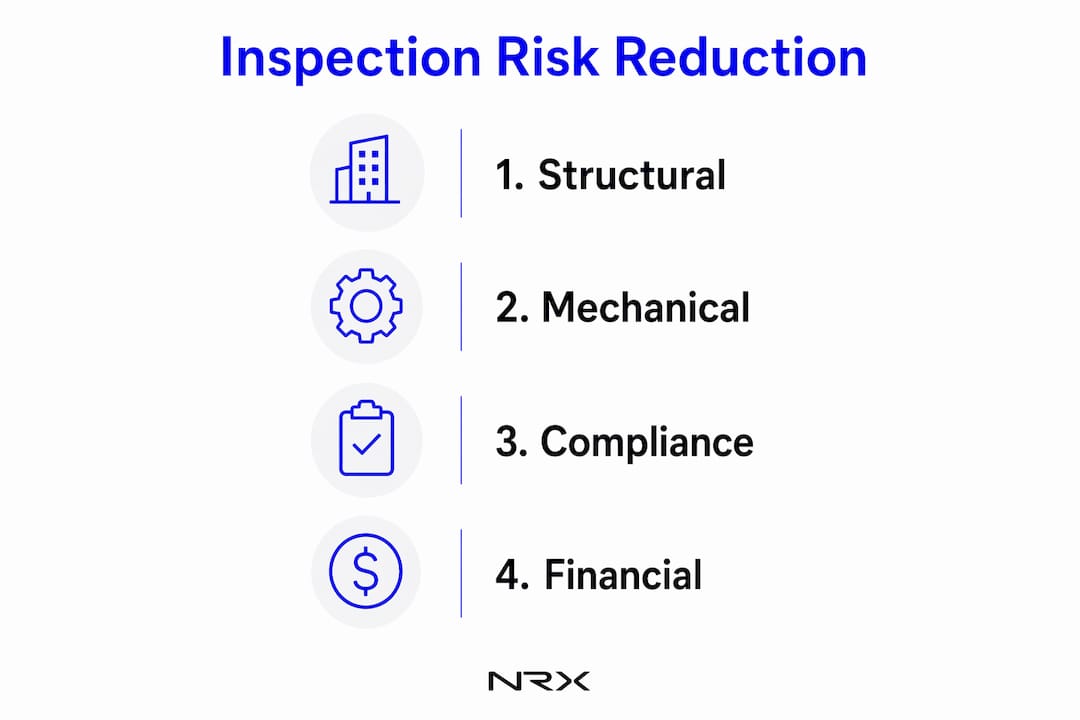
How commercial inspections reduce four categories of risk
The greatest value of a commercial inspection lies in translating physical defects into ownership, operational, capital, and financing implications rather than simply listing what is broken. Experienced investors know that a cracked roof deck is not just a repair item. It is a capital reserve problem, a potential lease dispute trigger, and a lender red flag rolled into one finding.
Each risk category carries distinct financial and operational consequences:
- Ownership risk covers hidden deferred maintenance and undocumented modifications. A building that has had electrical panels replaced without permits, for example, creates liability exposure that survives the closing date.
- Operational risk relates to how building system conditions disrupt tenant activities and revenue. Failures in critical systems such as HVAC or fire suppression can impact lease renewals and tenant satisfaction in ways that compound over time.
- Capital risk involves components nearing the end of their service life. A rooftop HVAC unit with two years of useful life remaining is not a maintenance issue. It is a capital expenditure that belongs in your acquisition model.
- Financing risk emerges when inspection findings conflict with lender underwriting expectations, stalling or killing a deal at the worst possible moment.
“Probability and impact of system failure, timing, compliance status, operational exposure, financial implications, and negotiation leverage form a framework for evaluating inspection findings.” — Why Commercial Inspections Are About Risk
Understanding deferred maintenance patterns before they become expensive is one of the clearest ways an inspection protects your investment. A building that looks clean on the surface can carry years of deferred HVAC servicing, neglected roof drainage, or aging electrical infrastructure. Each of those items represents a future cash outflow that a thorough inspection surfaces before you are legally obligated to absorb it.
What practical benefits does a commercial inspection provide?
A thorough commercial inspection provides clarity on a property’s true condition, future maintenance costs, and negotiation advantages that buyers and tenants can use immediately. This is not a passive exercise. The findings become a tool.
Here are the most direct benefits you gain from a standards-based commercial inspection:
- Negotiation leverage. Documented deficiencies give you a factual basis to request price reductions, seller credits, or repair commitments before closing. Without an inspection report, you are negotiating blind.
- Capital reserve accuracy. Knowing which systems are within two to five years of end-of-life lets you build realistic reserve schedules into your financial model rather than discovering those costs after acquisition.
- Reduced operational disruption. Identifying system vulnerabilities before occupancy means you can schedule repairs proactively rather than reacting to failures that interrupt tenant operations or your own business.
- Legal and compliance protection. Inspections surface code violations and unpermitted work that could expose you to fines, required remediation, or liability claims from tenants and regulators.
- Support for refinancing. When you refinance, lenders revisit property condition. A clean inspection history and documented maintenance record strengthen your position and reduce underwriting friction.
Pro Tip: Before your inspection appointment, gather all available maintenance logs, prior inspection reports, and permit records. Providing this documentation to your inspector improves report accuracy and reduces the risk of exclusions that could leave gaps in your due diligence.
The benefits of regular inspections extend well beyond the acquisition phase. Property owners who schedule periodic evaluations catch deterioration early, maintain tenant confidence, and preserve asset value in ways that one-time buyers often overlook.
How do inspections support financing and underwriting?
Lenders use commercial inspections as risk documentation during underwriting, focusing on major systems and material risks to prevent premature failures and protect cash flow. Standards-based inspections with clear photographs and organized reports speed loan approvals by reducing follow-up questions from underwriters. That efficiency matters when you are working against a contract deadline.
The table below shows what lenders typically prioritize when reviewing a commercial inspection report:
| System or Component | Lender Concern | Inspection Focus |
|---|---|---|
| Roof and envelope | Water intrusion, deferred maintenance | Age, condition, drainage, penetrations |
| HVAC systems | Service life, capacity, compliance | Age, maintenance records, output testing |
| Electrical systems | Code compliance, capacity | Panel condition, wiring type, load capacity |
| Plumbing | Leak risk, material age | Pipe material, water heater age, drainage |
| Structural components | Load path integrity, settlement | Foundation, framing, visible distress |
| Fire and life safety | Code compliance, tenant safety | Suppression systems, egress, alarm systems |
Inspections aligned with lender guidelines facilitate faster closings by providing reliable documentation focused on material risks. For SBA loans in particular, the underwriting process is sensitive to property condition findings, and a report that does not follow recognized standards can trigger additional due diligence requirements that delay funding. Preparing for your inspection with the lender’s perspective in mind is a practical step that experienced buyers take seriously.
The role of inspections in real estate transactions extends to protecting both buyers and sellers from post-closing disputes. When the inspection report clearly states what was examined, what was excluded, and what the findings mean, it creates a shared factual record that reduces the risk of litigation after the deal closes.
Key takeaways
A commercial property inspection is the single most effective tool for identifying hidden risks, supporting financing, and protecting your investment before and after closing.
| Point | Details |
|---|---|
| Standards govern reliability | ComSOP-aligned inspections produce defensible reports that lenders, buyers, and sellers can trust. |
| Four risk categories matter | Ownership, operational, capital, and financing risks each require specific inspection attention to protect your investment. |
| Negotiation leverage is real | Documented deficiencies give buyers a factual basis for price adjustments, credits, or repair commitments. |
| Lender alignment speeds closings | Inspections that match underwriting expectations reduce follow-up questions and prevent financing delays. |
| Ongoing inspections preserve value | Periodic evaluations after acquisition catch deterioration early and support long-term asset management. |
What experienced investors know that first-time buyers often miss
After years of working alongside investors and business owners in the Mid-South, I have seen a consistent pattern: the buyers who skip or rush the inspection process are the same ones calling six months later about an HVAC system that failed across multiple units, a roof that was already leaking before they closed, or an electrical panel that a tenant’s insurance carrier refuses to cover.
The mistake is not always skipping the inspection entirely. Sometimes it is hiring an inspector without commercial-specific training, or accepting a report that lists defects without translating them into financial and operational implications. A report that says “HVAC unit showing wear” tells you almost nothing. A report that says “HVAC unit is 18 years old with an industry average service life of 15 to 20 years, replacement cost estimated at $22,000, and current output below design capacity” gives you something you can actually use at the negotiating table.
What I find most underappreciated is the capital risk category. Investors focus heavily on purchase price and cap rate, but they underestimate how quickly aging systems erode returns. A building with three rooftop HVAC units all installed in the same year creates a domino effect risk. When one fails, the others are likely close behind. That is not a maintenance line item. It is a capital event that belongs in your five-year financial model before you sign anything.
The inspectors who add the most value are the ones who understand that their job is not to produce a list of defects. Their job is to give you a risk-informed picture of what you are buying. That distinction is what separates a useful inspection from a document that sits in a folder and never gets read again.
— Holly
How Upchurch Inspection protects your commercial investment
Upchurch Inspection delivers commercial inspection services built around the risk-based framework this article describes. Our inspectors exceed state qualification standards and follow recognized methodologies to produce reports that are useful to buyers, lenders, and property managers alike. We examine structural components, major building systems, and deferred maintenance patterns with the same depth we bring to every evaluation. If you are preparing for a commercial acquisition or want to understand the ongoing condition of a property you already own, the benefits of regular inspections page outlines exactly how a systematic approach protects your asset value over time. Reach out to Upchurch Inspection before your next transaction.
FAQ
What is a commercial property inspection?
A commercial property inspection is a standards-based evaluation of a building’s physical condition, covering structural components, major systems, and maintenance status. Inspectors following ComSOP assess scope, report findings, and clearly state exclusions to produce a defensible document for buyers, lenders, and insurers.
Why should you inspect before buying commercial property?
Inspecting before purchase uncovers hidden deferred maintenance, system vulnerabilities, and code compliance issues that directly affect price negotiations, financing approvals, and long-term operating costs. Buyers who skip this step absorb risks that a thorough inspection would have surfaced and priced into the deal.
How does a commercial inspection differ from a residential one?
Commercial inspections require specialized expertise in larger-scale HVAC, electrical, plumbing, fire safety, and structural systems governed by commercial building codes. Residential inspectors are not trained for this complexity, and using one for a commercial property creates gaps in your due diligence.
How do commercial inspections support loan approvals?
Lenders use inspection reports as risk documentation during underwriting, focusing on major systems and material deficiencies. Reports aligned with recognized standards reduce follow-up questions and speed closings for both SBA and conventional commercial loans.
How often should commercial property owners schedule inspections?
Property owners benefit from periodic inspections every three to five years, or following significant weather events, tenant turnover, or system upgrades. Regular evaluations catch deterioration early and support accurate capital reserve planning before problems become emergencies.