TL;DR:
- A home inspection provides an unbiased, detailed evaluation of a property’s major systems before a real estate transaction.
- Attending the inspection enhances understanding, facilitates questions, and strengthens negotiation leverage.
- Routine inspections every few years protect long-term value and help identify emerging issues early.
A home inspection is a professional, unbiased visual evaluation of a property’s condition, covering structural components, electrical systems, plumbing, and HVAC units before a real estate transaction closes. The benefits of home inspection extend well beyond a simple checklist. According to the National Association of Realtors (NAR), Angi, and Signal Financial FCU, a thorough inspection costing between $300 and $425 can prevent tens of thousands of dollars in unexpected repair costs and give both buyers and sellers the documented evidence they need to negotiate with confidence.
1. What are the main benefits of getting a home inspection?
The core benefit of a property inspection is knowledge. You cannot negotiate what you cannot see, and most serious defects in a home are invisible during a casual walkthrough.
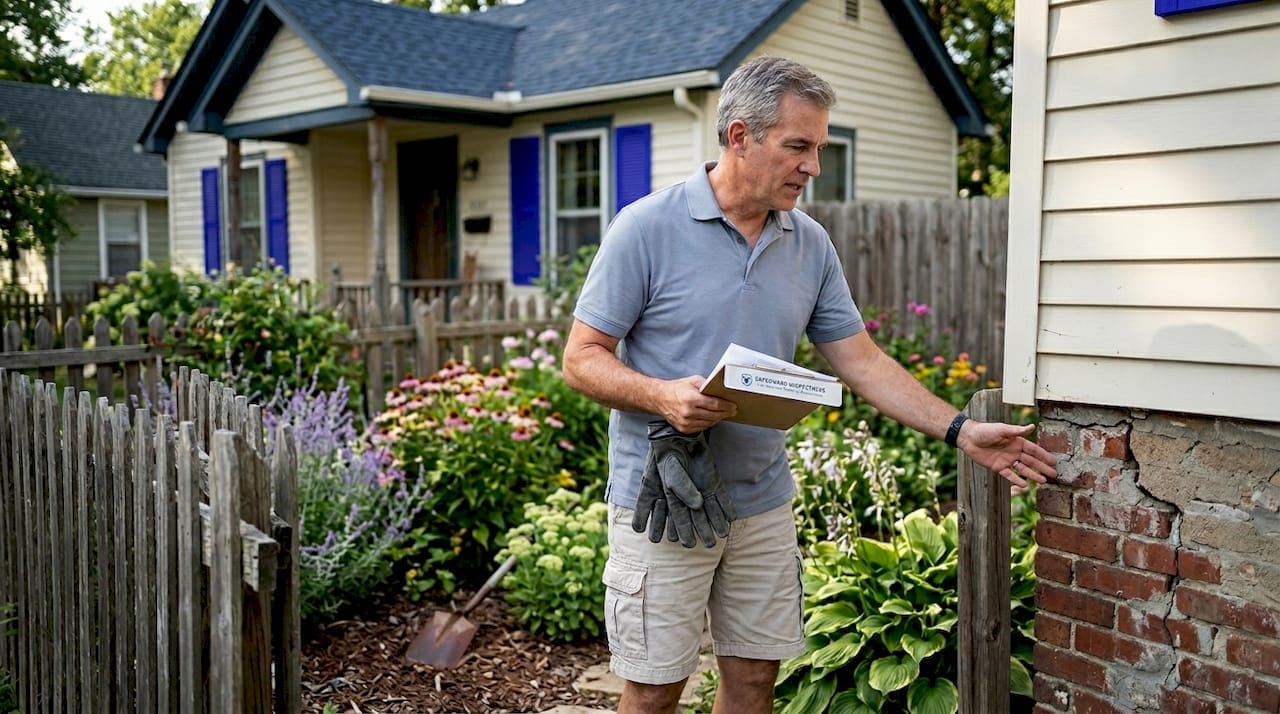
A professional inspector evaluates the condition of major systems, including HVAC units, electrical panels, plumbing lines, roofing, and the foundation. Most homes have multiple findings ranging from minor maintenance items to major defects requiring immediate attention. That range matters because it tells you exactly where your money will go after closing.
The importance of home inspection also lies in safety. Inspectors identify hazards such as faulty wiring, gas leaks, mold, and structural instability that pose direct risks to occupants. These are not cosmetic issues. They are conditions that affect whether a home is safe to live in.
- Hidden defects revealed: Inspectors access crawl spaces, attics, and electrical panels that buyers rarely see during showings.
- System conditions documented: HVAC age and service life, water heater condition, and electrical panel capacity.
- Safety hazards flagged: Carbon monoxide risks, improper grounding, and structural cracks are identified before purchase.
- Maintenance priorities set: The report separates urgent repairs from items to monitor over time.
- Peace of mind established: Even a clean report confirms the property is in sound condition.
Pro Tip: Ask your inspector to walk you through the electrical panel and water heater during the inspection. These two systems have the highest replacement costs and the greatest risk of deferred maintenance.
2. How attending the inspection multiplies its value
Reading a report is useful. Being present during the inspection is far more valuable. Buyer participation adds practical value that no written document can fully replicate.
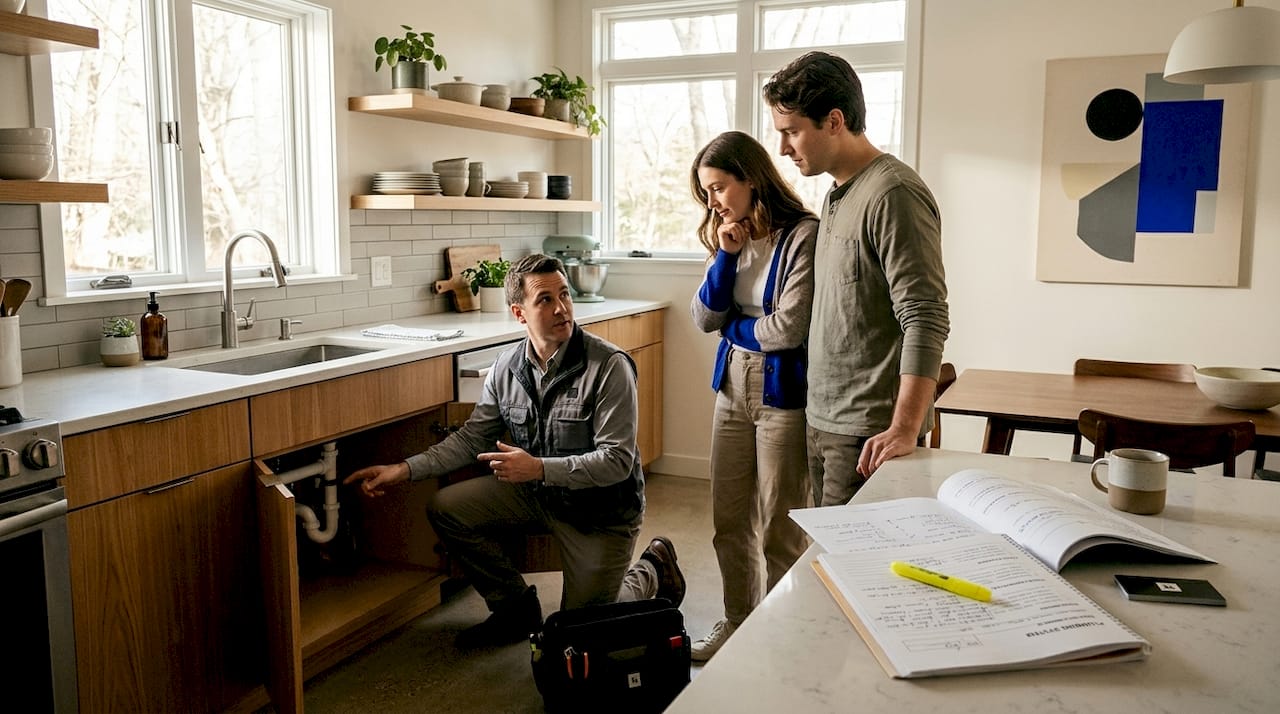
When you attend the inspection, the inspector can show you exactly where a pipe is corroding, point to the age stamp on the HVAC unit, or demonstrate a faulty outlet in real time. That direct observation changes how you interpret the written report. You move from reading about a problem to understanding its actual scale and urgency.
Buyers who attend inspections also ask better questions. Seeing a cracked joist in person prompts a different conversation than reading “structural concern noted in crawl space.” The difference between those two experiences lies between vague worry and informed decision-making.
Here is how to maximize the value of attending your inspection:
- Arrive at the start. Inspectors cover the exterior and roof first. Missing the first 30 minutes means missing critical structural and drainage observations.
- Bring a notepad. Write down anything the inspector flags verbally, even if it will appear in the report. Your notes capture tone and emphasis that reports cannot.
- Ask about urgency. Inspectors categorize issues as “action now” versus “monitor for later.” Ask directly which category each finding falls into.
- Request cost estimates. Inspectors cannot provide contractor quotes, but they can tell you whether a repair is typically a few hundred dollars or several thousand.
- Photograph everything. Your own photos supplement the report and help you communicate specific concerns to contractors later.
Pro Tip: Review practical inspection report examples before your inspection day so you know how findings are categorized and what language to expect.
3. Long-term benefits of routine property inspections
The advantages of home inspection do not end at the closing table. Routine inspections every two to five years catch emerging problems early, reducing the risk of deferred maintenance compounding into major structural or system failures.
Deferred maintenance is the single most expensive pattern in residential real estate. A small roof leak ignored for two years becomes a rotted deck, damaged insulation, and mold remediation. A routine inspection catches the leak at year one, when the repair costs a few hundred dollars instead of tens of thousands.
Routine inspections also support budgeting. When you know your HVAC unit is eight years into a fifteen-year service life, you can plan for replacement rather than absorb an emergency expense. That kind of financial visibility is what separates reactive homeownership from strategic property management.
- Code compliance: Building codes evolve. Periodic inspections identify systems that no longer meet current safety standards, such as outdated electrical panels or unvented gas appliances.
- Insurance documentation: Some insurers require proof of property condition for coverage renewals or claims. An inspection report serves as that documentation.
- Resale preparation: Sellers who inspect before listing avoid the surprise of a buyer’s inspector finding issues that stall or kill the deal.
- Investment protection: A home is typically the largest single asset most people own. Regular inspections protect that asset the same way regular maintenance protects a vehicle.
4. How home inspections drive negotiation and decision-making
Inspection findings provide documented leverage to negotiate with sellers. This is one of the most direct financial advantages of a home inspection, and one that buyers frequently underuse.
An unbiased professional evaluation shifts the negotiation from assumptions to evidence. Instead of saying “we think the roof looks old,” you present a report stating “the roof has an estimated three to five years of remaining service life and shows active granule loss.” That specificity changes the conversation entirely.
Prioritizing inspection findings by risk and cost helps buyers negotiate realistically. Not every finding warrants a price reduction. Focus your requests on major systems and safety items, not cosmetic defects or routine maintenance.
| Negotiation approach | When to use it | Expected outcome |
|---|---|---|
| Request repairs before closing | Major safety hazards or code violations | Seller completes work; buyer verifies before close |
| Request price reduction | Significant deferred maintenance or system replacements | Buyer handles repairs post-close with reduced purchase price |
| Escrow holdback | Repairs that cannot be completed before the closing date | Funds held until work is verified as complete |
| Walk away | Structural failures, foundation issues, or undisclosed major defects | Buyer exits with earnest money protected by inspection contingency |
| Pre-listing inspection | Sellers preparing to list | Fewer surprises during buyer’s inspection; faster sale |
In competitive markets, some buyers consider waiving inspection contingencies to strengthen their offer. Waiving inspection contingencies significantly increases the risk of absorbing costly repairs with no recourse. The short-term competitive advantage rarely justifies that exposure.
5. Inspection cost versus the risk of skipping one
The average home inspection costs between $300 and $425. That figure represents a fraction of one percent of the median U.S. home price, yet it covers an evaluation of every major system in the property.
The financial case for inspection becomes clearest when you examine what inspectors routinely find. Electrical defects, roofing failures, plumbing leaks, and HVAC issues are among the most common inspection findings. Replacing a failed HVAC system runs $5,000 to $12,000. Remediating a mold problem costs $3,000 to $30,000 depending on the scope. Repairing a compromised foundation can exceed $25,000.
A $400 inspection that surfaces any one of those issues pays for itself many times over. An inspection that surfaces none of them still delivers documented confirmation that the property is in sound condition. That documentation has value in negotiations, in insurance conversations, and in your own confidence as a buyer.
The risks of skipping an inspection include:
- No negotiation leverage: Without documented findings, you have no basis to request repairs or price adjustments.
- Full repair liability: Any defect discovered after closing becomes your financial responsibility entirely.
- Safety exposure: Undetected hazards such as faulty wiring or structural instability put occupants at risk.
- Resale complications: Future buyers will inspect the property. Issues you did not know about become your disclosure problem.
Inspection reports guide, not dictate, purchase decisions. A report with ten findings does not mean you should walk away. It means you have ten data points to work with. Understanding which findings are urgent, which are manageable, and which are cosmetic is the skill that separates informed buyers from reactive ones.
Key takeaways
A home inspection costing $300 to $425 is the most cost-effective risk-management tool available in any real estate transaction, protecting buyers from unexpected repair costs and giving sellers the documentation needed to close faster.
| Point | Details |
|---|---|
| Inspections reveal hidden defects | Major systems, including HVAC, electrical, and plumbing, are evaluated before you commit to purchase. |
| Attendance multiplies the report value | Being present lets you ask questions and understand urgency in ways a written report cannot convey. |
| Findings drive negotiation | Documented defects shift negotiations from assumptions to evidence, enabling price reductions or repair requests. |
| Routine inspections protect long-term value | Inspecting every two to five years catches deferred maintenance before it compounds into major expenses. |
| Skipping inspection transfers all risk | Without an inspection contingency, every post-closing repair becomes the buyer’s full financial responsibility. |
Why I think skipping the inspection is the costliest mistake in real estate
I have reviewed hundreds of inspection reports across the Mid-South, and the pattern is consistent. The buyers who waive inspections to win competitive offers are the same buyers who call six months later with a failed HVAC system or a plumbing leak that has been seeping behind a wall for years. The math never works in their favor.
What surprises most buyers is that inspection results are rarely deal-breakers. Most issues are fixable or negotiable rather than reasons to walk away. The report is a tool. It tells you what you are buying, what it will cost to maintain, and where your negotiation leverage sits. Treating it as a verdict rather than a briefing is where buyers go wrong.
Sellers benefit just as much from pre-listing inspections. When you know what a buyer’s inspector will find, you control the narrative. You can repair items in advance, price accordingly, or disclose proactively. That transparency speeds the transaction and reduces the chance of a deal collapsing at the finish line.
The best advice I can offer is straightforward. Spend the $400. Attend the inspection. Read the report carefully and understand when a finding should concern you versus when it is routine maintenance. That knowledge is worth far more than the cost of the inspection itself.
— Holly
Get a thorough inspection before your next real estate decision
At Upchurch Inspection, we specialize in residential and commercial property evaluations across the Mid-South, with inspectors whose qualifications exceed state standards. Our detailed reports cover every major system, including structural components, plumbing, electrical, and HVAC units, giving you the documented evidence you need to negotiate with confidence and close without surprises.
Whether you are buying, selling, or maintaining a property you already own, our team delivers clear findings that separate urgent repairs from routine maintenance. Explore how inspections protect buyers and sellers in every type of real estate transaction, or review real inspection report examples to understand exactly what our evaluations cover. Schedule your inspection with Upchurch Inspection today.
FAQ
What does a home inspection typically cover?
A home inspection covers the visible and accessible components of a property, including the roof, foundation, electrical panel, plumbing, HVAC units, insulation, and structural elements. The inspector documents the condition of each system and flags items requiring immediate repair, specialist review, or future monitoring.
How long does a home inspection take?
Most residential inspections take two to four hours depending on the size and age of the property. Larger homes or those with significant deferred maintenance typically require more time.
Can a seller benefit from getting a home inspection?
A pre-listing inspection gives sellers a clear picture of what a buyer’s inspector will find, allowing them to make repairs in advance, price the property accurately, and reduce the risk of a deal falling apart after an offer is accepted.
Is a home inspection required to buy a house?
A home inspection is not legally required in most states, but it is strongly recommended. Waiving the inspection contingency removes your ability to negotiate repairs or to exit the contract based on the property’s condition, transferring all repair risk to you after closing.
What happens if the inspection finds major problems?
Inspection findings empower buyers to request repairs, negotiate a price reduction, ask for an escrow holdback, or walk away with their earnest money protected. Major findings are not automatic deal-breakers. They are documented leverage points that shift the negotiation in the buyer’s favor.