
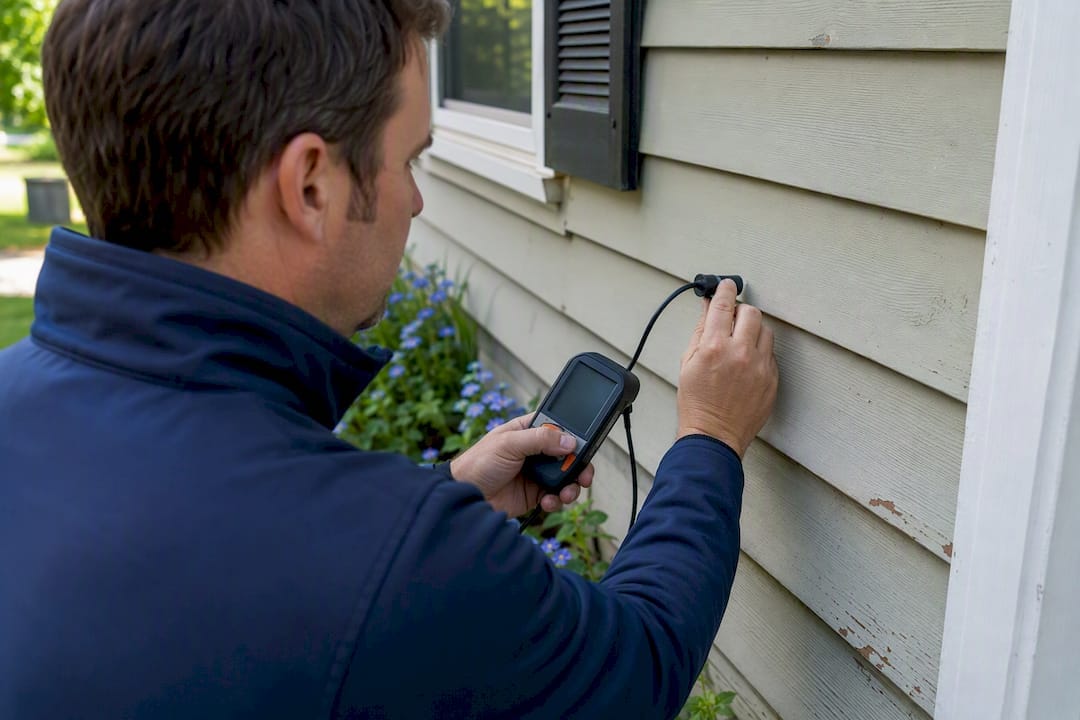
Perfection is a tempting idea when you’re buying a home. Listings are polished. Photos are edited. Walkthroughs happen on bright days. By the time an offer is accepted, it’s easy to believe you’re purchasing something close to flawless—especially when the house looks clean and the inspection report doesn’t feel alarming.
In the markets we serve—Memphis, Jackson, Little Rock, Jonesboro, Cape Girardeau, and Middle Tennessee—that expectation is one of the fastest ways to turn a reasonable inspection into unnecessary stress.
At Upchurch Inspection, we don’t see deals unravel because homes aren’t perfect. We see them unravel because buyers expect them to be.
Homes Are Physical Systems, Not Finished Products
A home isn’t a static object. It’s a working system made up of materials that expand, contract, wear, and respond to environment.
In West Tennessee and Central Arkansas, soil movement is normal. In Middle Tennessee, humidity swings affect wood and finishes. In Southeast Missouri, seasonal weather stresses exteriors in predictable ways. None of that stops because a house is listed for sale.
Perfection would require a house to stop responding to physics. That doesn’t happen.
Inspections don’t reveal imperfection—they reveal reality.
Most “Problems” Are Really Ownership Conditions
Many items buyers react to emotionally aren’t failures. They’re conditions that come with owning a house.
A roof with limited remaining life isn’t broken.
An HVAC system nearing replacement isn’t defective.
A foundation with historical movement isn’t collapsing.
These are ownership facts, not inspection failures.
When buyers expect perfection, they treat normal aging as unacceptable risk. When they expect reality, they plan accordingly.
Why This Expectation Has Grown Worse
Modern real estate marketing has changed how homes are perceived.
Updated finishes, staged spaces, and cosmetic renovations reduce visible wear. In places like Nashville and Little Rock, where renovation is common, homes often look newer than their underlying systems actually are.
That visual reset creates a psychological mismatch. Buyers feel like they’re buying something “new,” even when the house is decades old.
Inspections reintroduce age and context. That contrast can feel jarring if expectations aren’t grounded.
Perfection Thinking Leads to Bad Negotiation
When buyers expect perfection, every finding feels negotiable—and urgent.
That mindset often leads to:
- Overreaching repair requests
- Misunderstanding inspection intent
- Strained seller relationships
- Lost leverage on truly important issues
Ironically, buyers who demand perfection often lose opportunities to address the things that actually matter.
Experienced buyers focus on risk, not flawlessness.
No Home Escapes Future Maintenance
One of the quiet truths inspections reveal is that every home carries future responsibility.
Even brand-new construction comes with adjustments, warranty claims, and system tuning. Older homes simply make that reality more visible.
In Memphis and Jackson especially, inspectors see homes that have performed well for decades—but still require ongoing care. That isn’t a failure of the house. It’s evidence that ownership is active, not passive.
Expecting perfection means expecting maintenance to disappear. It doesn’t.
Why Inspectors Don’t “Pass” Homes
Buyers sometimes ask whether a house “passed” inspection. That language itself reflects a perfection mindset.
Homes don’t pass or fail inspections. They reveal condition.
An inspection report isn’t a scorecard. It’s a description of what exists, how it behaves, and where attention may be needed over time. Treating it like a pass/fail test sets buyers up for frustration.
Inspectors aren’t gatekeepers. They’re translators.
What Experienced Buyers Do Differently
Buyers who have owned homes before—or who listen closely during the inspection—approach reports differently.
They ask:
- Is this typical for homes like this in this area?
- Does this affect safety or long-term stability?
- Can I plan for this instead of reacting to it?
- What kind of owner does this house require?
Those questions replace perfection with preparedness.
Why Letting Go of Perfection Reduces Stress
Counterintuitively, buyers who stop expecting perfection enjoy the process more.
They’re less reactive.
They negotiate more strategically.
They understand what they’re buying.
And when something eventually needs attention—as it always does—they aren’t surprised or resentful. They planned for it.
At Upchurch Inspection, we’ve seen this pattern repeat across every market we serve. The calmest buyers aren’t the ones who found perfect houses. They’re the ones who understood what “normal” actually looks like.
The Practical Reality
A home inspection isn’t there to confirm that nothing is wrong.
It’s there to make sure buyers understand what’s right, what’s aging, and what will require participation over time.
Perfection is an illusion.
Preparedness is the real advantage.
When buyers let go of perfection, inspections stop feeling like obstacles—and start feeling like what they’re meant to be: a tool for confident ownership, grounded in reality rather than expectation.
Related reading