
INSPECTION FINDINGS · FROM OUR INSPECTION RECORDS
A bathroom or kitchen can look serviceable from the doorway while damage is visible at its edges and inside its cabinets. We documented deterioration beside a bathtub, substantial water damage under a kitchen sink, a split disposal housing and a tub spout loose at the wall. These are separate findings from different inspections; they should not be presented as one sequence of cause and damage.
The two water-damage examples establish the condition of the visible materials. The disposal and spout photographs document component defects that needed their own follow-up. A cracked disposal housing is not proof that it caused damage pictured at a different property, and a loose spout does not establish the condition inside a closed wall.
Photographs and documented observations
Rot at the edge of the bathtub
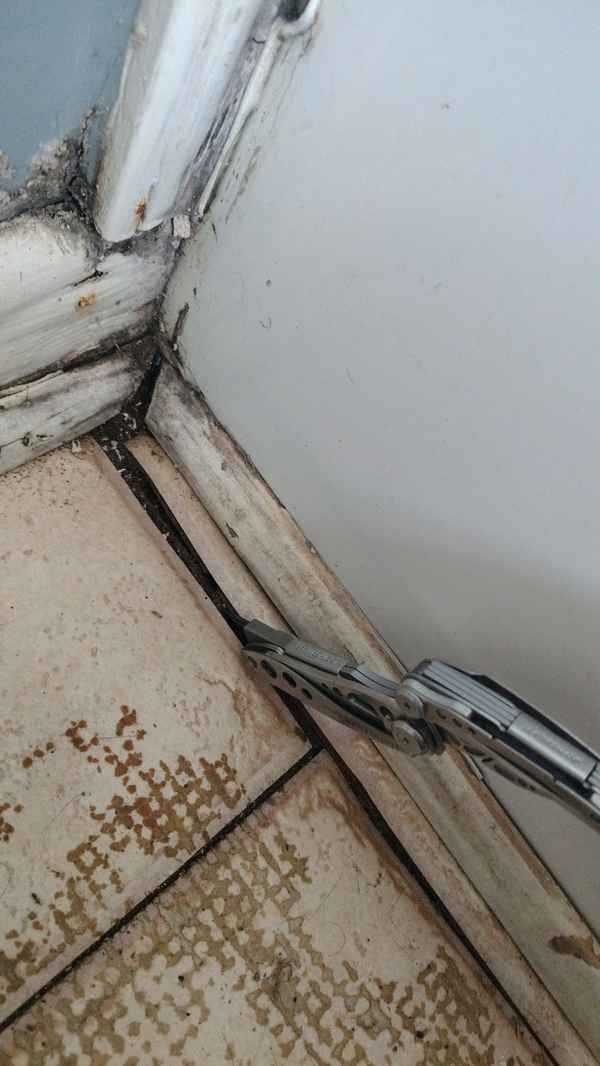
We found evidence of subfloor rot at the edge of the bathtub. The report flagged the area for a contractor to determine the extent of the damage and make repairs.
Heavy water damage beneath the kitchen sink
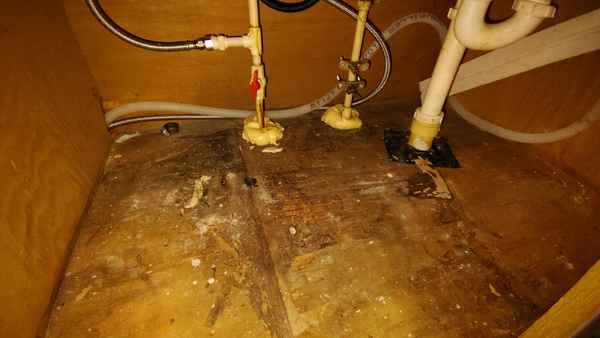
Opening the sink cabinet revealed extensive staining and water damage across its base. The report recommended repairing the cabinet floor and evaluating other affected materials.
A split garbage disposal housing
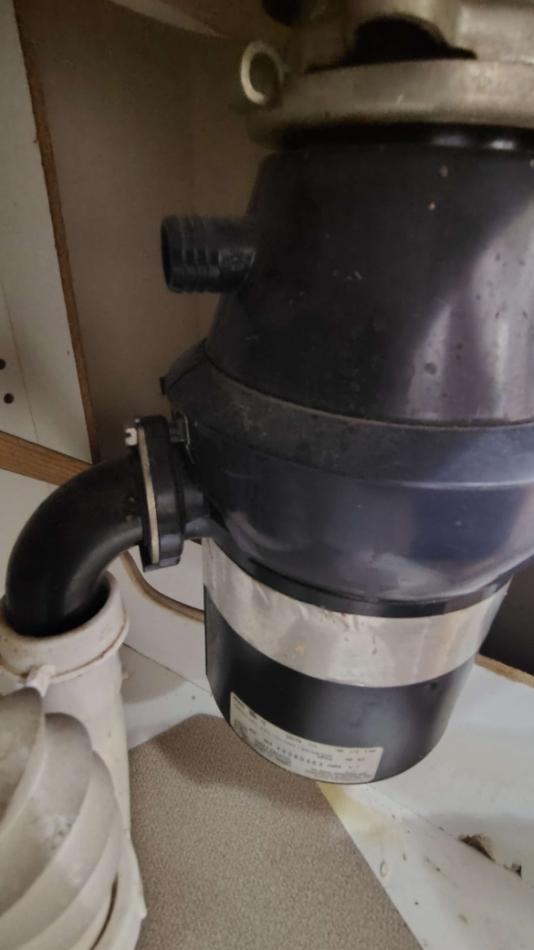
The disposal housing had a visible split near the top. The damage was easier to see from inside the cabinet than from the sink. We flagged the damaged unit for follow-up.
A tub spout loose at the wall
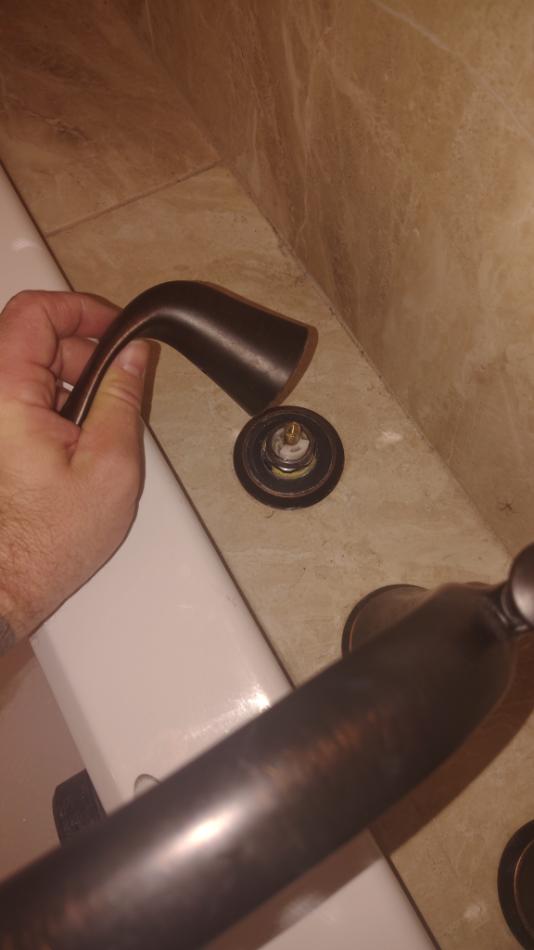
The tub spout was loose at its base, leaving the connection behind it exposed. The movement was visible where the spout met the wall. We flagged the spout for a plumber to evaluate and secure.
Match the explanation to the photograph
The inspection record is strongest when it identifies the actual opening, movement, staining or deteriorated material. The next professional can then evaluate the related connection and determine the extent of work. General language about a bathroom leak would be less useful than the specific location and condition recorded here.
Check behind affected finishes when warranted
The original recommendations called for plumbing or contractor evaluation of the affected components and materials. The extent of concealed damage remained a follow-up question where finishes limited visibility. Buyers should ask that repairs address both the defective component and any documented surrounding damage, rather than treating a replacement fixture as evidence that the rest of the area has been evaluated.
Related inspection insights
For related context, read Why Inspectors Care So Much About Water (Even When You Don’t See a Leak) and What Is Mold Testing? A Homeowner’s Clear Guide.
Learn more about our home inspection services and the way we document building conditions for buyers and property owners.
By Wesley Upchurch. This article draws on documented inspection observations and photographs. Images show conditions at the time of inspection; later repairs are not established unless stated. Property addresses and client details are omitted.