
INSPECTION FINDINGS · FROM OUR INSPECTION RECORDS
Doors and windows accumulate defects at the places people tend to overlook: the lower trim, the track, the top of the frame and the hardware. In these inspections, we documented separated garage-door trim, debris and wear at a window track, gaps above a door frame, a padlock substituted for normal door hardware and broken glass remaining in a window frame. Each condition was visible, but each needed a different explanation.
The broken-glass example is not equivalent to a dirty track. One raises an immediate condition concern at damaged glazing; the other calls for maintenance and evaluation of the worn finish and operation. A useful report keeps that difference clear rather than treating every opening as the same level of defect.
Photographs and documented observations
Trim pulling away at a garage door
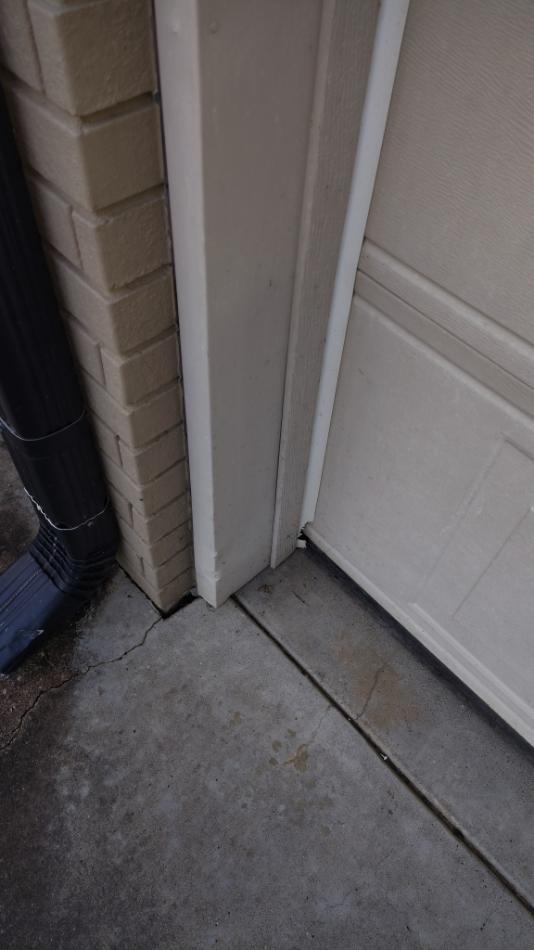
We saw damaged and separated trim near the base of the garage door opening. That gap leaves the edge of the opening exposed. We flagged the damaged trim for repair.
Debris along a window track
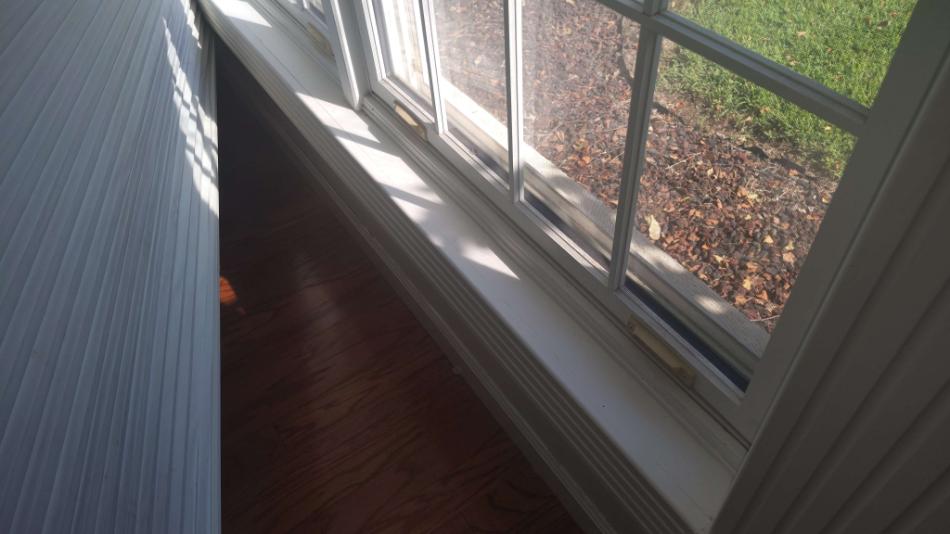
Dirt and debris had collected at the lower window track, where the finish also showed wear. The track can hold moisture and buildup can affect operation. We recommended cleaning the track and repairing the deteriorated finish.
Gaps above a door frame
We found uneven sealing and visible gaps at the top of the door frame. The report noted deterioration nearby and flagged the header area for repair.
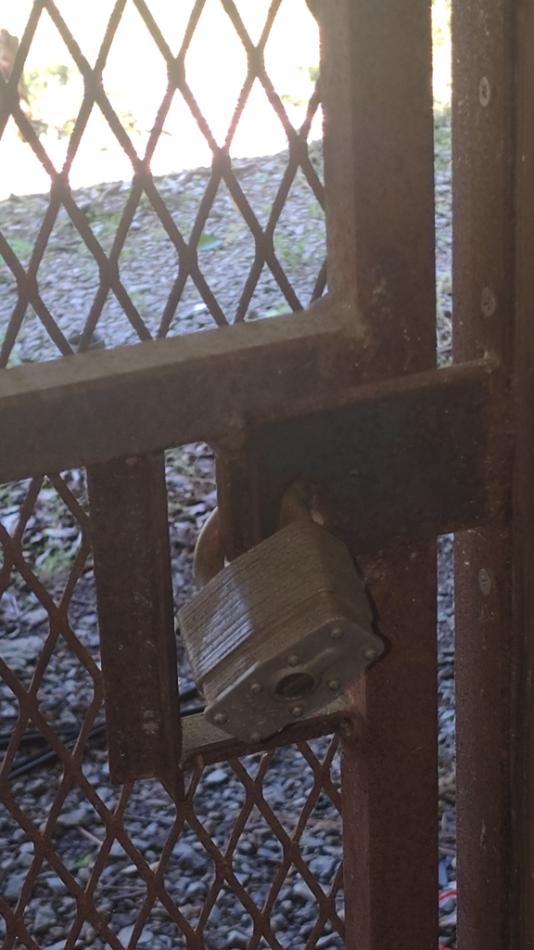
A padlock took the place of door hardware
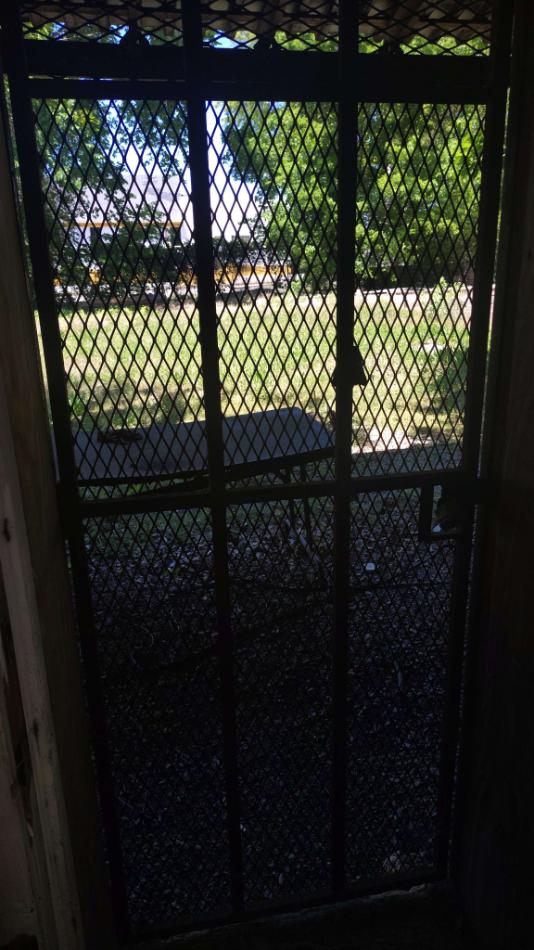
We documented a corroded metal door secured with improvised hardware. The report flagged the door for follow-up because its normal latch or handle was missing or no longer working.
Broken glass still in the window frame
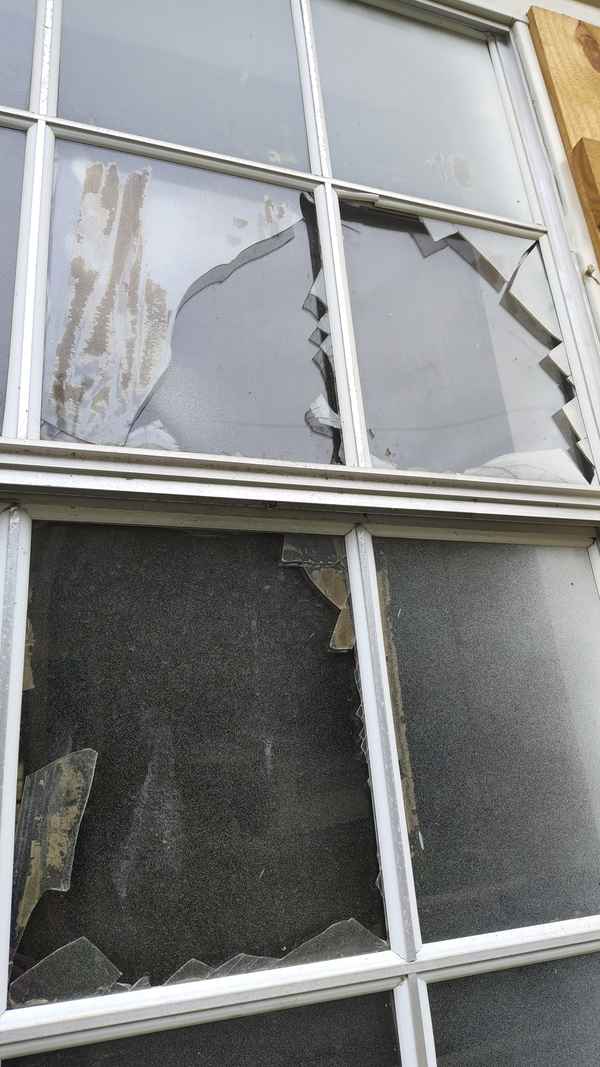
We found broken glass still in place at a window. The report flagged the damaged glazing for professional replacement to address the sharp edges and restore the opening.
Look at the junctions and the operation
The header gap and detached trim establish locations for further evaluation of the opening. Hardware changes require attention to how the door is intended to operate and be used. The photographs document the observed arrangements without claiming that every gap represents structural movement or that every hardware substitution has the same consequence.
Make the follow-up specific
The recommendations called for appropriate repair of the affected components and evaluation where deterioration was present. A buyer should be able to identify which opening was repaired and what was done. General promises to adjust the doors or clean the windows can leave the documented glass, frame or hardware concern unanswered.
Related inspection insights
For related context, read Window Flashing: Why the “Tape” Behind Your Siding Is Your Only Defense and Fogged Windows: Why Broken Thermal Seals Are More Than Cosmetic.
Learn more about our home inspection services and the way we document building conditions for buyers and property owners.
By Wesley Upchurch. This article draws on documented inspection observations and photographs. Images show conditions at the time of inspection; later repairs are not established unless stated. Property addresses and client details are omitted.