
One of the easiest traps for buyers to fall into is judging a home’s systems by how they look instead of how long they’ve been in service. A clean furnace, a freshly painted electrical panel, or a water heater tucked neatly into a utility closet can give the impression that everything is in good shape.
During inspections, we see this all the time. A client points to a system and says, “It looks fine,” and they’re not wrong—visually. The problem is that appearance rarely tells the full story, and in many cases, it tells very little at all.
The Clean Furnace That’s on Borrowed Time
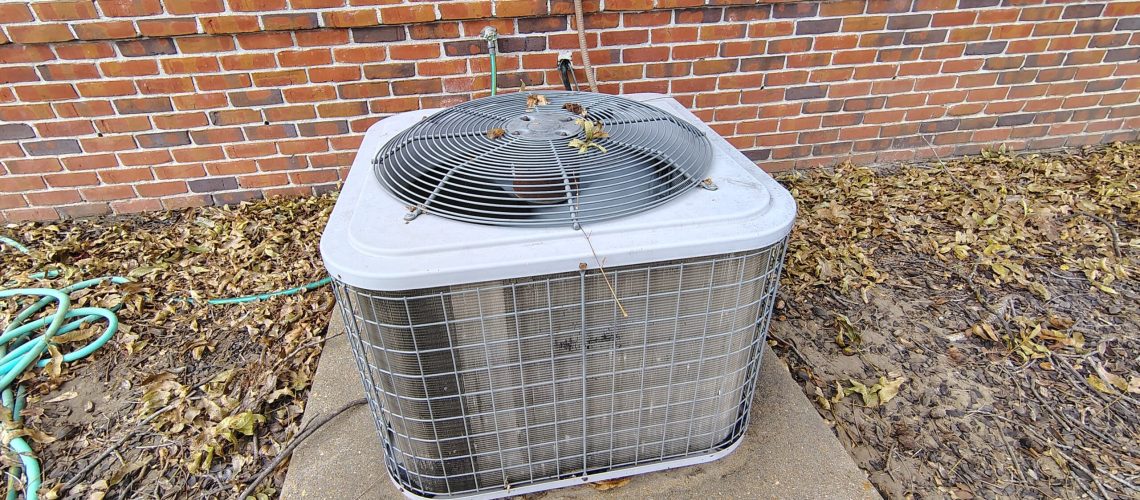
We’ve inspected plenty of homes where the HVAC system looked almost new. No rust. No debris. Clean cabinet. Quiet operation.
Then we check the data plate and find out the unit is 17 or 18 years old.
From the buyer’s perspective, this is confusing. It looks good, it runs during the inspection, and there’s no obvious defect to point to. From an inspector’s perspective, though, age immediately changes the conversation.
Most residential HVAC systems have a typical service life. Some last longer, some fail earlier, but once a system is past its expected range, the risk profile shifts. Internal components wear out. Efficiency drops. Replacement parts become harder to source. A clean exterior doesn’t change any of that.
Why Sellers Often Improve Appearance Before Listing
Fresh paint, new covers, cleaned equipment, and organized utility spaces are common in homes about to hit the market. None of that is inherently deceptive. Sellers want their home to present well.
But cosmetic improvement can mask age-related risk.
We’ve seen electrical panels with new labels and fresh paint that were still original to the home and undersized for modern use. We’ve seen water heaters that looked spotless on the outside but were well past their expected lifespan internally.
Visual condition tells you how something was treated recently. Age tells you how long it has been working.
Plumbing Is the Best Example of This Disconnect
Plumbing systems are often hidden, and what’s visible is only a small portion of the whole.
A supply line under a sink might look brand new, while the rest of the plumbing system is original and nearing the end of its service life. A clean shutoff valve doesn’t tell you anything about the condition of piping inside walls or below the slab.
We’ve also seen homes where newer fixtures were installed on aging plumbing, creating a false sense of system-wide improvement. The fixtures look modern, but the infrastructure feeding them is still decades old.
Why Age Changes How Inspectors Interpret “Working”
When a system is new, normal operation during an inspection is reassuring. When a system is old, normal operation simply means it hasn’t failed yet.
That’s an important distinction.
An older system can operate exactly as intended during a two- or three-hour inspection and still be much closer to failure than it appears. Inspections don’t stress systems to the point of breakdown. They observe function under typical conditions.
That’s why inspectors talk about remaining service life instead of guarantees.
Appearance Doesn’t Reveal Internal Wear
Many of the most critical components in a home are sealed, enclosed, or buried.
Heat exchangers, compressor coils, internal wiring, plumbing interiors, and structural fasteners all deteriorate in ways you can’t see from the outside. Age is often the only reliable indicator that wear is occurring.
This is especially true in regions like ours, where humidity, temperature swings, and soil conditions accelerate aging even when systems are well maintained.
How Buyers Get Caught Off Guard
Buyers who focus on appearance tend to assume that future costs are minimal. They budget for paint and flooring, not for system replacement.
When an older system fails six months or a year after closing, it feels sudden—even though the inspection likely noted age and typical service life.
The disconnect isn’t between inspection and reality. It’s between expectation and how homes actually age.
How We Explain This During Inspections
At Upchurch Inspection, we spend time explaining what age means in practical terms.
We don’t say, “This will fail soon.” We explain:
- Where the system falls within its typical lifespan
- What replacement usually involves
- How buyers should think about timing and budgeting
That information helps clients decide whether the home still makes sense for them—not just today, but a few years down the road.
Why Age Is Often a Bigger Deal Than a Defect
A visible defect usually has a defined scope. It can be repaired, corrected, or monitored.
Age-related risk is broader. It affects planning, budgeting, and long-term ownership. It’s not about whether something works today—it’s about how much margin for error remains.
A home with older systems can still be a great purchase. But it’s a different purchase than one with newer infrastructure, even if both look equally “nice.”
System age doesn’t announce itself with leaks, sparks, or noise. It works quietly in the background until one day it doesn’t.
Understanding that difference helps buyers interpret inspections realistically—and helps homeowners avoid being surprised by costs that were always part of the picture.