
TL;DR:
- Property management inspections assess a rental property’s condition, lease compliance, and maintenance needs to protect assets. Conducting thorough, documented inspections regularly helps catch issues early, reduces repair costs, and supports legal defenses. High-quality reports with detailed photos and specific notes build tenant trust, prevent disputes, and ensure safety compliance.
Property management inspections are the systematic process of assessing and documenting a rental property’s physical condition, lease compliance, and maintenance status to protect the owner’s asset and support tenant relations. The role of inspections for property managers extends well beyond a walkthrough with a clipboard. Done correctly, inspections create a legal record, catch deferred maintenance before it compounds, and give tenants clear evidence that their concerns are taken seriously. This guide covers what to look for, how to structure your inspection workflow, and where most property managers go wrong.
What do property managers look for during an inspection?
A property inspection covers three distinct categories: physical condition, lease compliance, and maintenance needs. Each category serves a different purpose, and skipping any one of them weakens the entire assessment.

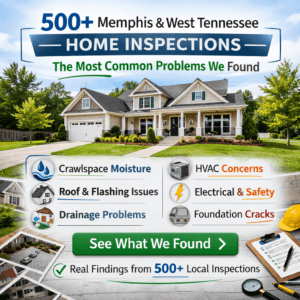
Physical condition includes structural elements, cosmetic wear, and safety devices. Inspectors check walls, ceilings, and floors for cracks, staining, or soft spots that suggest moisture intrusion. Windows and doors get tested for proper operation. Smoke detectors, carbon monoxide alarms, and GFCI outlets are verified as functional. In Memphis and West Tennessee, where humidity is persistent, inspectors pay close attention to crawl space moisture, attic ventilation, and signs of mold at window frames and HVAC supply registers.
Lease compliance checks confirm that the tenant is using the property as agreed. This includes verifying occupancy limits, checking for unauthorized pets or alterations, and confirming that no subletting has occurred without approval. These checks are not about catching tenants in violations for sport. They protect the owner from liability and keep the property in insurable condition.
Maintenance needs cover wear and tear that requires attention before it becomes a repair bill. A slow drain, a loose handrail, a cracked caulk line at the tub, a dripping faucet. These items are inexpensive to fix early and expensive to ignore. Routine inspections catch problems early, protect investments, improve safety, and extend the service life of major systems.
A solid property management inspection checklist covers all three categories with room for photo documentation and written commentary on each item.
- Structural and cosmetic condition of walls, ceilings, floors, and exterior
- Operational check of windows, doors, locks, and garage mechanisms
- Safety device verification: smoke detectors, CO alarms, GFCI outlets, fire extinguishers
- Plumbing: water pressure, drainage, visible supply lines, water heater condition
- HVAC: filter condition, airflow, thermostat response, visible ductwork
- Electrical: panel condition, outlet function, visible wiring concerns
- Moisture indicators: staining, efflorescence, soft flooring, musty odor
- Lease compliance: occupancy, pets, alterations, cleanliness
Pro Tip: Take photos in landscape orientation with the flash off and natural light where possible. Blurry or dark photos are nearly useless in a dispute. Every photo should show context, not just a close-up of the defect.
How routine inspection workflows protect property value
The three inspection types that matter most are move-in, periodic, and move-out. Each serves a distinct function, and these workflows are industry standard for security deposit reconciliation and legal defensibility.
Move-in inspection. Conducted before or on the day the tenant takes possession. Both parties sign off on the documented condition. This report is the baseline against which all future assessments are measured. Without it, any damage claim at move-out is essentially unenforceable.
Periodic inspections. Typically conducted every 3–6 months during a tenancy. These catch maintenance issues early, confirm lease compliance, and give tenants a formal channel to report concerns. Periodic inspections reduce landlord-tenant friction by creating transparent, evidence-based records that prompt timely maintenance.
Move-out inspection. Conducted after the tenant vacates. Compared directly against the move-in report to identify damage beyond fair wear and tear. Detailed inspection reports serve as primary evidence distinguishing normal wear from tenant-caused damage at tenancy end.
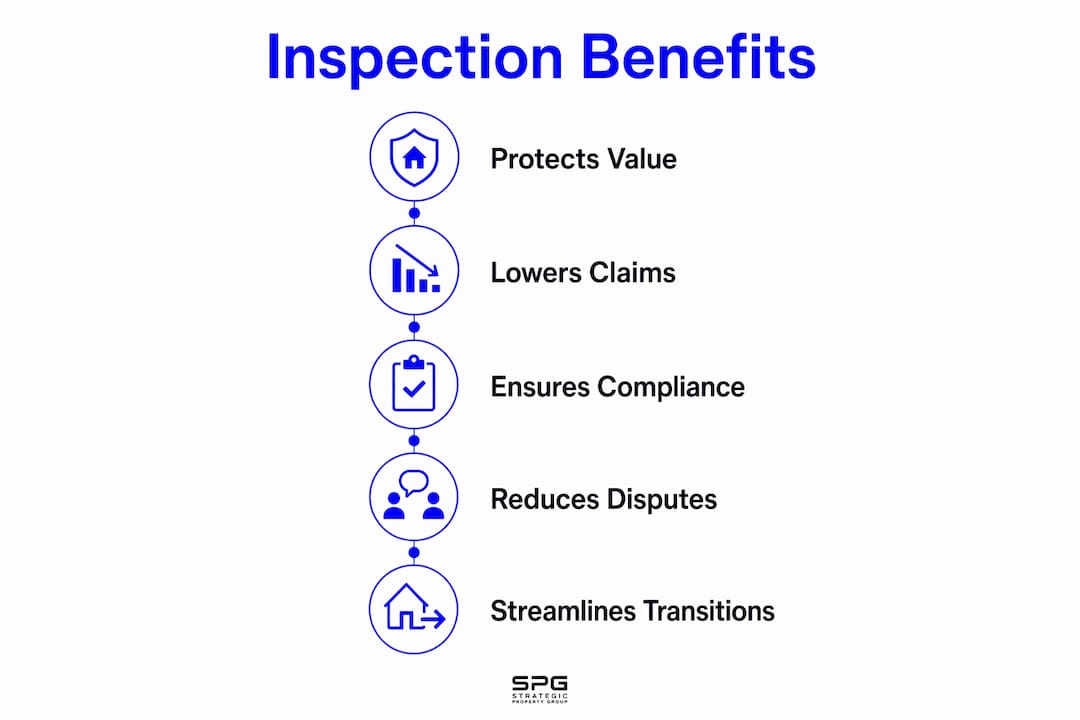
The financial case for this workflow is straightforward. Annual or periodic inspections reduce insurance claims, lower lifetime repair costs, and provide proof of responsible ownership. That proof matters at resale, during insurance audits, and in any legal proceeding involving the property.
Standardized digital templates improve this process significantly. The best property managers use digital inspection templates to promote consistency and establish defensible legal records across their portfolios. A template forces the inspector to address every system, every time, regardless of how rushed the schedule feels.
Common pitfalls in property inspections and how to avoid them
Most inspection failures come down to speed and documentation quality, not a lack of knowledge. Property managers who rush through a unit in 15 minutes and submit a report with three vague notes and two blurry photos have created a document that helps no one.
The most common mistakes include:
- Rushing the inspection. A thorough inspection of a single-family home takes 45–90 minutes. Multi-unit properties take longer per unit when done properly. Cutting time cuts accuracy.
- Vague written commentary. “Bathroom needs attention” is not a finding. “Caulk at tub surround is cracked and separating at the back wall, allowing potential water intrusion behind tile” is a finding. Specificity is what makes a report defensible.
- Poor photo documentation. High-quality, date-stamped photos combined with descriptive commentary protect owners during legal challenges or insurance claims. Generic or blurry photos undermine that protection entirely.
- Treating inspections as tenant surveillance. This mindset produces adversarial relationships and misses the actual purpose. Inspections are a risk management tool, not a compliance audit designed to catch tenants doing something wrong.
- Skipping change-of-management inspections. When a new property manager takes over a portfolio, scheduling a change-of-management inspection sets a fresh baseline and protects the incoming manager from liability for pre-existing issues they did not cause.
Pro Tip: Schedule periodic inspections at the same time of year, ideally in spring and fall. Spring catches winter moisture damage early. Fall identifies weatherproofing issues before heating season. Consistent timing also makes year-over-year comparisons more meaningful.
How inspections improve compliance and reduce tenant disputes
Inspections build the evidentiary record that makes property management defensible. Without that record, disputes over security deposits, damage claims, and maintenance obligations become a matter of competing stories with no objective reference point.
Inspection reports are second only to lease agreements in legal significance within property management. That ranking reflects how often inspection documentation determines the outcome of tribunal hearings and small claims proceedings. A well-documented move-in report eliminates most deposit disputes before they start.
“Routine inspections are a preventative tool, not just oversight. They reduce friction and ensure obligations are met on time, protecting both landlords and tenants.” — Preferental
Transparent inspection practices also improve tenant satisfaction in ways that are easy to underestimate. When a tenant sees that a maintenance item they reported in october was documented during the november inspection and repaired by december, they trust the process. That trust reduces turnover, which is one of the most expensive outcomes in residential property management. A tenant who feels ignored leaves. A tenant who sees evidence-based follow-through tends to renew.
Safety code compliance is another direct benefit. Inspections verify that smoke detectors are functional, that GFCI outlets are present in wet areas, and that handrails meet code. In Tennessee, landlord liability for habitability failures is real. Documented inspections showing regular safety checks reduce that exposure significantly. For property managers overseeing apartment building portfolios, this compliance layer is not optional.
The role of inspections in real estate extends to tenancy transitions as well. A clean, documented move-out process with photos and a signed report makes the next tenancy start faster and cleaner. It also removes the ambiguity that causes most security deposit disputes.
Key takeaways
Regular property inspections are the most reliable tool property managers have for protecting asset value, maintaining compliance, and reducing tenant disputes across a portfolio.
| Point | Details |
|---|---|
| Move-in reports are non-negotiable | Without a signed baseline report, damage claims at move-out are nearly impossible to enforce. |
| Digital templates improve consistency | Standardized checklists applied portfolio-wide create defensible legal records and reduce inspector error. |
| Photo quality determines report value | Date-stamped, well-lit photos with specific written commentary are what hold up in tribunal and insurance proceedings. |
| Periodic inspections reduce repair costs | Catching deferred maintenance early converts emergency repairs into planned, lower-cost maintenance. |
| Change-of-management inspections protect new managers | A baseline inspection at portfolio handover prevents inherited liability for pre-existing conditions. |
What I’ve learned from years of watching inspection reports hold up — or fall apart
I’ve reviewed a lot of inspection reports over the years, and the pattern is consistent. The reports that protect owners in disputes are not the longest ones. They are the most specific ones. A report that says “water staining at ceiling, approximately 12 inches in diameter, located at northeast corner of master bedroom, consistent with roof penetration above” gives an attorney, an adjuster, or a tribunal something to work with. A report that says “ceiling has a stain” gives nobody anything.
The other thing I’ve noticed is that property managers who treat inspections as a burden tend to produce reports that reflect that attitude. Rushed, incomplete, photo-light. The managers who treat inspections as an asset management tool produce reports that actually function as one. The difference shows up most clearly at the end of a tenancy, when the documentation either supports the owner’s position or leaves them with nothing.
New property managers often ask how thorough is thorough enough. My answer is: thorough enough that you could hand the report to someone who has never seen the property and they would understand its condition completely. If the report requires the inspector’s memory to interpret, it is not thorough enough.
Sustainable property portfolios are built on consistent documentation. One missed inspection, one vague report, one set of blurry photos can cost an owner thousands of dollars in a dispute they should have won. The inspection is cheap. The gap in documentation is not.
— Holly
How Upchurchinspection supports property managers in the Mid-South
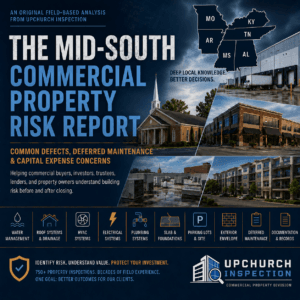
Property managers in Memphis and West Tennessee face specific challenges: persistent humidity, aging housing stock, and properties where deferred maintenance can compound quickly. Upchurchinspection provides detailed residential and commercial inspection reports that go beyond surface-level checklists, covering plumbing, electrical, structural, and HVAC systems with the specificity that holds up in legal and financial proceedings. For property managers building or refining their inspection workflows, the benefits of regular inspections page outlines what consistent, professional assessments deliver for owners and managers alike. Our inspectors exceed state qualification standards, and our reports are built to function as asset management documents, not just walkthrough summaries.
FAQ
What is the role of inspections for property managers?
Property management inspections systematically assess and document a rental property’s physical condition, lease compliance, and maintenance status. They protect the owner’s asset, support legal defensibility, and maintain tenant relations.
How often should property managers conduct inspections?
Periodic inspections are typically conducted every 3–6 months during a tenancy, with move-in and move-out inspections at each tenancy transition. Consistent scheduling improves year-over-year comparisons and catches seasonal maintenance issues early.
What makes an inspection report legally defensible?
Quality inspection documentation requires high-quality, date-stamped photos and detailed written notes specific enough to withstand tribunal scrutiny and insurance claims. Vague notes and blurry photos undermine the report’s value entirely.
What is a change-of-management inspection?
A change-of-management inspection is conducted when a new property manager takes over a portfolio. It establishes an objective baseline that protects the incoming manager from liability for pre-existing conditions they did not cause.
How do inspections reduce tenant disputes?
Inspections create transparent, evidence-based records that document property condition at every stage of the tenancy. That documentation removes ambiguity from deposit disputes and gives both parties an objective reference point for any disagreement.