TL;DR:
- Most buyers enter home inspections unprepared, often missing critical questions about safety and major systems. Asking about system age, safety hazards, and specialized tests helps identify costly repairs and negotiates more effectively. Attending in person and engaging with the inspector ensures a thorough understanding and better protection for your investment.
Most buyers walk into a home inspection without knowing which questions actually matter. They nod along, collect a thick report, and sign the papers without fully understanding what they bought. Knowing the right questions to ask home inspector professionals changes that entirely. The right questions reveal whether you’re buying a solid investment or inheriting a list of expensive repairs. This guide breaks down exactly what to ask, when to ask it, and how to use those answers to protect your purchase.
Table of Contents
- Key takeaways
- 1. What a standard home inspection actually covers
- 2. Essential credentials to verify before hiring
- 3. Top questions to ask about the home’s major systems
- 4. How to use inspection findings to negotiate
- 5. Practical tips for attending the inspection and engaging effectively
- My honest take on what most buyers get wrong
- Work with inspectors who help you ask the right questions
- FAQ
Key takeaways
| Point | Details |
|---|---|
| Ask before you hire | Verify credentials, insurance, and local experience before scheduling an inspection. |
| Attend in person | Being present lets you ask live questions and gain context no written report can fully provide. |
| Focus on systems, not surfaces | Prioritize questions about structural integrity, electrical safety, HVAC age, and plumbing over cosmetic issues. |
| Use findings in negotiations | Safety hazards and major defects are your strongest leverage points for price reductions or repair credits. |
| Specialized tests matter | A standard inspection won’t catch mold, radon, or pests. Ask your inspector what add-on tests are recommended. |
1. What a standard home inspection actually covers
Before you build your list of home inspection questions, you need to understand what the inspector is actually evaluating. A thorough inspection covers over 300 individual items across 10 major systems, including the roof, foundation, framing, electrical, plumbing, HVAC, insulation, windows, and doors.
That scope sounds thorough. It is. But there are real limits. The inspection is non-invasive and visual only, meaning inspectors do not move furniture, open walls, or dismantle any systems. Hidden defects behind drywall or beneath flooring can go undetected through no fault of the inspector.
There are also outright exclusions from a standard inspection:
- Mold testing (requires a separate air or surface sample test)
- Radon detection (a specialized radon test is needed)
- Pest and termite damage (typically a separate inspection)
- Sewer line condition (requires a camera scope)
- Asbestos or lead paint testing
The typical inspection takes 2 to 4 hours and costs $300 to $600, with specialized add-on tests priced separately. Knowing these limits upfront tells you exactly where your standard home inspector checklist ends and where additional testing begins.
Pro Tip: Ask your inspector at the start of the walkthrough whether they recommend any specialized tests based on the home’s age, location, or visible conditions. This one question can surface risks the standard report won’t catch.
2. Essential credentials to verify before hiring
Interviewing a home inspector before you hire them is not optional. It is one of the most effective ways to protect your investment before you spend a dollar on the inspection itself.
State licensing requirements vary significantly across the country. That inconsistency means a licensed inspector in one state may have completed far less training than one in another. This is exactly why verifying credentials like ASHI or InterNACHI certification matters. Both organizations hold members to national standards that typically exceed minimum state requirements.
Here is what to ask and verify when interviewing a home inspector:
- Are you licensed in this state? Confirm the license number and verify it independently if possible.
- Do you hold ASHI or InterNACHI certification? These credentials indicate ongoing education and adherence to professional standards.
- Do you carry Errors and Omissions insurance? Most buyers overlook this, but E&O insurance protects you financially if a significant defect is missed during the inspection.
- How many inspections have you completed in this area? Local experience matters. An inspector familiar with Mid-South construction methods, soil conditions, and climate will catch things an outsider might miss.
- Do you participate in continuing education? Standards evolve. Active inspectors stay current on building codes, emerging materials, and updated safety requirements.
The Upchurch inspection team, for example, holds certifications that exceed state minimum standards, which reflects exactly the kind of professional accountability you should expect from any inspector you hire.
3. Top questions to ask about the home’s major systems
This is where essential questions for inspectors do the most work. Once the walkthrough begins, these are the questions that separate informed buyers from those who get surprised after closing.
Roof:
- How old is the roof, and what is its estimated remaining life?
- Are there signs of active or past leaks?
- Are the flashing, gutters, and drainage adequate?
Electrical:
- Is the electrical panel up to current safety standards?
- Are there any double-tapped breakers, aluminum wiring, or ungrounded outlets?
- Is there evidence of DIY electrical work that may not meet code?
Plumbing:
- What material are the supply and drain pipes? (Galvanized, copper, PVC, polybutylene?)
- Is water pressure adequate, and are there signs of leaks or slow drainage?
- How old is the water heater, and is it properly secured and vented?
HVAC:
- How old are the heating and cooling systems, and when were they last serviced?
- Are the systems functioning properly at the time of inspection?
- Is the ductwork in good condition, and is there adequate airflow throughout the home?
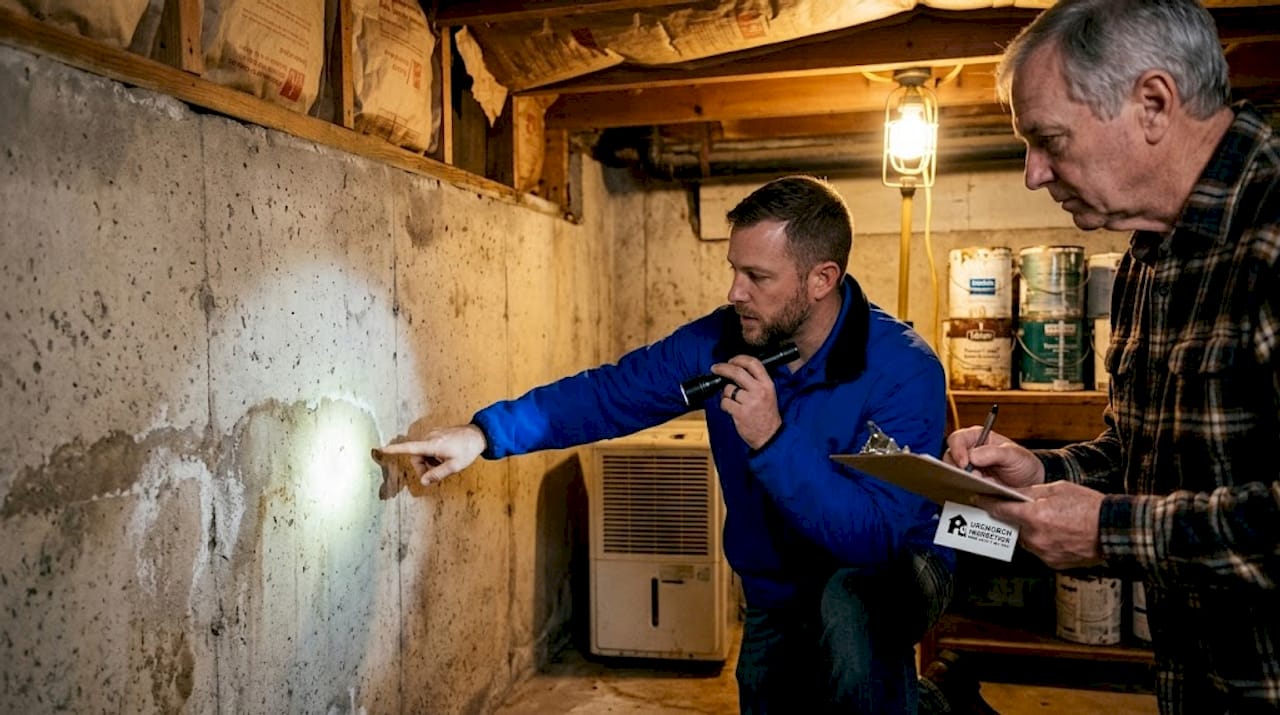
Foundation and structure:
- Are there cracks in the foundation, and if so, are they structural or cosmetic?
- Is there evidence of settling, shifting, or moisture intrusion at the base of the home?
Asking about structural safety hazards early in the walkthrough gives you time to follow up on any flagged areas before the inspection ends. When 86% of inspections find at least one issue, often in roofing or electrical systems, this is not the time to be passive.
Pro Tip: Ask the inspector to separate safety hazards from routine maintenance items in plain language. That distinction tells you what needs immediate attention versus what you can plan for over time.
4. How to use inspection findings to negotiate
Knowing the right home inspection questions is only half the equation. The other half is knowing how to use the answers once the report is in your hands.
The single most important principle here is one that experienced buyers and investors both rely on: focus negotiation on safety and structural defects, not cosmetic issues. Sellers are far more likely to respond to repair requests or price adjustments tied to a failed electrical panel or a compromised roof than to chipped paint or dated fixtures.
Here is how to approach the post-inspection negotiation:
- Ask your inspector to rank defects by severity. Some inspectors will verbally walk you through what they see as urgent versus minor. That prioritization is valuable context for your negotiation.
- Request repair cost estimates. The inspector typically cannot provide exact quotes, but asking about defect severity and repair implications helps you assess what further contractor estimates you need.
- Decide on your strategy. You have several options after receiving the report: request the seller complete repairs before closing, negotiate a price reduction equal to estimated repair costs, ask for a credit at closing, or walk away if defects are severe enough.
- Understand what the report cannot tell you. The inspection is a snapshot. It documents visible conditions at a single moment in time and does not predict every future failure.
Learning how to prepare for a home inspection before the walkthrough puts you in a stronger position when it comes time to review findings and make those decisions.
5. Practical tips for attending the inspection and engaging effectively
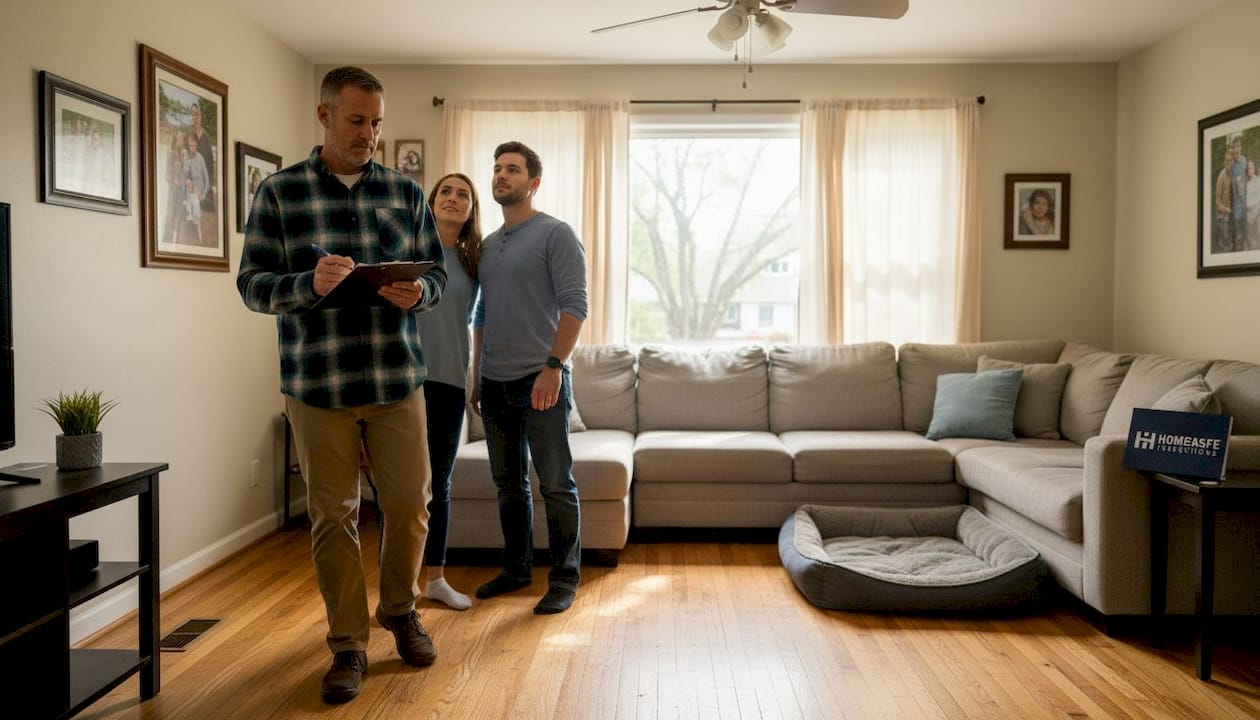
Attending the inspection in person is one of the most consequential decisions a buyer can make. Buyers who attend gain better context and can ask questions directly, which is the most effective way to understand the home’s real maintenance needs. Reading a written report later is useful. Watching the inspector find an issue and explain it on the spot is something else entirely.
Here is how to get the most out of being there:
- Ask how to operate key systems. Request a demonstration of the main water shutoff, sump pump, furnace filter access, and breaker panel. Inspectors can teach buyers these skills during the walkthrough, and it adds real practical value.
- Request plain-language explanations. If an inspector uses a term you do not recognize, stop and ask them to explain it without the technical shorthand. Good inspectors expect this.
- Ask about maintenance schedules. Beyond defects, the inspector can tell you when systems will need servicing or replacement based on their current age and condition.
- Clarify what is in the report versus what is verbal. Some observations may be mentioned during the walkthrough but not detailed in writing. Ask the inspector to confirm what will appear in the final report.
Understanding the visual nature of inspections helps you appreciate both what the inspector can tell you and where the boundaries are, so you can ask the right follow-up questions.
Pro Tip: Take notes or photos throughout the walkthrough, especially when the inspector points out specific areas of concern. These supplement the written report and help you ask informed questions during negotiation.
My honest take on what most buyers get wrong
I’ve seen buyers arrive at inspections ready to be told the home is fine. They want reassurance, not information. That mindset is the most expensive mistake you can make in a real estate transaction.
In my experience, the buyers who get the best outcomes are the ones who show up with a list of questions already written down and who stay engaged for the full walkthrough. Not to be difficult. To actually learn what they are buying. One conversation with the inspector about a 20-year-old HVAC system or deteriorating roof flashing can change the entire direction of a negotiation or prevent a walk to the closing table that should have been a walk-away.
What I’ve learned is that the inspection report matters far less than the conversation you have during it. A written report documents findings, but the inspector’s verbal commentary is where the real judgment lives. What they emphasize, what they say is unusual, what they recommend testing further. That context does not translate fully onto paper.
The questions I prioritize most for home inspector professionals are about deferred maintenance and system age. A house can look perfect and still have an HVAC system two years from total failure or a roof one storm away from serious damage. Those are the conditions that shape your offer, not the ones that show up in photos.
If there is one thing I want buyers to take away from this, it is that the inspection is a collaborative process. Ask everything. There are no bad questions when you are about to make one of the largest purchases of your life.
— Wes
Work with inspectors who help you ask the right questions
A quality inspection is only as useful as the conversation that surrounds it. At Upchurchinspection, we conduct full home inspections that cover all major systems with reports designed to be clear and usable, not just comprehensive on paper. Our inspectors hold certifications exceeding state standards and are committed to educating clients throughout the process.
Whether you need a standard pre-purchase evaluation, mold testing, or a deeper look at structural conditions, we are equipped to support your decision. You can also start by reviewing what a home inspection covers before you schedule so you arrive prepared and know exactly what to ask. Serving buyers and investors across Tennessee, Arkansas, Mississippi, and Southeast Missouri, we make sure you leave the inspection with answers, not just a report.
FAQ
What are the most important questions to ask home inspector professionals?
Ask about roof age and condition, electrical panel safety, plumbing materials, HVAC system age, and any signs of foundation movement or moisture intrusion. These areas represent the highest-cost repairs and the greatest safety risks.
Should I attend the home inspection in person?
Yes, without exception. Buyers who attend gain direct context and can ask questions on the spot, which is the most effective way to understand the home’s condition and maintenance needs.
Does a standard home inspection cover mold or radon?
No. A standard inspection is visual and non-invasive and does not include mold, radon, pest, or sewer line testing. These require separate specialized tests, which your inspector can typically recommend or arrange.
How do inspection findings affect negotiations?
Safety hazards and structural defects are your strongest negotiation points. Sellers are more likely to offer price reductions or credits for issues that affect habitability or safety than for cosmetic deficiencies.
How do I verify a home inspector’s qualifications?
Ask for their state license number, confirm they hold ASHI or InterNACHI certification, and verify they carry Errors and Omissions insurance. These three factors together indicate a professional with accountability and protection for clients.