
Not every home in Memphis needs laboratory mold testing. In many cases, the better first step is a mold inspection focused on moisture history, visible growth, crawl spaces, attic conditions, and the source of a musty odor. Testing becomes more useful when the source is unclear, documentation is needed for a real-estate transaction, or you need post-remediation clearance.
That distinction matters locally. Memphis homes deal with heavy rain, humid summers, older housing stock, crawl spaces, and periodic flooding conditions that can keep materials damp long enough for mold to take hold. A recent Tennessee-focused climate review described Memphis as the state’s highest-risk metro for mold because of its humidity, older buildings, and repeated flood exposure, while noting CDC guidance linking dampness and mold with health concerns in buildings with persistent moisture state report.
Shelby County’s Mold FAQ makes a similar point: routine sampling is not always recommended, but hidden mold concerns may justify bringing in an experienced professional. My view is simple: if the next step is obviously to fix wet materials and remove visible contamination, testing often will not change the recommendation. If the problem is hidden, disputed, or needs documentation, testing can earn its keep.
Understanding Mold and Why It’s a Concern
Mold is a type of fungus that thrives in damp, humid conditions. It grows by releasing spores into the air, which can trigger allergic reactions and respiratory issues when inhaled. Fortunately, for most individuals, mold does not cause serious health concerns. However, molds do have the potential to cause health problems, particularly in people who are sensitive to it. Molds produce substances that can cause allergic reactions, irritants, and sometimes potentially toxic substances (mycotoxins). There are many types of mold, but the most common indoor molds include Aspergillus, Penicillium, Cladosporium, and Stachybotrys (commonly known as black mold). While some molds are relatively harmless, others, particularly black mold, can cause serious health problems, including respiratory issues, skin irritation, and more severe effects in people with compromised immune systems. For a plain-English breakdown of color differences and risk claims, see J.G. Carpet Cleaning LLC.
The same amount of mold may cause health effects in one person but not in another. Some types of people who may be sensitive to mold include the very young and very old, people with respiratory conditions, such as asthma, and people with compromised immune systems. Mold is commonly found in areas with moisture, such as basements, bathrooms, kitchens, or areas with water damage, like leaky roofs, plumbing issues, or flooding. Given these potential health risks, assessing whether you have mold in your home or a property you’re considering buying in Memphis is important.
Is Mold a Problem in Memphis, Tennessee?
Memphis, located in the Mid-South region of the United States, experiences a humid subtropical climate. This means summers are hot and humid, while winters are generally mild and wet. While Memphis isn’t as prone to constant high humidity levels as coastal areas, its climate can still create favorable conditions for mold growth, especially during heavy rainfall or flooding periods.
Memphis also experiences occasional flooding and high groundwater levels, which can increase the likelihood of water infiltration in homes. Homes with basements or those built in areas prone to water runoff are more likely to face mold problems due to increased moisture levels. Areas with poor ventilation, plumbing leaks, or humidity buildup are also more susceptible to mold growth.
If you live in Memphis or are considering purchasing a property in the area, you should be aware of the potential for mold growth, especially after major storms, flooding, or periods of high humidity.
How We Decide Whether a Mold Inspection or Mold Test Makes Sense
We do not start from the assumption that every stain, odor, or allergy complaint needs sampling. We start with the conditions that drive mold problems: moisture intrusion, elevated humidity, poor drying, hidden cavities, and whether the answer will change what the client should do next.
Here is the basic decision framework we use:
- Visible mold with an obvious moisture source: inspection and moisture correction first; testing is often unnecessary.
- Musty odor but no visible source: inspection plus moisture mapping is usually the right first move, with sampling only if the source remains unclear.
- Recent leak, flood, or long-term dampness: inspection is warranted even if surfaces look dry now, because mold can develop quickly on wet materials; the EPA notes that mold can begin growing within 24 to 48 hours after water exposure EPA mold basics.
- Health complaints tied to time spent in the home: inspection may help identify moisture and contamination patterns, but testing should be interpreted carefully and is not a medical diagnosis.
- Real-estate due diligence: buyers often benefit from an inspection when a home has a history of leaks, crawl-space moisture, staining, or a persistent odor; testing can be useful if documentation is needed for negotiations.
- After cleanup or remediation: clearance-style testing may make sense when you need evidence that the area was properly cleaned and dried.
What makes testing unnecessary? In my opinion, the clearest example is obvious fungal growth on water-damaged drywall, trim, insulation, or subflooring. In that situation, lab confirmation rarely changes the immediate recommendation: stop the moisture source, remove damaged porous materials as needed, clean remaining surfaces properly, and dry the area thoroughly. The EPA also cautions that routine sampling is often unnecessary when visible mold is already present because no federal standards define an acceptable amount of indoor mold EPA brief guide.
When Should You Consider a Mold Test in Memphis?
If you want the short answer: not every home needs a mold test, but many Memphis homes do benefit from a mold inspection when there is a moisture history, a musty smell, prior flooding, or uncertainty about whether contamination is still active.
Visible growth on walls, ceilings, framing, or stored items
When mold is clearly visible, the best next step is usually a visual inspection tied to moisture mapping, not a rush to lab sampling. The practical question is where the water is coming from and how far the damage extends into adjacent materials, especially in crawl spaces, around HVAC equipment, near roof penetrations, and below plumbing lines. I would usually recommend remediation planning first if the growth is obvious, because a test result rarely changes the need to fix the leak and remove damaged materials.
Musty odor with no visible source
A persistent earthy smell is one of the strongest reasons to schedule a Memphis mold inspection. In older homes, the source may be under flooring, inside wall cavities, in a damp crawl space, around an air handler, or in an attic with poor ventilation. This is one of the situations where air sampling or targeted surface sampling can add value, because the inspection may suggest hidden growth without exposing it directly.
Prior leaks, flooding, or chronic dampness
After roof leaks, plumbing failures, basement seepage, or storm-related water entry, inspection should happen even if the visible water is gone. Memphis gets substantial annual rainfall and humidity, and local pricing guides commonly put inspection around $250 to $450 while remediation can climb far beyond that, especially if damage spreads through multiple rooms Memphis cost overview. If materials were dried quickly and there is no odor or staining, sampling may not be necessary. If drying was delayed, hidden cavities stayed wet, or the home has recurring dampness, conducting a mold test may help document the extent of an active issue.
Buying a home in Memphis
For a home purchase, inspection is usually the right starting point when the property shows staining, patched ceilings, crawl-space moisture, foundation seepage, old flood history, or a strong odor. Buyers are not just paying to identify mold; they are paying to understand whether there is an unresolved moisture problem that could keep causing damage after closing. In my view, testing is worth adding during due diligence when the findings are borderline, the seller disputes the issue, or you need stronger documentation before negotiating repairs or credits.
After mold cleanup or remediation
Post-remediation clearance is one of the better reasons to pay for testing. Here, the goal is not to ask whether mold exists somewhere in the world; it is to verify that the cleaned area is dry, that containment work was effective, and that airborne conditions are back to a normal range for that building context. This is especially useful after a larger remediation project, an insurance claim, or contractor-performed cleanup.
Occupant symptoms that seem tied to the building
If symptoms flare up mainly when someone is in the home, a building inspection can be reasonable, particularly when there is also an odor, condensation, leak history, or HVAC moisture problem. Memphis has a long history of respiratory-health concerns; one university report noted the city ranked among the nation’s top asthma capitals for five consecutive years from 2011 to 2015, underscoring why indoor dampness should be taken seriously Memphis research report. That said, I would not treat a mold test as a stand-alone health answer. It is building evidence, not medical advice.
Quick decision guide
Schedule a mold inspection first when:
- you smell mold but cannot find it
- the home has had leaks, flooding, or chronic humidity
- a crawl space, basement, or attic looks damp
- you are buying an older home with staining or moisture history
- remediation was done and you want an informed opinion on whether the area is dry
Add mold testing when:
- the source is unclear and hidden growth is suspected
- you need documentation for a buyer, seller, insurer, landlord, or contractor
- post-remediation clearance is needed
- inspection findings are ambiguous and lab data will affect the next decision
Mold Inspection vs. Mold Testing in Memphis: What’s the Difference?
A mold inspection is the broader diagnostic process. It looks at the building itself: where moisture is entering, which materials are wet, whether there is visible growth, how the HVAC system may be affecting conditions, and whether crawl spaces, attics, or wall cavities show signs of hidden problems. Mold testing is just one tool inside that process.
That distinction matters because homeowners often ask for a “test” when what they really need is an informed inspection. If a Memphis home has a wet crawl space, condensation on ductwork, staining below a roof leak, and visible growth on framing, the problem is not uncertainty about spores in a lab report. The problem is uncontrolled moisture. In cases like that, paying for a careful on-site inspection may provide more useful guidance than paying for multiple samples.
Testing becomes more useful when inspection alone cannot answer key questions. Examples include a strong musty odor with no visible source, concern about whether contamination spread through HVAC airflow, a disputed real-estate transaction, or post-remediation verification. I generally recommend people think of inspection as the diagnosis and testing as supporting evidence when the diagnosis needs confirmation or documentation.
What Does a Mold Test Involve?
A mold inspection and a mold test are not the same thing. Inspection is the bigger process: visual review, moisture measurements, attention to leak history, humidity conditions, and locating likely problem areas. Testing is narrower. It is used when findings are unclear, hidden contamination is suspected, or documentation is needed for a transaction, remediation project, or contractor dispute.
A good inspection may include testing, but it does not have to. In fact, when moisture damage and visible growth are already obvious, a professional may skip sampling and move straight to recommending source correction and cleanup. The EPA notes that visible mold should be removed regardless of type, and routine sampling is often not useful in obvious cases EPA cleanup guidance.
Air sampling
Air sampling collects airborne spore samples from selected areas and compares indoor conditions with outdoor air and other parts of the building. It can be helpful when occupants smell mold but cannot locate it, when hidden contamination is suspected, or when a post-remediation project needs supporting documentation.
What it can tell you: whether airborne spore conditions in one area look elevated or unusual compared with a control sample.
What it cannot tell you: the exact location of hidden mold, whether the sampled spores are the sole cause of symptoms, or whether a room is “safe” in a legal or medical sense.
Surface sampling
Surface sampling involves tape lifts, swabs, or other collection methods from visible suspect material. It is useful when a professional wants to identify what is growing on a specific surface or document contamination on a material before cleanup or replacement.
What it can tell you: whether the sampled material has fungal growth and, in some cases, the general type identified by the lab.
What it cannot tell you: how far the problem extends behind the surface or whether the building has a broader air-quality issue.
Bulk sampling
Bulk sampling means a piece of material such as drywall, insulation, carpet, or trim is collected and sent to a lab. This is usually reserved for cases where the condition of the material itself matters, such as hidden damage in a wall assembly or evidence collection after prolonged wetting.
What it can tell you: whether mold colonized that specific material.
What it cannot tell you: whether nearby spaces are also affected unless those materials are inspected too.
DIY mold test kits
DIY kits can show that mold spores settle in a dish or that some growth occurred on a sample, but they are easy to misread and rarely answer the important building question: where is the moisture coming from? I would not rely on a kit to make purchase decisions, resolve a contractor dispute, or decide whether remediation was successful.
Why results without an inspection can mislead
Test results are only as useful as the site context. Outdoor spore counts, HVAC operation, weather, ventilation, open windows, occupant activity, and active moisture sources can all affect interpretation. That is why a report without an on-site inspection can point people in the wrong direction. In practice, I trust sampling most when it is tied to a visual inspection, moisture findings, and a clear reason for collecting the sample in the first place.
How Much Does a Mold Test Cost?
The most useful way to think about pricing is to separate inspection cost from lab testing cost.
A basic mold inspection in Memphis is often enough when the goal is to identify moisture intrusion, check suspect areas, and decide whether remediation is needed. Local pricing references commonly place inspection in roughly the $250 to $450 range, while broader testing packages or added samples increase the total local cost range. The existing test range of $200 to $600 is still a reasonable general estimate for sampling, depending on how many samples are collected and what kind of reporting is required.
What you are paying for in an inspection:
- time on site evaluating visible conditions and moisture clues
- attention to crawl spaces, attics, basements, and HVAC-related moisture
- judgment about whether the issue is active, old, localized, or likely hidden
- a recommendation on whether remediation, further invasive review, or testing is warranted
What increases the price of testing:
- larger homes or multi-level layouts
- difficult crawl space or attic access
- more air or surface samples
- rush scheduling
- post-remediation clearance work
- the need for written documentation to support a transaction or contractor dispute
When is a lower-cost inspection without sampling enough? Usually when growth is already visible, moisture damage is obvious, and the next step will be the same regardless of species: fix the water source and clean up or remove affected materials. I often tell clients that paying for sampling in an obvious case can be less useful than putting that money toward moisture correction.
When is paying for testing easier to justify? When you are buying a home and need negotiating power for repairs, when odor suggests hidden contamination, or when a remediation company says the job is complete and you want independent clearance evidence. Buyers should compare the inspection and testing cost with the far higher cost of missing hidden moisture or contamination before closing.
Dealing with Mold in Memphis
If a mold test in Memphis reveals elevated levels of mold, it is important to address the issue as soon as possible. Mold removal can be a time-consuming and expensive process, but it is essential for the health and safety of the occupants.
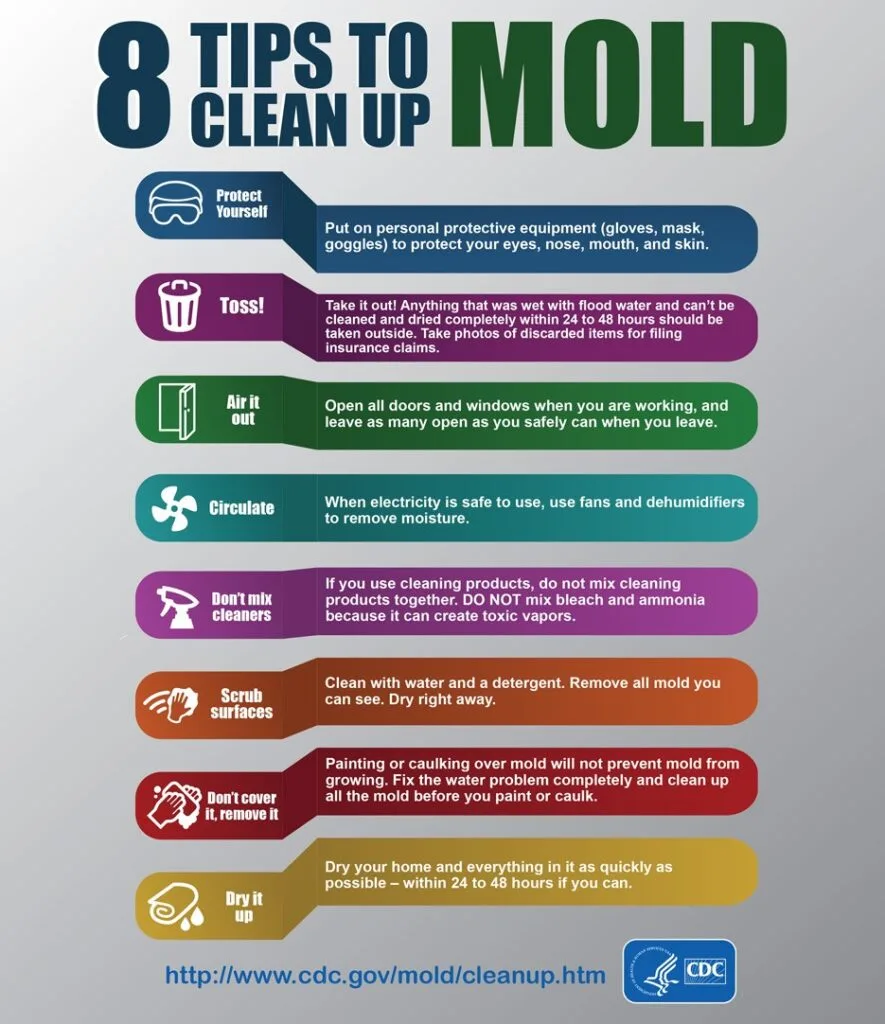
If you discover mold in your home, the remediation process typically involves:
- Identifying and addressing the moisture source (e.g., fixing leaks or improving ventilation).
- Removing contaminated materials (such as drywall, carpet, or insulation).
- Cleaning and disinfecting affected areas.
- Using air purifiers and dehumidifiers to reduce mold spores and humidity levels.
You can also find more advice about mold cleanup from the CDC:
Bottom Line: Should You Get a Mold Test in Memphis, Tennessee?
Three takeaways matter most.
First, testing is usually unnecessary when the problem is already obvious. If you can see mold on water-damaged material and the moisture source is clear, the priority is correcting the water problem and remediating properly. A lab report may add a label, but it often does not change the next step.
Second, a mold inspection in Memphis is often the right first move. That is especially true after leaks, flooding, repeated humidity issues, crawl-space dampness, attic moisture, staining, or a persistent musty smell with no visible source. In a city where heavy rain, older housing, and damp foundation conditions show up regularly, inspection is often more useful than jumping straight to sampling.
Third, testing is worth paying for when the findings are unclear or you need documentation. That includes hidden-mold suspicions, pre-purchase due diligence, disputed conditions, occupant complaints tied to a building, and post-remediation clearance.
One Tennessee-specific note: there is no simple legal mold number that automatically makes a house uninhabitable. For buyers and homeowners, the smarter focus is documentation, correction of the moisture source, and professional evaluation of the building conditions. If testing will not change the recommendation, skip it. If it will help you make a clearer decision, support a negotiation, or verify cleanup, it can be money well spent.