
The Short Answer (Here’s the Risk)
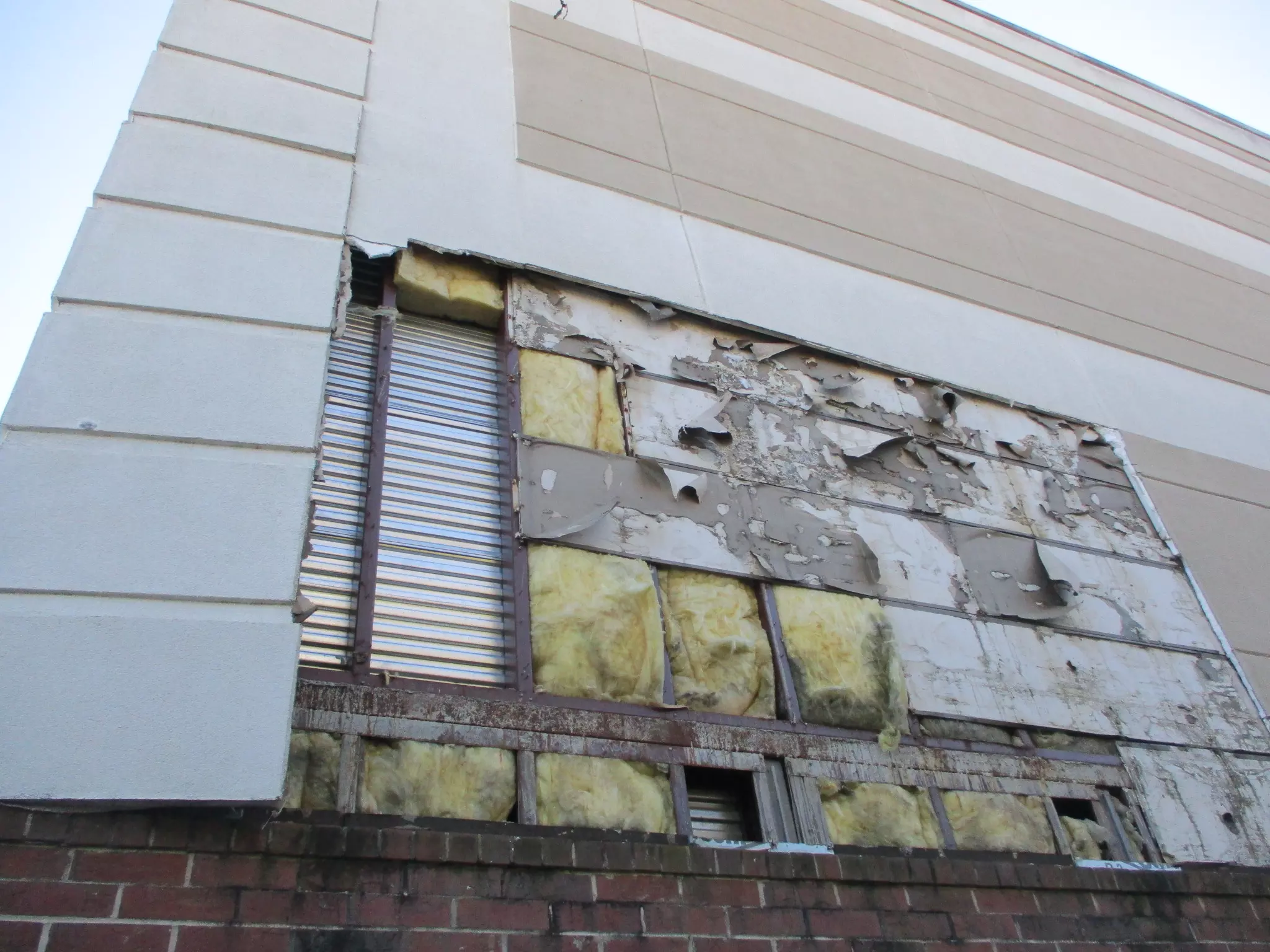
Yes—many large homes built in the 1990s in Collierville and Germantown have hidden moisture damage behind synthetic stucco (EIFS), even when the exterior looks perfect.
The problem isn’t the stucco itself. It’s that water gets in and has nowhere to go.
I see this most often in higher-end neighborhoods throughout Collierville, Germantown, and newer estate developments pushing into Piperton.
Why 1990s EIFS Is a Special Problem (Design, Not Neglect)
EIFS systems popular in the 1990s were designed to be:
- Lightweight
- Energy efficient
- Seamless and attractive
What they were not designed to do well is manage bulk water intrusion.
Unlike traditional brick veneer or modern drainage EIFS systems, many 90s installations:
- Have no true drainage plane
- Rely on sealants that inevitably fail
- Trap moisture directly against wood framing
Where the Failure Starts
Almost always at transitions:
- Roof-to-wall intersections
- Windows and doors
- Deck attachments
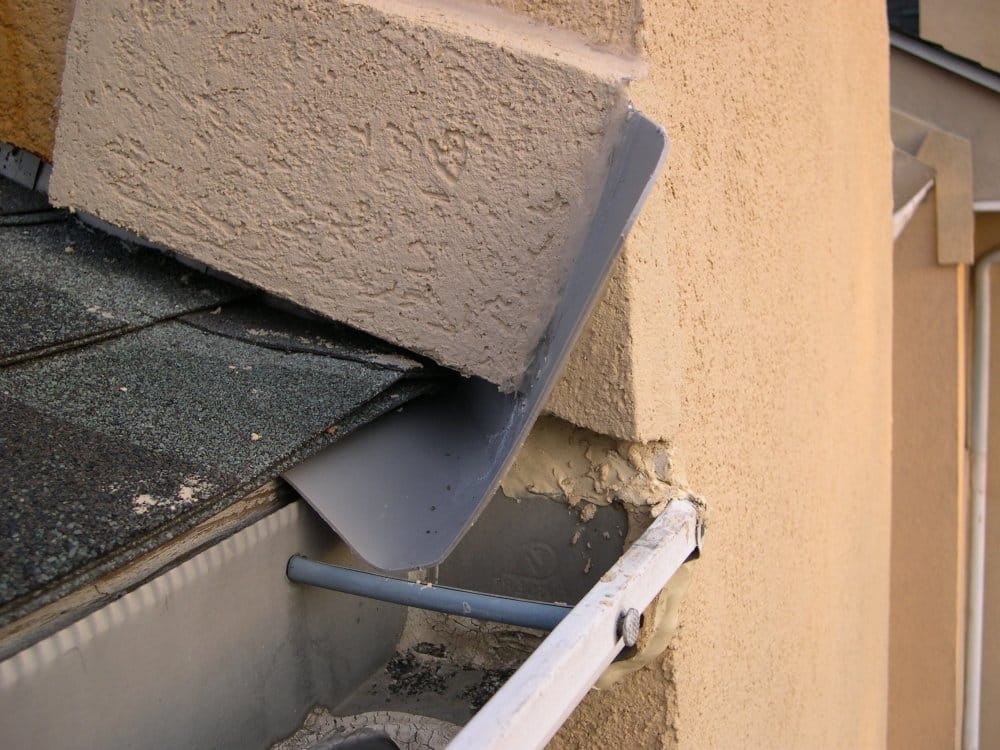
- And especially kick-out flashing
The Kick-Out Flashing Nobody Talks About
Wes-ism:
If an EIFS house has stucco all the way down to the roofline with no visible kick-out flashing, I assume there’s rot until proven otherwise.
Kick-out flashing’s entire job is to divert roof runoff away from the wall.
Without it, water dumps behind the stucco — silently.
I’ve moisture-probed walls in Germantown where:
- The exterior looked flawless
- Interior drywall was clean
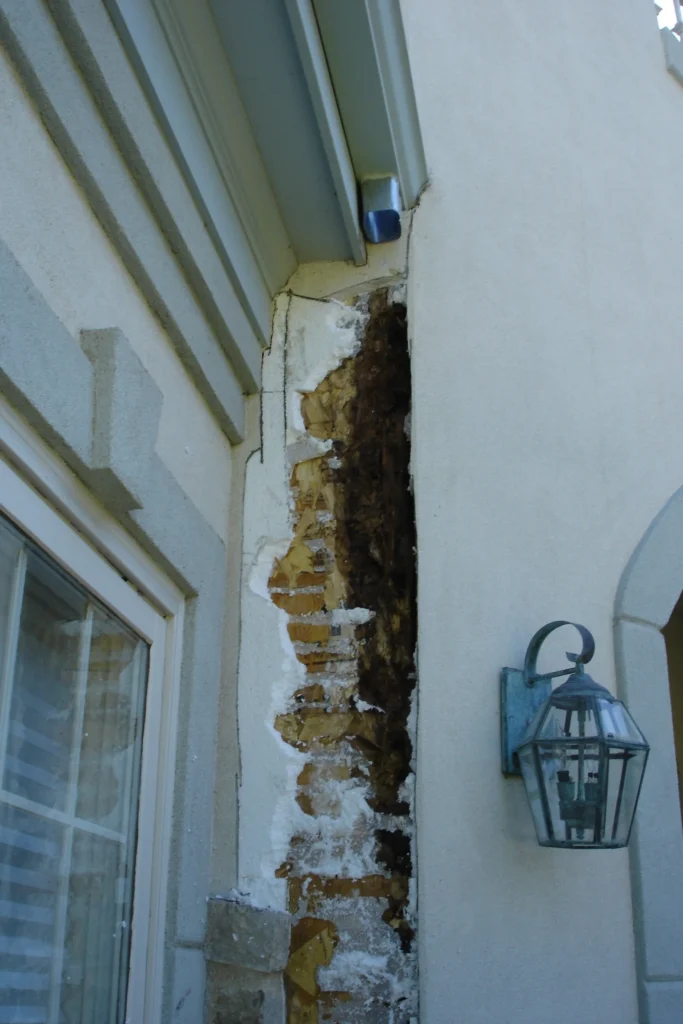
- The sheathing behind the EIFS was already compromised
That’s not cosmetic. That’s structural.
Why Buyers Miss This Completely
EIFS failures don’t announce themselves early.
You usually don’t see:
- Staining
- Bubbling
- Soft spots (until it’s advanced)
What you do get:
- Musty odors after rain
- Elevated moisture readings at window corners
- Subtle interior trim separation
By the time it’s visible, remediation costs climb fast.
What We Do That Most Inspectors Don’t
EIFS requires more than a visual inspection.
When inspecting 1990s stucco homes, we:
- Use non-invasive moisture meters at high-risk points
- Focus on roof-to-wall intersections
- Flag systemic risk, not just visible damage
- Recommend further evaluation before the inspection window closes when warranted
Calling EIFS “fine” without testing is guessing.
I don’t guess.
Why This Matters in Collierville & Germantown
These homes often:
- Appraise well
- Look immaculate
- Carry premium price tags
But hidden moisture behind EIFS doesn’t care what you paid.
I’ve seen buyers close on a seven-figure home and then discover:
- Wall removal
- Sheathing replacement
- Full exterior remediation
All because nobody checked behind the wall.
The Next Step (This Is Not a DIY Conversation)
If you’re under contract on a 1990s stucco home:
- Visual inspections are not enough
- “No visible damage” is not a clean bill of health
- Early detection is everything
Our findings integrate directly into the ISN Repair Request Builder, letting you:
- Document moisture readings
- Support targeted invasive testing if needed
- Negotiate repairs before ownership transfers
EIFS issues don’t get cheaper after closing.
Bottom Line
EIFS doesn’t fail loudly.
It fails quietly — behind a perfect exterior.
In Collierville and Germantown, the smartest move is to verify, not assume.