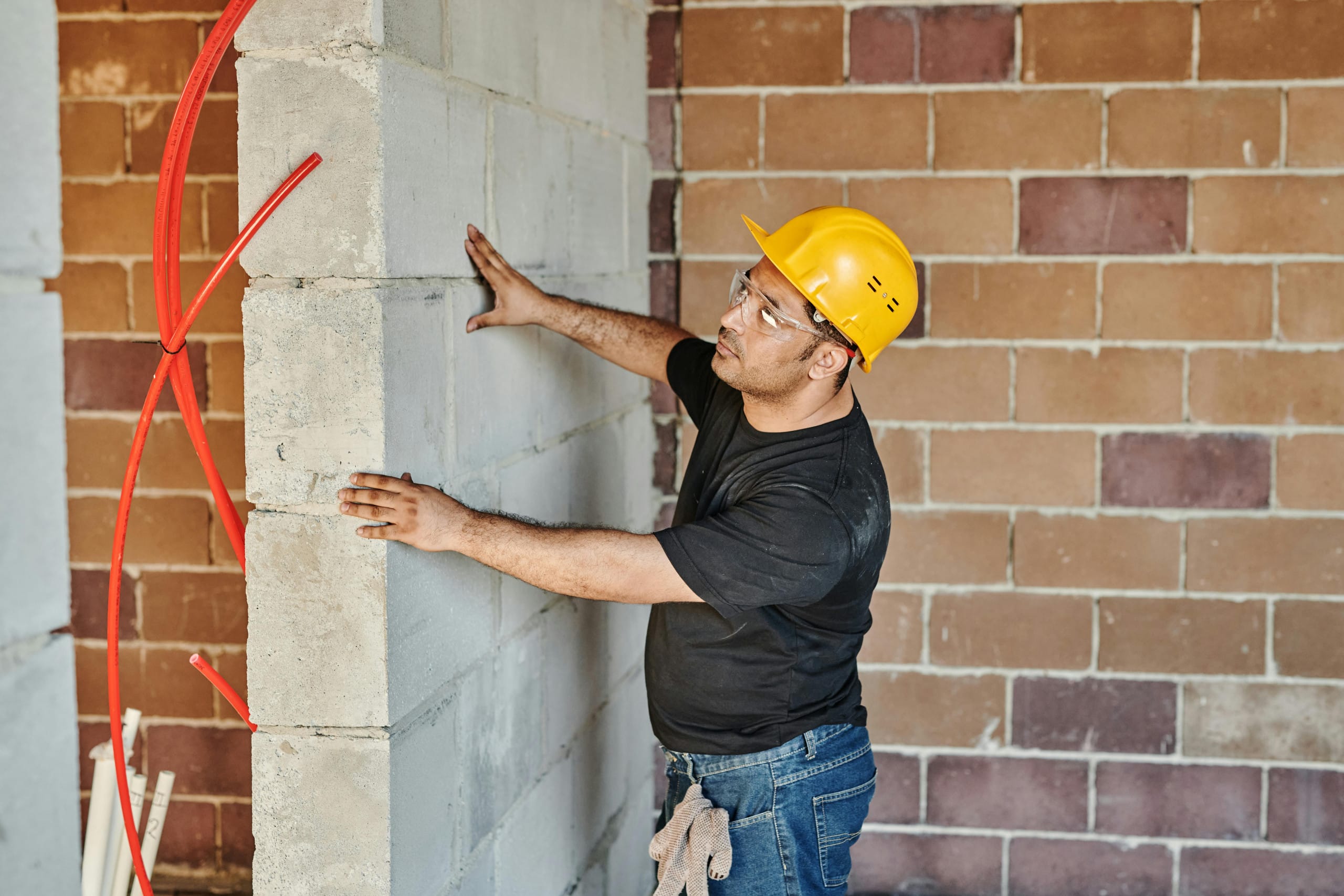
Open floor plans and remodeled interiors are common in many Mid-South homes, especially in older properties that have been updated over time. One of the most frequent structural questions that arises during an inspection is whether a wall is load-bearing—and whether it may have been altered improperly.
While inspectors do not determine structural adequacy or approve modifications, they are trained to recognize indicators that suggest a wall may be load-bearing and identify conditions that warrant further evaluation by a licensed engineer.
What a Load-Bearing Wall Does
A load-bearing wall supports weight from above and transfers that load safely down to the foundation. This may include:
- Roof loads
- Floor loads from upper levels
- Concentrated loads from beams or trusses
When a load-bearing wall is altered or removed without proper support, the structure may compensate in unintended ways, leading to movement or damage elsewhere in the home.
Why Load-Bearing Wall Questions Are Common
During inspections in areas like Memphis, Nashville, Little Rock, Cape Girardeau, and Elizabethtown, load-bearing wall concerns often stem from:
- Renovations that opened kitchens or living areas
- Doorways widened or walls partially removed
- Basement or crawlspace layouts modified for finishing
- Older homes updated to modern layouts
Many of these changes were completed years ago, sometimes without documentation.
How Inspectors Identify Potential Load-Bearing Walls
Inspectors rely on visual observation and building logic, not calculations or destructive testing. Indicators that a wall may be load-bearing include:
- Alignment with beams, girders, or foundation elements below
- Continuation through multiple floors
- Perpendicular orientation to floor joists above
- Concentrated framing or headers above openings
These indicators help inspectors identify walls that deserve closer attention, especially when modifications are visible.
Signs That a Wall May Have Been Altered Improperly
When load-bearing walls are modified without proper support, secondary indicators often appear over time.
Inspectors may note:
- Sagging ceilings near modified walls
- Cracks above doorways or openings
- Floors that slope or dip near former wall locations
- Added beams or columns without documentation
These conditions do not automatically indicate failure, but they do suggest the need for further evaluation.
What Inspectors Do—and Do Not—Determine
It’s important to clearly define the inspector’s role:
Inspectors do:
- Identify visible alterations and framing conditions
- Document observable indicators of load transfer
- Recommend further evaluation when appropriate
Inspectors do not:
- Determine whether a wall is structurally adequate
- Design beams, headers, or supports
- Approve or certify structural modifications
When questions arise, evaluation by a licensed professional engineer is the appropriate next step.
How Engineering Evaluations Fit In
At Upchurch Inspection, load-bearing wall concerns are addressed through coordination with an independent engineering firm.
The process typically involves:
- The inspector documenting visible conditions and collecting field data
- Providing that information to a licensed engineer
- The engineer performing analysis and issuing formal conclusions
All structural determinations and repair specifications come directly from the engineer, ensuring clarity and proper accountability.
Why Regional Experience Matters
Homes built in different eras and regions handle loads differently. For example:
- Older homes around Jackson (TN) and Cape Girardeau may rely on dimensional lumber and bearing partitions
- Homes near Nashville often include engineered floor systems
- Properties in Central Arkansas may show settlement patterns that affect how loads are distributed
Understanding these regional construction patterns helps inspectors recognize when a wall modification deserves closer scrutiny.
Real Estate and Lender Implications
During real estate transactions, undocumented wall removals often trigger lender requests for engineering documentation. Even if the home appears stable, lenders may require confirmation that load paths are properly supported.
An engineer’s report helps resolve these concerns and keeps transactions moving forward.
Final Thoughts
Load-bearing walls play a critical role in a home’s structural system, and changes to them should never be assumed to be harmless. While inspectors do not provide engineering opinions, they play an important role in identifying conditions that warrant further review.
By documenting visible indicators and coordinating with licensed engineers when needed, inspectors help homeowners and buyers move forward with confidence—grounded in observation, professional boundaries, and proper analysis.