
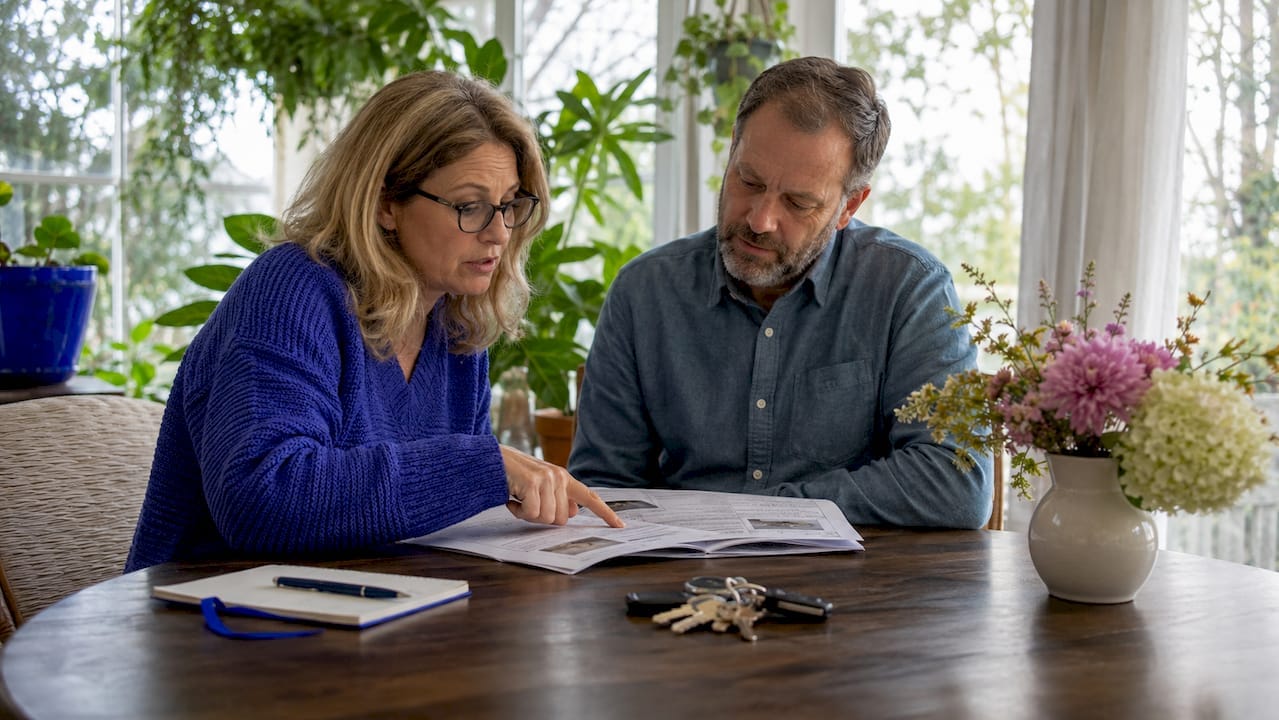
The inspection is finished. The report has landed in your inbox. This is the moment when many buyers feel the most pressure—not from the house itself, but from the clock. Deadlines tighten, emotions rise, and decisions that feel permanent suddenly demand attention.
What happens in the 72 hours after an inspection often determines whether a transaction stays calm or becomes chaotic. Not because the house changed, but because this window is where misunderstanding, overreaction, or clarity take hold.
At Upchurch Inspection, we see this phase play out every week. Buyers who approach it methodically tend to move forward with confidence. Buyers who rush it often regret how they handled it—even when the house itself was reasonable.
The First 24 Hours: Read, Don’t React
The most important thing buyers can do immediately after receiving the inspection report is… nothing.
That doesn’t mean ignoring it. It means resisting the urge to skim, panic, or start drafting repair demands before understanding what you’re looking at.
Inspection reports are dense by design. They include documentation, photos, and language meant to be precise, not soothing. Reading the report once—quickly—usually leads to emotional reactions rather than informed ones.
The first pass should be about orientation:
- What systems were inspected?
- What categories appear repeatedly?
- What issues are clearly safety-related?
- What issues appear to be maintenance or aging?
This is not the time to decide what you’ll ask for. It’s the time to understand the landscape.
The Second 24 Hours: Clarify What Matters
Once the initial reaction settles, the next step is clarification.
This is where buyers benefit most from speaking directly with their inspector. A short conversation often reshapes how the report is understood. Items that looked alarming may turn out to be common. Issues that seemed minor may deserve closer attention.
Helpful questions during this phase include:
- Which findings matter most from a risk standpoint?
- What is typical for homes like this in this area?
- Which issues are active versus historical?
- What would you prioritize if this were your home?
This step often reduces a long list of concerns into a much smaller set of meaningful decisions.
Skipping clarification is one of the most common mistakes buyers make—and one of the easiest to avoid.
The Third 24 Hours: Decide How to Respond
Only after understanding the report should buyers decide how to respond.
This is where strategy matters. Not every finding needs to be negotiated. Not every concern needs to be resolved before closing. Some items are better handled through planning rather than requests. When setting a budget for ownership, start with inspection findings that can affect costs over the next five years.
Buyers should consider:
- Which issues affect safety or prevent damage?
- Which items affect function or habitability?
- Which concerns are ownership responsibilities rather than seller obligations?
- Whether repairs, credits, or acceptance make the most sense
Strong responses are focused, proportionate, and aligned with the reality of the home—not driven by fear or volume.
Why Rushed Decisions Create Long-Term Friction
Buyers who rush this process often overreach. They ask for too much, too quickly, or without fully understanding the implications. Sellers react defensively. Negotiations stall. Trust erodes.
Ironically, this often happens on houses that were never high-risk to begin with.
The pressure of deadlines can make buyers feel like they must act immediately. In reality, thoughtful action within the inspection period almost always produces better outcomes than reactive demands made on day one.
What Not to Do During This Window
Some common missteps in the 72-hour window include:
- Treating the report as a repair invoice
- Negotiating before speaking to the inspector
- Assuming volume equals severity
- Expecting certainty where none exists
- Letting fear guide communication
None of these help buyers make better decisions. They only increase stress.
The Role of Experience in These Decisions
Experienced buyers—and buyers guided by experienced professionals—approach this window differently.
They recognize that inspections don’t eliminate uncertainty; they refine it. They understand that ownership always involves responsibility. They focus on understanding the home rather than trying to make it perfect.
That mindset changes everything about how the next steps unfold.
How This Window Sets the Tone Going Forward
The way buyers handle the 72 hours after inspection often sets the tone for the rest of the transaction.
Calm, informed responses tend to preserve cooperation. Emotional, rushed responses tend to create resistance—even when the underlying issues are legitimate.
This isn’t about being passive. It’s about being deliberate.
The Practical Takeaway
The inspection report is information, not a verdict. The 72 hours after receiving it are an opportunity, not a crisis.
Buyers who use this time to understand, clarify, and plan rarely regret their decisions. Buyers who rush to react often do.
The house doesn’t change in those three days.
Your understanding of it does.
And how you manage that shift is what turns an inspection from a source of stress into a tool for confidence.
Related reading