
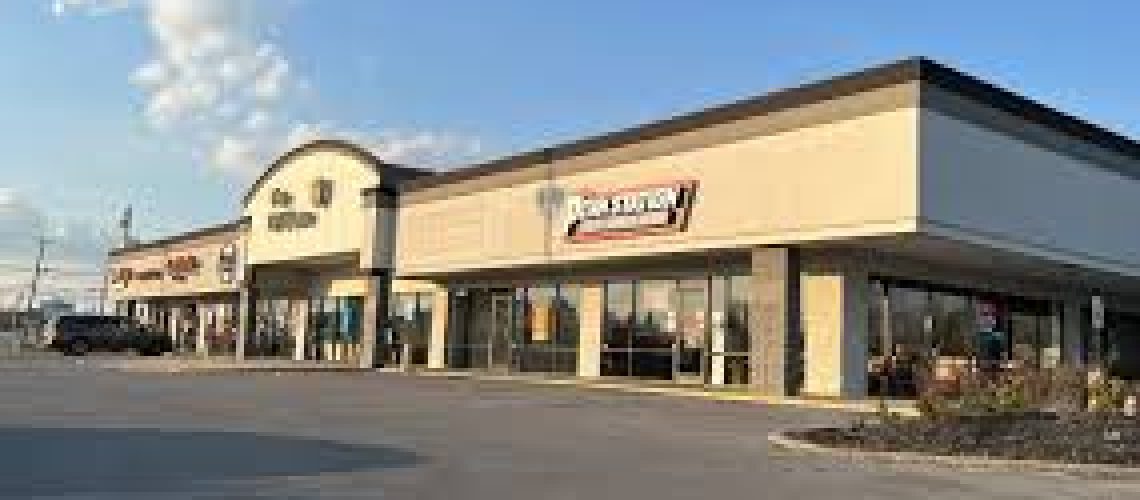
Central Kentucky often gets discussed as a single commercial market, but from an inspection standpoint, Elizabethtown and Louisville behave very differently. Treating them the same is one of the more common mistakes buyers make when evaluating commercial property in this region.
At Upchurch Inspection, commercial inspections across Central Kentucky consistently show that risk isn’t just about the building—it’s about how the building fits its market, its use, and its pace of change. Elizabethtown and Louisville illustrate that contrast clearly.
Elizabethtown: Stable Growth, Predictable Stress
Elizabethtown’s commercial inventory reflects steady, deliberate growth. Buildings tend to be newer than those in Louisville, and expansion often happens with a clearer relationship between use and infrastructure.
Inspectors commonly observe:
- Properties designed for their current use rather than repurposed repeatedly
- Mechanical systems that are right-sized, not stretched
- Electrical systems with remaining capacity
- Sites where drainage planning was part of original development
- Structural systems that haven’t been heavily modified
That doesn’t mean Elizabethtown properties are risk-free. It means risk is usually easier to see and easier to plan for.
Where inspectors focus in Elizabethtown:
- Verifying that growth hasn’t quietly outpaced original assumptions
- Watching for early signs of system saturation
- Evaluating drainage performance as sites densify
- Identifying maintenance practices that haven’t caught up with usage
In Elizabethtown, inspection value often comes from confirming that a building is still aligned with its intended role—not quietly drifting away from it.
Louisville: Density, Age, and Layered Adaptation
Louisville’s commercial stock tells a very different story. Much of it reflects decades of adaptation, reuse, and incremental change layered over older construction.
Inspectors frequently encounter:
- Buildings with multiple generations of systems
- Electrical and mechanical infrastructure expanded repeatedly
- Structural modifications made to support changing use
- Drainage patterns altered by surrounding development
- Repairs that addressed immediate needs, not long-term strategy
In Louisville, a building may function well while operating with very little margin.
Inspection focus in Louisville often centers on:
- Understanding how much capacity has already been consumed
- Identifying systems near functional limits
- Separating stabilized aging from active deterioration
- Recognizing when “working” means “working hard”
- Evaluating whether future use will trigger upgrades immediately
Risk here isn’t about visible defects—it’s about accumulated stress.
Same Region, Different Inspection Questions
What makes Central Kentucky challenging for buyers is that Elizabethtown and Louisville require different questions, even when inspecting similar property types.
In Elizabethtown, buyers should ask:
- How much growth headroom does this building still have?
- Which systems are closest to their limits?
- What maintenance patterns are emerging as usage increases?
In Louisville, buyers should ask:
- How many times has this building adapted?
- Which systems are original versus incremental?
- Where has capacity already been consumed?
- What upgrades are inevitable with even minor changes?
The inspection process adjusts accordingly.
Mechanical Systems Reflect Market Behavior
In Elizabethtown, mechanical systems often show consistency—equipment ages align, distribution systems make sense, and maintenance access was planned.
In Louisville, inspectors often see:
- New equipment tied into old distribution
- Controls upgraded without ductwork changes
- Systems operating continuously to compensate for design mismatch
- Humidity and comfort issues treated symptomatically
Neither is inherently wrong—but they require different ownership expectations.
Electrical Capacity Tells a Clear Story
Electrical systems are often the clearest indicator of market-driven stress.
In Elizabethtown:
- Panels tend to have usable headroom
- Expansion is usually intentional
- Load distribution reflects original design
In Louisville:
- Panels are often full
- Subpanels added incrementally
- Temporary solutions linger
- Growth is constrained quietly
Inspectors read these systems as market fingerprints, not just technical details.
Why Buyers Get Surprised in Central Kentucky
Buyers familiar with one market often misread the other.
Common surprises include:
- Louisville properties requiring upgrades sooner than expected
- Elizabethtown properties reaching limits faster after expansion
- Maintenance costs diverging sharply from projections
- Renovations triggering code or capacity requirements
- Systems revealing hidden dependencies
These surprises aren’t inspection failures—they’re market misunderstandings.
How Experienced Buyers Use Central Kentucky Inspections
Seasoned buyers don’t compare Elizabethtown and Louisville directly. They contextualize them.
They want to know:
- How the building reflects its market’s growth pattern
- Where capacity aligns—or doesn’t—with future plans
- Which risks are operational versus structural
- How much flexibility ownership really has
Inspection findings become a translation tool between building condition and market reality.
The Practical Reality
Central Kentucky isn’t one commercial environment—it’s two, operating at different speeds with different histories.
Inspectors who understand that distinction don’t just document defects. They interpret how market behavior, building age, and system evolution intersect.
That insight helps buyers decide whether a property is positioned for steady operation—or poised for immediate reinvestment the moment ownership changes.