
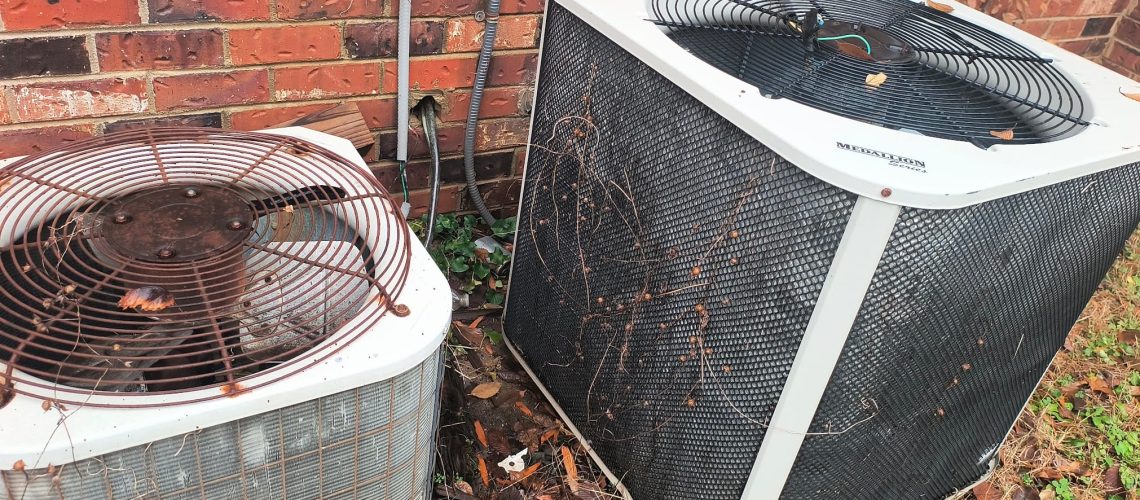
When buyers ask me, “How long do you think this AC will last?” I never give them a number without context.
A 15-year-old condenser might have two seasons left — or it might be one heat wave away from failure. Age alone doesn’t decide that. Condition does.
Why Age Is a Starting Point, Not a Verdict
Manufacturers love to talk about “average service life.” In the field, averages don’t mean much.
I’ve inspected:
- 20-year-old units still running well
- 8-year-old units already failing
- “Recently serviced” systems hanging on by a thread
Fifteen years just tells me where to slow down and look closer.
A Real Inspection Where Age Was Misleading
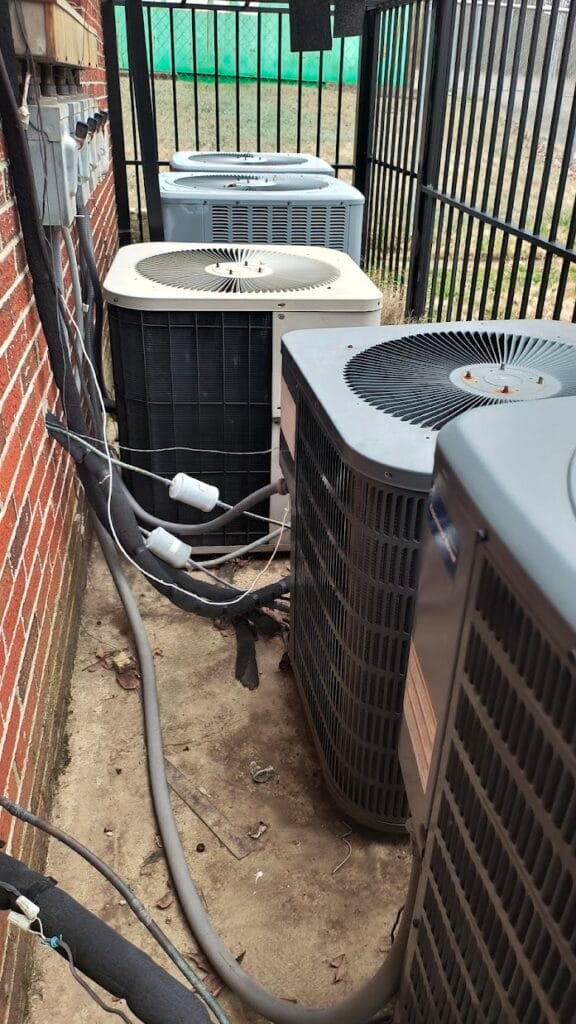
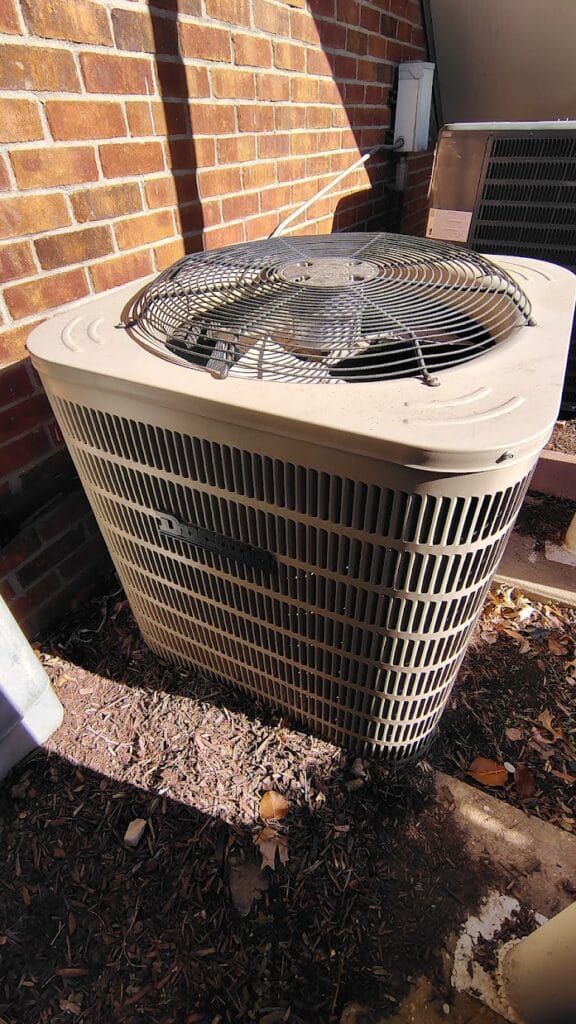
I inspected a home in Lakeland with a 15-year-old condenser. Seller called it “old but solid.”
Pulled the disconnect and checked the electrical components. Contactor was pitted but functional. Capacitor tested within tolerance. Refrigerant lines showed no oil staining. Coil condition was surprisingly good.
That system wasn’t new — but it wasn’t on life support either.
And One Where the Clock Was Ticking Loudly
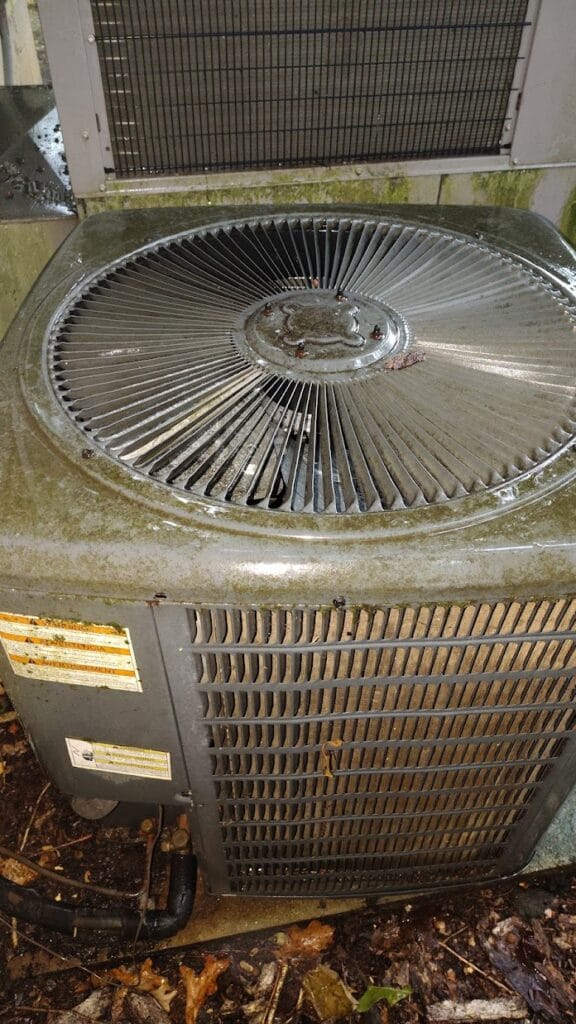
We inspected a home in Clarksville where the condenser was also around 15 years old. On the surface, it looked similar.
Closer inspection told a different story.
Coil fins were deteriorated. Compressor was loud at startup. Capacitor tested weak. Thermal imaging showed uneven heat rejection. That system was working — but it was working hard.
Two identical ages. Two very different futures.
What I Actually Evaluate
When I assess remaining life, I’m looking at patterns, not guesses.
I evaluate:
- Compressor startup behavior
- Coil condition and airflow
- Electrical component health
- Refrigerant line condition
- Temperature performance
- Signs of past repairs or leaks
A unit that’s been maintained tells on itself quickly.
Maintenance Matters More Than Birthdays
The biggest difference between long-lived systems and short-lived ones is maintenance.
I’ve seen units in Olive Branch that ran well past their expected lifespan simply because filters were changed, coils were cleaned, and airflow was respected.
I’ve also seen neglected systems fail early despite moderate age.
Why I Don’t Predict Exact Failure Dates
HVAC doesn’t die on a schedule.
What I can tell buyers is:
- Whether the system is currently performing as intended
- Whether components show signs of stress
- Whether budgeting for replacement soon is realistic
That’s more honest than pretending I can see the future.
What Buyers Should Plan For
If a condenser is 15 years old, buyers should:
- Expect higher risk
- Budget for replacement
- Avoid being surprised
- Use the inspection as leverage, not panic
Old doesn’t mean useless — but it does mean the margin for error is smaller.
The Inspector’s Bottom Line
A 15-year-old condenser isn’t automatically bad. It’s just closer to the edge.
My job isn’t to scare buyers or sell equipment. It’s to explain what the system is telling us right now — so decisions are made with eyes open instead of crossed fingers.