
INSPECTION FINDINGS · FROM OUR INSPECTION RECORDS
These photographs document two different gas-system concerns. At one property, the inspection report identified a leak at the exterior meter and recommended prompt attention from the gas utility. At another, a water heater was absent and its gas supply terminated at an open fitting. The first is a recorded detection finding. The second is an uncapped termination that required correction even without a documented active leak at that fitting.
The gallery of meter photographs shows two views from the same inspection. The wider water-heater-location image belongs with the uncapped-line photograph and explains the setting: equipment had been removed, but the installation was not ready to be treated as complete. The installation context matters because the recommendations addressed different defects.
Photographs and documented observations
Exterior meter: two views of the same inspection
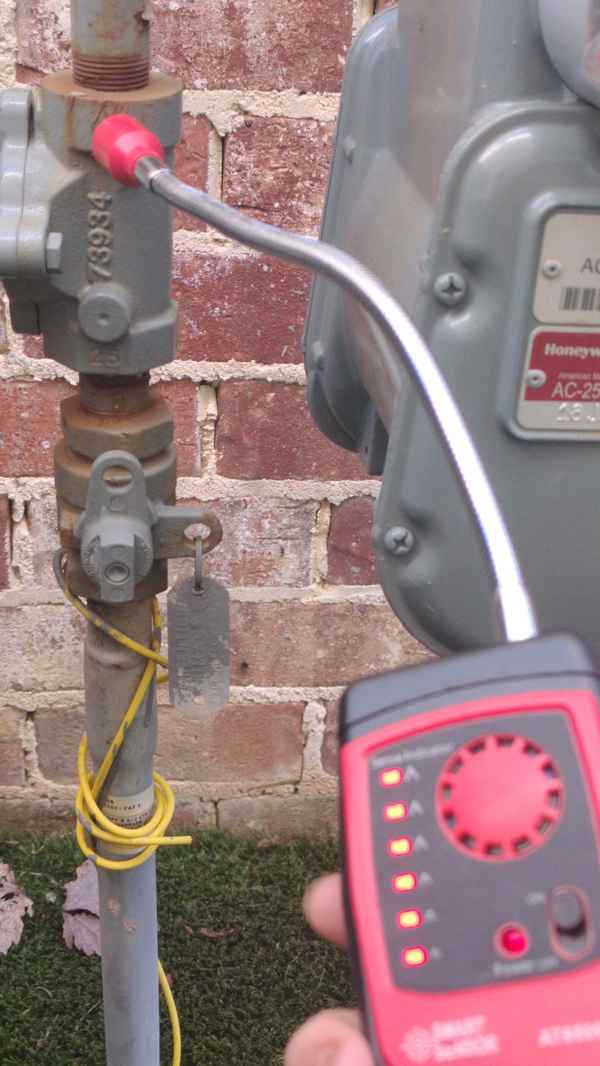
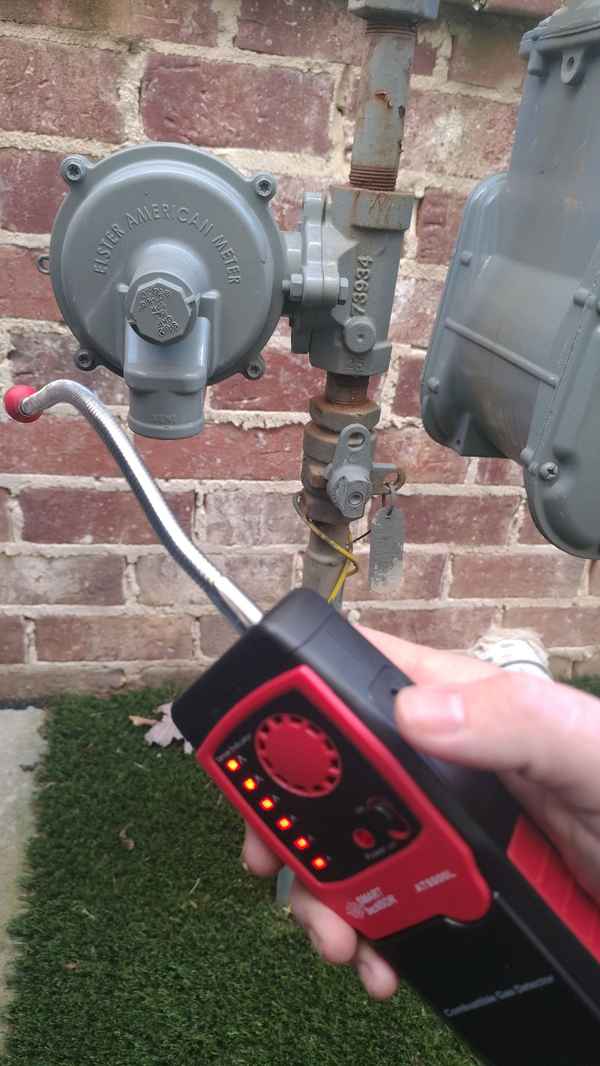
We traced a gas leak to the exterior meter area during testing. The report called for prompt contact with the gas utility for repairs. This is another view of the same gas-meter inspection, not a second property or a separate leak. The report identified a leak at the exterior meter and recommended prompt attention from the gas utility.
Missing water heater: installation context and open gas fitting
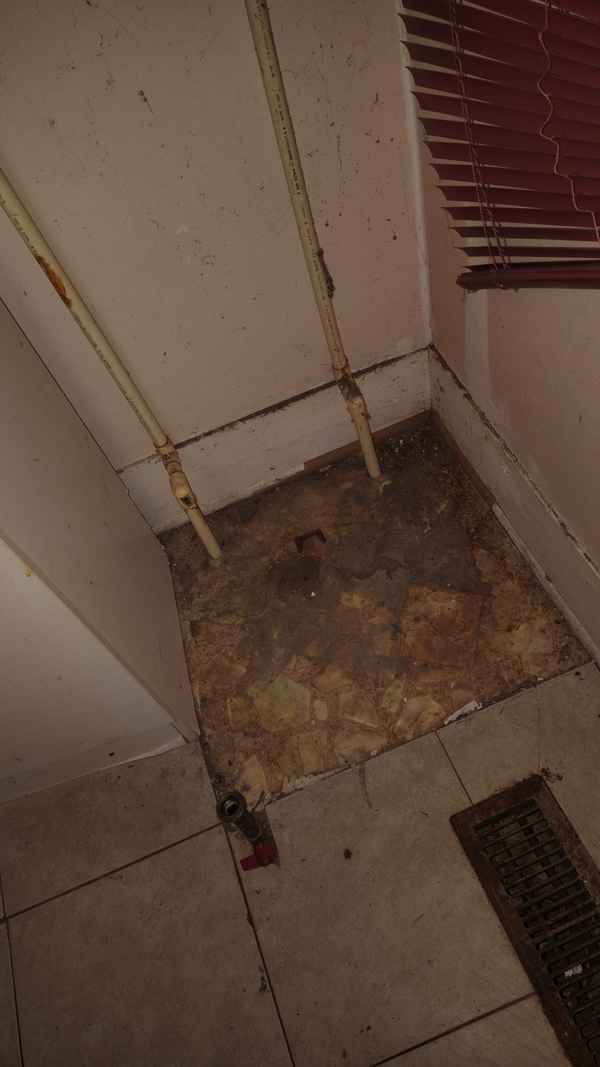
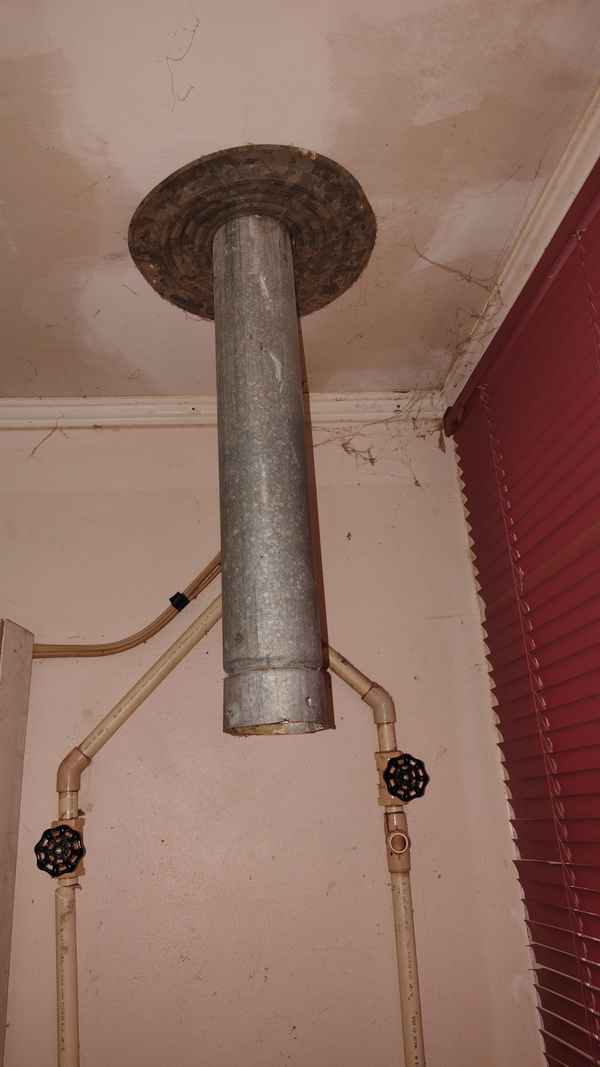
The supply line for a missing water heater ended at an open fitting. The report called for a qualified gas contractor to secure the line promptly. The water heater was absent, leaving utility and vent connections at the installation location. This wider view provides context for the uncapped gas fitting photographed separately; it is the same inspection.
A closed valve did not complete the abandoned connection
The missing-water-heater report specifically called for qualified correction of the unused gas termination. It did not document that the line was actively leaking during the visit. The recommendation addressed the open fitting and the risk associated with leaving the installation incomplete, not an invented account of an emergency that occurred afterward.
Treat a suspected current leak as an emergency
If you suspect a gas leak now, leave the area and contact emergency services and your gas utility from a safe location. Do not stay to recreate the detector photographs or attempt the repair. Atmos Energy's published guidance follows that leave-first approach. The cases here illustrate recorded inspection findings and their recommendations; the available records do not establish the eventual repairs or outcomes.
Related inspection insights
For related context, read Silent Threats: Unveiling Common Carbon Monoxide and Gas Leak Issues Discovered by Home Inspectors and Deferred Maintenance vs. Active Failure: Why the Difference Matters More Than You Think.
Learn more about our home inspection services and the way we document building conditions for buyers and property owners.
By Wesley Upchurch. This article draws on documented inspection observations and photographs. Images show conditions at the time of inspection; later repairs are not established unless stated. Property addresses and client details are omitted.