The Short Answer (Here’s the Truth)
Yes—radon mitigation in Murfreesboro is often harder and sometimes more expensive, but not because the homes are built wrong.
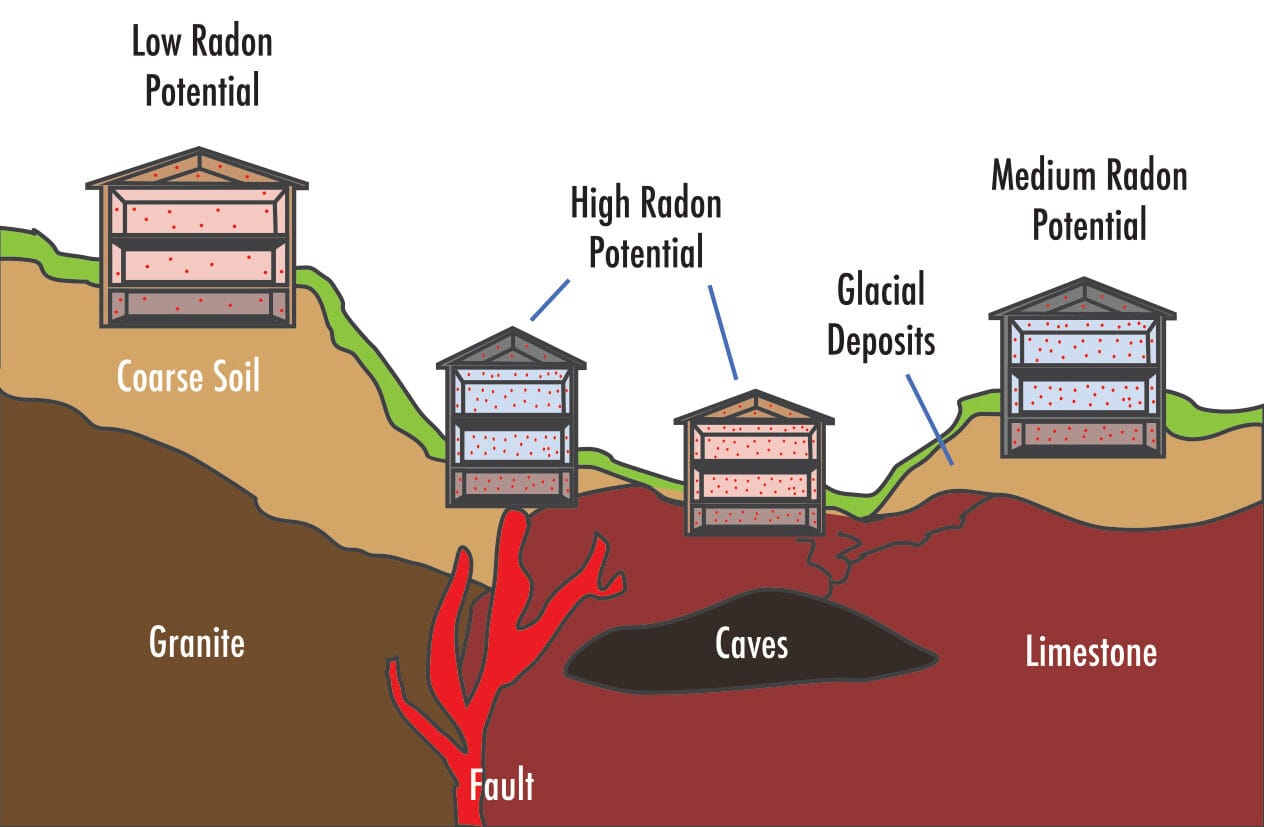
It’s because Rutherford County sits on fractured limestone, which turns radon movement into a maze instead of a straight path.
In ZIPs like 37129 and 37130, I routinely see radon levels that fluctuate wildly from test to test if you don’t test correctly.
Why Limestone Changes Everything
Unlike uniform soils, limestone is:
- Fractured
- Channelized
- Full of voids and seams
That means radon doesn’t rise evenly under a slab. It travels laterally, follows cracks, and pops up where you don’t expect it.
Homes near areas like Stones River Greenway or newer subdivisions spreading toward Smyrna often sit right on top of shallow shelf rock.
Why “One Hole” Systems Fail Here
In sandy or clay-heavy regions, a single suction point often works fine.
In limestone?
- One suction point might miss the gas path entirely
- Radon bypasses the collection zone
- Fans run constantly with disappointing results
Wes-ism:
If a radon system in Murfreesboro is whisper-quiet and still tests high, it’s usually pulling from the wrong place — not the wrong fan.
Why Buyers Get Conflicting Test Results
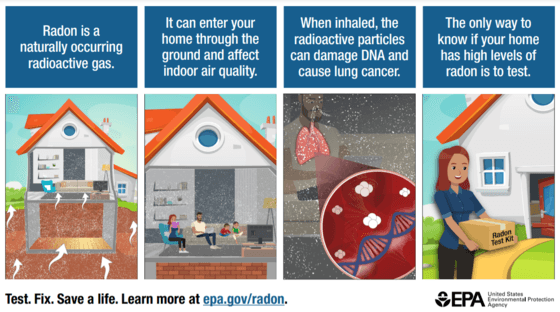
This is where confusion starts.
Radon in limestone-heavy areas:
- Changes with barometric pressure
- Spikes during storms
- Drops temporarily during dry, high-pressure days
That’s why:
- A short test can miss a real problem
- A poorly placed monitor gives false comfort
- “Borderline” results are common here
A proper 48-hour minimum test isn’t a suggestion in Middle Tennessee — it’s the floor.
What We Look for During Radon Testing
When testing in Murfreesboro and Smyrna, we don’t just deploy a device and walk away.
We:
- Verify lowest livable level placement
- Document slab penetrations and joint patterns
- Correlate readings with weather conditions
- Flag homes where mitigation design matters, not just installation
Radon is invisible. Testing shouldn’t be lazy.
Why Mitigation Can Cost More (And When It Should)
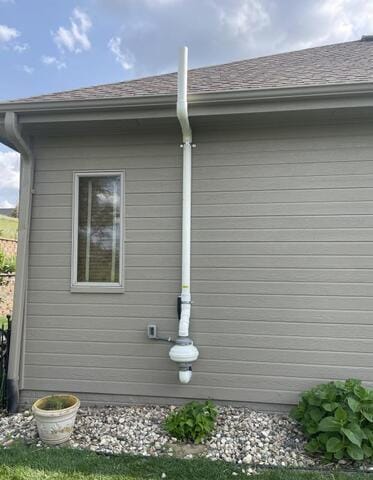
In limestone regions, mitigation may require:
- Multiple suction points
- Creative pipe routing
- Higher-capacity fans
- Exterior routing to avoid finished interiors
That doesn’t mean every home needs it — but when it does, doing it right the first time matters.
Cheap systems fail quietly.
The Next Step (Before You Dismiss the Number)
If you’re buying in Murfreesboro or Smyrna:
- Don’t panic over a high reading
- Don’t ignore a borderline one
- Don’t trust a 24-hour test
Our radon findings integrate directly into your ISN-powered report, giving you:
- Clear test conditions
- Documented risk context
- The ability to negotiate mitigation before closing
Radon is manageable — but only if you respect the geology.
Bottom Line
In Murfreesboro, radon doesn’t rise straight up.
It takes the long way around.
Knowing that difference is what separates a real test from a false sense of security.