When water testing is recommended during a home inspection, the results often include references to bacteria, nitrates, and metals. These terms can sound technical or alarming at first, but each tells a different story about water quality, the source of the water, and the systems delivering it.
Across the Mid-South, these findings are most commonly associated with private wells, older plumbing systems, and regional land use patterns. Understanding what each category means helps homeowners respond appropriately rather than react out of concern alone.
Bacteria: What It Indicates and Why It Matters
Bacteria testing typically focuses on coliform bacteria and E. coli, which are used as indicators rather than specific pathogens.
The presence of bacteria in water does not always mean the water source itself is contaminated. Instead, it often points to:
- Improper well caps or seals
- Surface water intrusion after heavy rain
- Shallow well construction
- Plumbing system vulnerabilities
In rural parts of Tennessee, Arkansas, Mississippi, and Kentucky, bacterial findings are often linked to well construction or maintenance issues rather than ongoing contamination.
Nitrates and Environmental Influence
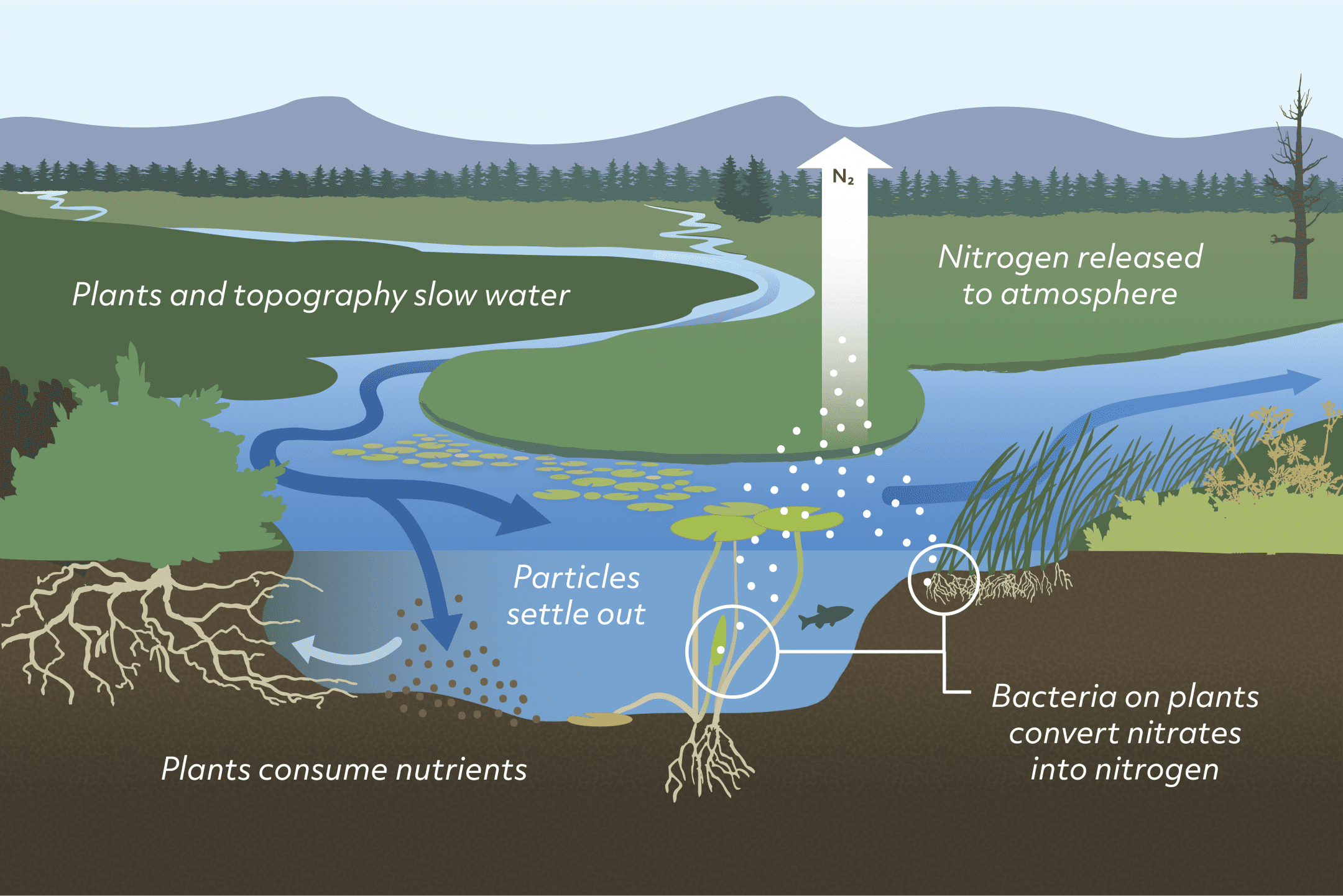
Nitrates are commonly associated with agricultural activity, fertilizers, septic systems, and natural soil conditions. Elevated nitrate levels are more frequently encountered in areas with:
- Farming or livestock operations
- Shallow groundwater sources
- Older or closely spaced septic systems
While nitrates are primarily a health-related concern—particularly for infants—their presence can also indicate how well a water source is protected from surface influences.
Metals and Plumbing Materials
Metals in water, such as iron, copper, or lead, are often tied to the plumbing system rather than the water source itself.
Common causes include:
- Aging pipes or fixtures
- Corrosion due to water chemistry
- Older solder materials
- Deterioration of steel or cast-iron components
In established neighborhoods around Memphis, Jackson (TN), Cape Girardeau, and Elizabethtown, metal-related findings are sometimes associated with older infrastructure still in service.
Why These Results Are Often Found Together
It is not unusual for bacteria, nitrates, and metals to appear together in water test results. When this occurs, it may suggest:
- Multiple contributing factors
- Vulnerabilities in both the water source and plumbing system
- Long-term exposure to environmental conditions
Understanding the broader context of the property helps determine which findings are most significant.
What These Results Do Not Mean
Water test results require interpretation. The presence of bacteria, nitrates, or metals does not automatically mean:
- The home is unsafe to occupy
- The water system has failed
- Immediate replacement of plumbing is required
Instead, results should be evaluated alongside inspection findings, property history, and system type.
How Inspectors Use Water Test Results
Inspectors do not design treatment systems or provide medical guidance. Their role is to:
- Explain what each category of result represents
- Identify likely sources or contributing factors
- Recommend further evaluation when warranted
- Help clients understand practical next steps
This objective approach helps avoid unnecessary alarm while still addressing legitimate concerns.
Addressing Water Quality Findings
When water testing identifies concerns, solutions often involve:
- Well system repairs or maintenance
- Plumbing upgrades or targeted repairs
- Water treatment or filtration systems
- Follow-up testing to confirm improvements
The appropriate response depends on the specific findings and the home’s overall condition.
Final Thoughts
Bacteria, nitrates, and metals each tell a different part of the water quality story. When understood together, they can reveal how water is entering the home, how it interacts with plumbing materials, and where vulnerabilities may exist.
For homeowners throughout the Mid-South, informed interpretation of water test results supports safer water use, better system maintenance, and confident decision-making based on facts rather than assumptions.