Water quality is something many homeowners take for granted—until there is a reason not to. During a home inspection, water testing is not always required, but there are situations where testing provides valuable insight that cannot be obtained through visual inspection alone.
Based on inspections performed throughout the Mid-South, including Tennessee, Arkansas, Mississippi, Missouri, and Kentucky, certain conditions consistently signal when water testing is worth considering.
Why Water Quality Isn’t Always Obvious
Clear water does not automatically mean clean or safe water. Many water-related concerns—such as bacteria, nitrates, or dissolved metals—are invisible, odorless, and tasteless.
A standard home inspection evaluates visible plumbing components and functional flow, but it does not analyze water quality unless testing is specifically requested. When concerns exist, laboratory testing is the only reliable way to identify certain contaminants.
Homes with Private Wells
Water testing is most commonly recommended for homes served by private wells. Unlike municipal water systems, private wells are not regulated or routinely monitored, and water quality is the homeowner’s responsibility.
Across rural areas of West Tennessee, North Mississippi, Central Arkansas, and parts of Kentucky, private wells are common, and water quality can vary significantly from one property to the next.
Testing is often recommended to evaluate for:
- Coliform and E. coli bacteria
- Nitrates and nitrites
- Metals such as iron, lead, or arsenic
- Indicators of agricultural or surface contamination
For buyers, well water testing provides critical information before assuming responsibility for the system.
Older Homes and Aging Plumbing Systems
In older homes, water testing may be recommended due to the materials used in original plumbing systems. Homes built decades ago—particularly those found in established neighborhoods around Memphis, Jackson (TN), Cape Girardeau, and Elizabethtown—may still contain components that affect water quality.
Concerns may include:
- Lead from older piping or fixtures
- Corrosion byproducts
- Sediment or discoloration tied to pipe deterioration
Testing helps confirm whether plumbing age is affecting water quality at the tap.
Unusual Odors, Staining, or Taste
Certain water characteristics can indicate underlying issues worth further evaluation. These include:
- Sulfur or “rotten egg” odors
- Metallic tastes
- Rust-colored or blue-green staining
- Cloudy or discolored water
While some of these conditions are aesthetic, others may point to bacteria, mineral content, or corrosive water chemistry. Testing helps separate nuisance issues from legitimate concerns.
Real Estate Transactions and Buyer Due Diligence
Water testing is often requested during real estate transactions when buyers want additional assurance—especially when the home is served by a well or has a history of plumbing concerns.
Testing during the inspection period allows buyers to:
- Identify potential health-related concerns early
- Understand treatment or filtration needs
- Avoid surprises after closing
Like radon or sewer inspections, water testing is most effective when performed before the transaction is finalized.
Municipal Water Isn’t Automatically Exempt
Even homes on municipal water may benefit from testing under certain conditions. While public systems are regulated, issues can still arise due to:
- Old service lines
- Interior plumbing materials
- Changes in water chemistry
- Localized contamination events
In some cases, testing is requested to establish a baseline or confirm water quality at the point of use.
The Inspector’s Role in Water Testing
Inspectors do not treat water or prescribe filtration systems. Their role is to:
- Identify conditions where testing may be appropriate
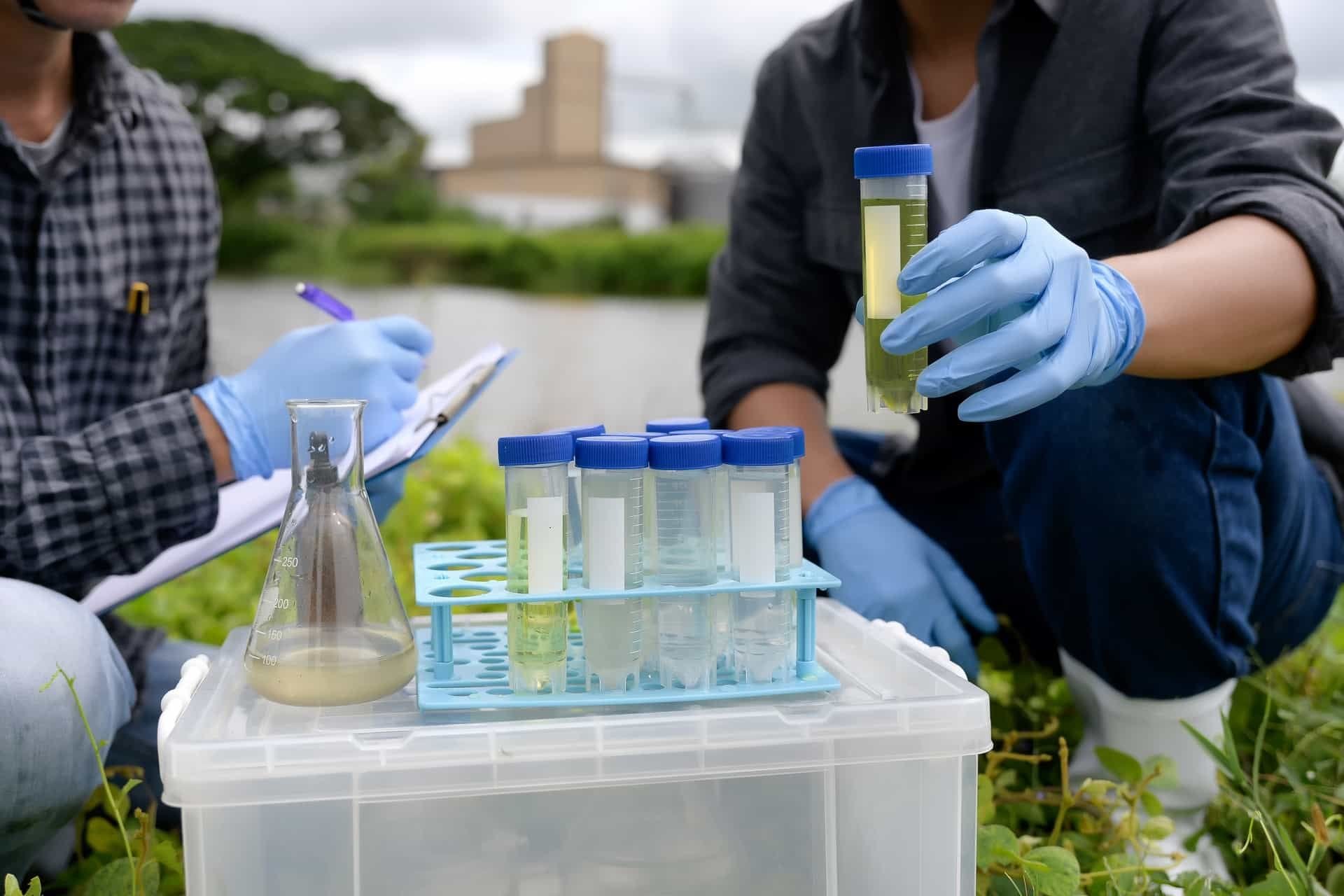
- Collect samples using proper protocols
- Coordinate laboratory analysis
- Explain results in practical, non-alarmist terms
When needed, homeowners may be referred to water treatment professionals for solutions.
Final Thoughts
Water testing is not a one-size-fits-all service, but in the right circumstances, it provides valuable information that visual inspection alone cannot. Whether dealing with a private well, an older home, or unexplained water characteristics, testing helps replace assumptions with facts.
For buyers and homeowners across the Mid-South, understanding when water testing is recommended supports informed decisions, long-term safety, and confidence in a home’s water supply.