Most homes have problems.
That’s not a criticism — it’s reality. Homes are exposed to weather, moisture, movement, wear, and time. An inspection that doesn’t identify issues isn’t thorough.
But there’s an important distinction that often gets overlooked:
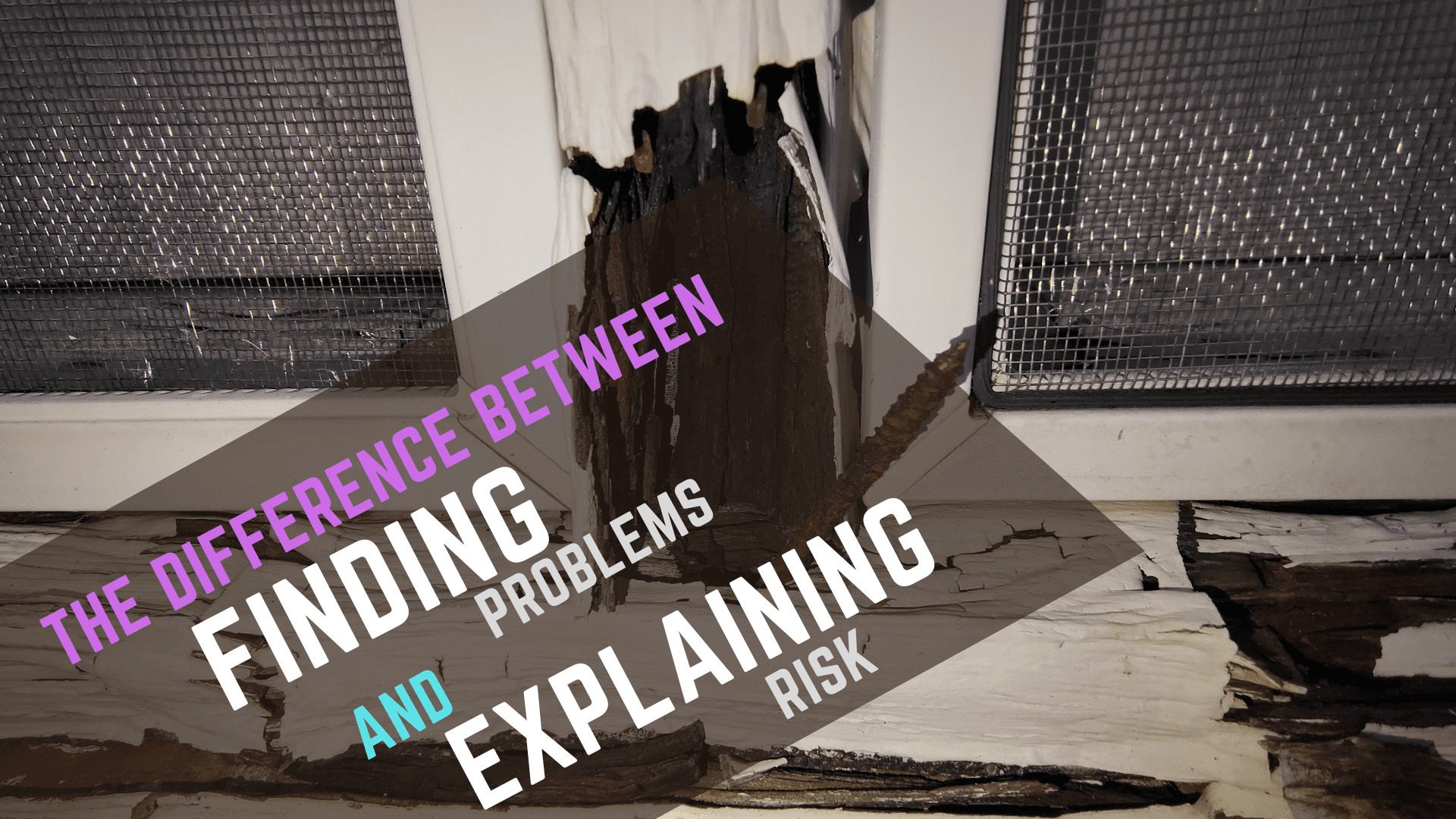
Finding problems is not the same as explaining risk.
At Upchurch Inspection, we believe the value of an inspection lies not in how many issues are listed, but in how clearly their meaning is explained.
A List of Defects Isn’t the Goal
It’s easy to create a long report.
Modern software makes it simple to flag dozens of conditions, attach photos, and label items as “defects.” The result can look impressive — even alarming.
But without context, that kind of report leaves clients asking:
- Which of these actually matters?
- What needs attention now versus later?
- What’s normal for a home this age?
A good inspection doesn’t just point things out.
It organizes significance.
Risk Is About Consequences, Not Just Conditions
Not every defect carries the same level of risk.
Some conditions:
- pose safety concerns
- can lead to expensive damage if ignored
- indicate system failure or improper installation
Others are:
- cosmetic
- related to normal aging
- maintenance items that should be monitored
Explaining risk means helping clients understand what could happen if an issue is left unaddressed, not just that the issue exists.
That difference is critical when decisions need to be made.
Why Context Changes Everything
Consider two homes with the same condition.
In one case, it may be a known regional issue with predictable behavior and manageable implications. In another, it may signal a more serious underlying concern.
Without context, those two situations look identical on paper.
Context comes from:
- experience with similar homes
- understanding how systems interact
- familiarity with regional construction and climate patterns
It allows inspectors to explain why something matters — or why it likely doesn’t.
Alarmism Helps No One
Reports filled with dramatic language often create more confusion than clarity.
When everything sounds urgent, nothing is prioritized.
Explaining risk calmly doesn’t minimize issues — it makes them actionable. Clients can make informed decisions when they understand:
- severity
- likelihood
- and timing
That’s far more useful than a report that treats every item as equally dire.
The Inspector’s Role Is Interpretation
A home inspection is not just observation — it’s interpretation.
Inspectors are trained to:
- observe conditions
- recognize patterns
- and translate technical findings into understandable information
That interpretive role is what separates professional inspections from automated checklists or surface-level walkthroughs.
It’s also why judgment matters.
How This Benefits Clients
When risk is explained clearly, clients:
- feel more confident reading the report
- know where to focus attention
- are less likely to be surprised later
They don’t walk away thinking the house is “good” or “bad.”
They walk away understanding what the house needs.
Final Thought
Every inspection finds problems.
A good inspection explains which ones matter — and why.
That ability to translate conditions into risk is what turns an inspection report into a decision-making tool.
And that’s where real value is created.