TL;DR:
- Skipping a roof inspection before a real estate deal can lead to costly repairs and delays due to undetected damage. Professional inspections evaluate critical areas like shingles, flashing, ventilation, and attic, helping buyers and sellers make informed decisions. Regular inspections and maintenance extend roof life and protect property value, especially in adverse Mid-South climate conditions.
Skipping a roof inspection before closing a deal in the Mid-South is one of the most expensive gambles a buyer or seller can take. A single undiscovered leak or failing flashing can trigger renegotiations, delay closings, or leave a new homeowner with a $10,000 repair bill they never budgeted for. Whether you are buying your first home in Memphis, selling a property in Jonesboro, or managing investment real estate across northwest Mississippi, understanding what a professional roof inspection involves, what it costs, and how to act on the results is not optional. It is essential.
Table of Contents
- Why a professional roof inspection matters in Mid-South real estate
- Preparing for your roof inspection: What buyers and sellers need to know
- The roof inspection process: What professionals evaluate and how long it takes
- Interpreting your roof inspection report: Key signs and deciding next steps
- Maintaining your roof health: Scheduling inspections and preventing costly damage
- Why most homeowners misunderstand roof inspections and how to avoid costly pitfalls
- Get professional roof inspection services in the Mid-South with Upchurch Inspection
- Frequently asked questions
Key Takeaways
| Point | Details |
|---|---|
| Critical for real estate | Professional roof inspections identify common issues that can affect property sales and offers. |
| Comprehensive evaluation | A thorough inspection covers exterior roofing and the attic to spot hidden damage. |
| Scheduled regularly | Annual or biannual inspections in the Mid-South help prevent costly repairs and extend roof life. |
| Certified reports matter | Detailed inspection reports with photos support insurance claims and real estate negotiations. |
| Expert over DIY | Roof inspections should be performed by certified professionals to ensure safety and accuracy. |
Why a professional roof inspection matters in Mid-South real estate
The roof is not just one component among many. It is the first line of defense for everything inside the home, and when it fails, the damage compounds fast. Water intrusion from a compromised roof can destroy insulation, rot structural framing, promote mold growth, and damage electrical systems, all before a single visible stain appears on the ceiling below.
Roof-related issues appear in approximately 19.7% of all home inspections, making them the most commonly identified problem in real estate nationwide. In the Mid-South, that number carries extra weight. Tennessee, Arkansas, Mississippi, and Southeast Missouri all sit in a corridor prone to severe spring storms, summer heat, and high humidity year-round. Those conditions accelerate the deterioration of shingles, promote algae and moss growth, and stress flashing seals in ways that northern climates simply do not.
Key risks specific to Mid-South roofs include:
- Hail and wind damage from spring storm systems that goes undetected for months
- Thermal cycling from extreme summer heat followed by cold winters, which cracks sealants and lifts shingles
- High humidity that speeds up wood rot in roof decking and attic framing
- Algae streaks and moss that compromise shingle granules and accelerate wear
- Poor attic ventilation that traps moisture and heat, shortening roof service life significantly
Understanding common roofing issues found during inspections in this region helps buyers and sellers walk into negotiations with clear expectations rather than surprises.
Statistic: Roof problems rank as the number one category of defects found in real estate inspections, ahead of electrical, plumbing, and HVAC issues combined.
Pro Tip: If you are a seller, scheduling a roof condition evaluation before listing gives you time to address problems on your own terms, rather than under pressure from a buyer’s inspector with a closing deadline looming.
Understanding why roof inspections are critical sets the stage for preparing your home for one.
Preparing for your roof inspection: What buyers and sellers need to know
Before an inspector ever sets foot on your property, there are decisions to make that will determine how useful the inspection actually is. Not all inspections are created equal, and in a real estate transaction, the difference between a thorough professional assessment and a cursory visual check can cost you dearly.
How to choose the right inspector:
- Verify that the inspector holds certifications beyond the state minimum, such as InterNACHI or ASHI credentials.
- Confirm they physically access the roof rather than evaluating it solely from the ground or with binoculars.
- Ask whether the inspection includes attic access, photo documentation, and a written report.
- Request sample reports to assess whether findings are clearly explained or buried in vague language.
- Look for inspectors who distinguish between cosmetic wear and structural deficiencies.
Cost expectations for roof inspection services:
| Inspection type | Typical cost range | What it typically includes |
|---|---|---|
| Basic residential inspection | $150 to $250 | Visual exterior check, basic shingle review |
| Comprehensive residential inspection | $300 to $500 | Exterior, attic, photos, written report |
| Commercial roof inspection | $500 and up | Full surface, drainage, penetration, flashing review |
| Combined home and roof inspection | Varies by provider | Full home systems plus roof and attic |
Professional roof inspections cost between $150 and $500, and that range reflects real differences in depth and documentation. A $150 check that misses a failing valley flashing is not a bargain.
Scheduling frequency matters, too. For Mid-South properties, once a year is the minimum. Twice a year is smarter for homes that have experienced storm activity or for sellers preparing to list. Annual roof inspections should be scheduled in either spring, after the storm season winds down, or fall, before winter weather stresses the system again.
Pro Tip: Never climb your own roof to self-assess before an inspection. DIY roof inspection tips from the ground level, such as checking gutters for granule accumulation or looking for visible sagging from the yard, are useful for identifying red flags. But getting on the roof without proper equipment and training risks both personal injury and misdiagnosis that could cost you in negotiations.
With preparation complete, let’s walk through the inspection process itself.
The roof inspection process: What professionals evaluate and how long it takes
When a qualified inspector arrives, they are not simply walking across the shingles looking for obvious holes. A thorough residential roof inspection follows a structured evaluation of six distinct zones, each with its own set of failure points.
The six zones a professional evaluates:
- Roofing materials: Shingles or other surface materials are checked for cracking, curling, missing sections, granule loss, and age-related wear
- Flashing: Metal flashing around chimneys, skylights, vents, and valleys is examined for separation, rust, and improper sealing
- Gutters and drainage: Gutters are inspected for secure attachment, granule accumulation, blockages, and proper slope toward downspouts
- Ventilation: Ridge vents, soffit vents, and powered attic ventilators are assessed to confirm airflow that prevents heat and moisture buildup
- Structural integrity: The inspector checks for sagging ridgelines, uneven decking, and signs of structural compromise visible from above
- Attic interior: This is often where the most critical findings emerge, including water staining, mold, inadequate insulation, and evidence of past or active leaks
A typical inspection takes 45 to 90 minutes and covers all of these areas in a sequential, documented process. The attic portion alone can reveal years of hidden water damage that the exterior never advertised.
| Inspection zone | Common defects found | Risk level if missed |
|---|---|---|
| Shingles and surface | Granule loss, cracking, missing tabs | Moderate to high |
| Flashing | Separation, rust, improper laps | High |
| Gutters | Detachment, blockage, granule buildup | Moderate |
| Ventilation | Blocked vents, missing ridge caps | Moderate to high |
| Structure | Sagging, soft decking, rafter damage | Very high |
| Attic | Moisture staining, mold, insulation gaps | Very high |
The roof inspection evaluation process for new construction follows the same zones, but with particular attention to installation quality and material consistency. A rushed or superficial check on any property type poses real risk.

Pro Tip: Ask your inspector to photograph every finding and include it in the written report. Verbal summaries fade fast. Photos and written documentation are what hold weight in negotiations and insurance claims.
Knowing what the inspection entails prepares you to interpret the results effectively.
Interpreting your roof inspection report: Key signs and deciding next steps
The written report is where an inspection’s value is realized or lost. A good report gives you an objective record of the roof’s current condition, and in a real estate transaction, that record is a negotiating tool, an insurance document, and a maintenance roadmap all in one.
Signs in a report that demand immediate attention:
- Active or recent water intrusion evidence anywhere in the attic
- Missing, cracked, or severely curled shingles covering more than a small localized area
- Flashing that has separated from a chimney, skylight, or wall transition
- Structural concerns such as sagging or soft spots in the decking
- Ventilation failures that have caused moisture accumulation or early material deterioration
- Evidence of previous patching or repairs that were done improperly
A certified roof inspection report includes detailed photos, damage analysis, causes, and cost estimates, which is what makes it genuinely useful for insurance claims and real estate negotiations. A one-paragraph summary with no photos is not a report, it is a liability.
“The difference between a certified inspection report and a contractor’s free estimate is objectivity. The inspector has no financial stake in whether you repair or replace. The contractor does.”
Understanding how roof inspection reports function in real estate transactions helps both buyers and sellers use findings strategically. Buyers can request credits or repairs before closing. Sellers can price accordingly and eliminate negotiation uncertainty by addressing issues proactively.
Pro Tip: If a contractor gives you a free “inspection” before quoting a roof replacement, that is a sales call, not a professional roof assessment. The two serve entirely different purposes.
Having decoded your report, let’s explore how regular inspections protect your investment long term.
Maintaining your roof health: Scheduling inspections and preventing costly damage
A single inspection is a snapshot. A schedule of regular inspections is a strategy. Roofs in the Mid-South face compounding stressors year after year, and the homeowners who catch small problems early spend a fraction of what those who wait until failure eventually pay.
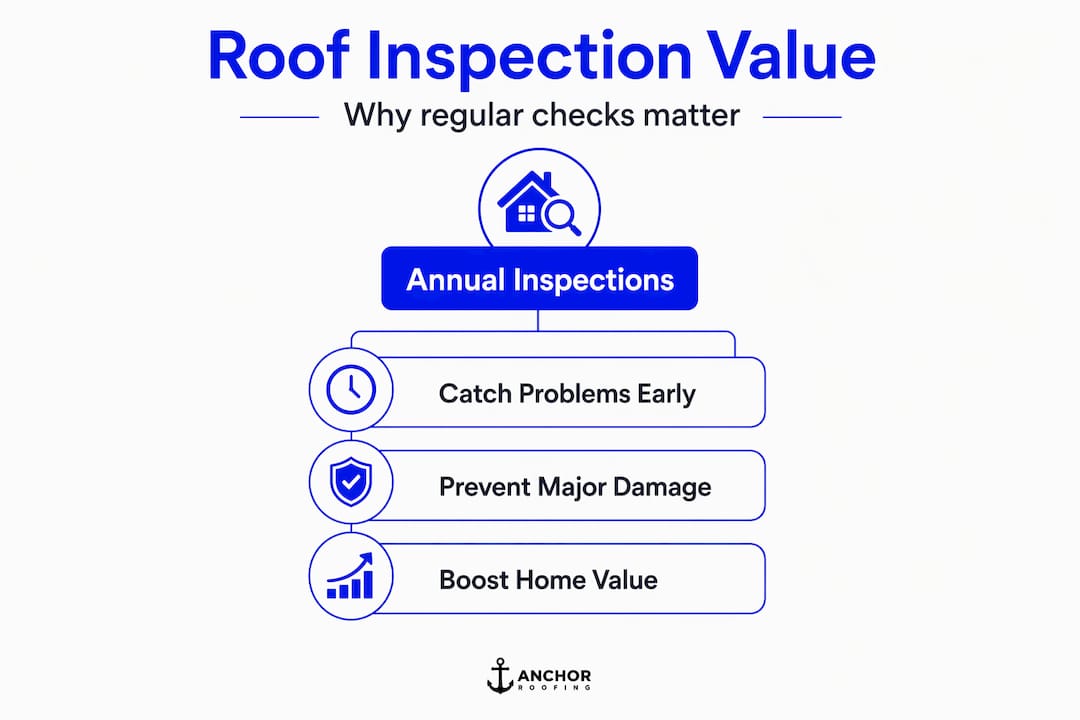
Experts recommend at least one annual inspection, or twice yearly in severe weather regions like the Mid-South. That frequency is not arbitrary. Hail events, high winds, and storm-driven debris can cause damage that appears minor on the surface but allows water infiltration that silently destroys decking and framing over months.
Ongoing roof maintenance practices worth building into your schedule:
- Clear gutters and downspouts every fall and spring to prevent water backup under shingles
- Trim overhanging tree limbs that deposit debris and abrade surface materials in high winds
- Check attic conditions for moisture or temperature irregularities after every significant storm
- Inspect pipe boots, chimney crowns, and visible flashing from the ground after hail events
- Document granule accumulation in gutters as an indicator of accelerating shingle wear
| Maintenance approach | Annual cost estimate | Long-term outcome |
|---|---|---|
| No inspections, reactive repairs | Low upfront, high eventually | Premature roof failure, expensive emergency repairs |
| Annual professional inspection | $150 to $500 per year | Early detection, extended service life, protected property value |
| Twice-yearly inspection in storm areas | $300 to $1,000 per year | Maximum protection in high-risk climates like the Mid-South |
Roof maintenance tips for the winter season are especially relevant in the Mid-South, where freeze-thaw cycles in January and February can exploit any existing vulnerability left unaddressed after fall storms.
Pro Tip: Schedule your annual roof inspection before you list the property, not after. Sellers who produce a recent professional inspection report at listing create immediate buyer confidence and reduce the likelihood of renegotiation after the buyer’s inspection.
Now that you understand maintenance, let’s share a unique perspective on roof inspections to deepen your insight.
Why most homeowners misunderstand roof inspections and how to avoid costly pitfalls
Here is what we have seen time and again across the Mid-South: homeowners treat a roof inspection as a formality rather than a diagnostic tool. They assume that because the roof is not actively dripping, it is fine. Or they accept a free inspection from a roofing contractor and call it done. Both assumptions are expensive mistakes waiting to happen.
Many mistakenly think roof inspections are simple visual checks from the ground, missing the reality that the attic is often where the most critical evidence lives. Water staining on rafters, compressed or deteriorated insulation, and early mold growth near ridge boards do not announce themselves from the street. They require someone physically inside the attic with a flashlight and a trained eye.
The other misconception we see constantly is treating inspection reports and roof certifications as interchangeable. An inspection tells you what the roof’s current condition is. A certification is a formal statement, usually backed by a short-term warranty, that the roof is leak-free. They are not the same thing, and confusing them creates real problems in real estate transactions where the buyer expects one but receives the other.
The most costly misunderstanding is viewing an inspection as reactive, something you do after a problem becomes visible or after a buyer demands it. Think of it instead the way you think about a health checkup. You do not wait until you feel seriously ill to see a doctor. You go before symptoms appear because early detection is always cheaper and less disruptive than crisis management. Knowing when inspection findings should actually stop a deal requires understanding the difference between cosmetic wear and genuine structural failure, a distinction only a certified inspector can make clearly.
Insist on documented, professional inspections at every transaction and at every annual maintenance interval. The cost is modest. The protection is real.
Get professional roof inspection services in the Mid-South with Upchurch Inspection
At Upchurch Inspection, we provide certified, unbiased roof evaluations that give Mid-South buyers and sellers the documentation they need to move forward with confidence. Our inspectors go beyond the surface, accessing attics, photographing every finding, and delivering written reports that hold up in negotiations, insurance claims, and maintenance planning. We serve Tennessee, Arkansas, Mississippi, and Southeast Missouri with inspection standards that exceed state requirements.
Whether you need a pre-purchase home inspection before closing, a seller’s inspection before listing, or a standalone roof damage survey after a storm, our full home inspection services are built to give you complete, actionable information. If you are new to the process, our overview of what a home inspection covers is a good place to start. Contact Upchurch Inspection to schedule your certified roof inspection and protect your real estate investment before problems find you.
Frequently asked questions
How often should I get a professional roof inspection in the Mid-South?
At least once annually is the baseline recommendation, but twice a year is advisable if your property experiences hail, high winds, or other severe weather common to the Mid-South.
What does a comprehensive roof inspection include beyond a visual check?
A thorough inspection covers roofing materials, flashing, drainage, ventilation, structural elements, and the attic interior to detect hidden water damage, mold, and ventilation failures invisible from the exterior.
Can I perform a roof inspection myself safely and accurately?
Homeowners should avoid climbing roofs themselves due to fall risk and the high likelihood of missing subtle damage, including flashing failures and early-stage decking deterioration, that trained inspectors are specifically looking for.
What is the difference between a roof inspection and a roof certification?
An inspection assesses current roof condition, while a certification is a formal guarantee that the roof is leak-free for a defined period, typically two to five years, and often includes a warranty.
How can a roof inspection report help with insurance claims?
A certified report provides critical evidence for insurance claims by documenting all damage with photographs, damage analysis, and objective findings that support a fair settlement without relying solely on the insurer’s assessment.