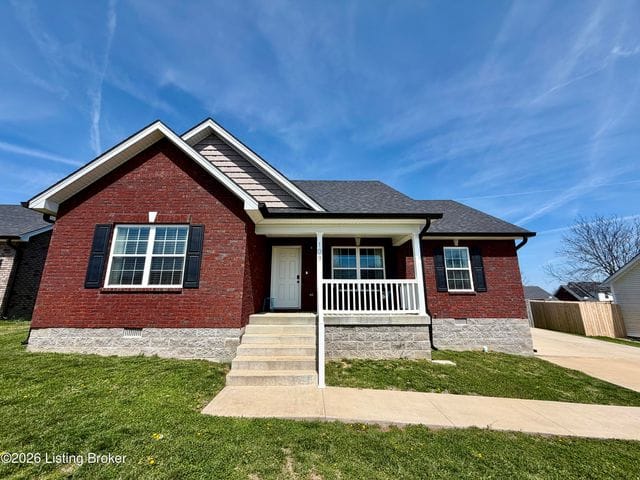
Historic homes in Bardstown are prized for their character — brick facades, deep porches, hand-laid masonry, and interior details you simply don’t get in modern construction. But beneath that charm is an infrastructure reality that many buyers underestimate. In Bardstown’s Historic District, the most significant risks aren’t always structural. They’re electrical, hidden behind plaster, trim, and generations of well-intentioned updates.
Knob-and-tube wiring is still very much part of the conversation here, and it changes how inspections must be approached.
Why Knob-and-Tube Still Exists in Bardstown
Many of Bardstown’s historic homes were built in the early 1900s, long before modern electrical demands existed. Knob-and-tube wiring was the standard at the time, and in many houses, it was never fully removed — only extended, modified, or partially abandoned.
That creates a hybrid system where old and new coexist in ways that aren’t always safe or obvious. During inspections, I regularly encounter:
- Active knob-and-tube feeding modern receptacles
- Partial upgrades that leave original wiring energized
- Circuits that change wiring methods mid-run
From the panel alone, none of this is visible.
The Plaster-and-Lathe Complication
Historic Bardstown homes commonly feature plaster-and-lathe walls, which complicate both upgrades and inspections. Over the years, electrical changes are often made opportunistically — fishing wires through cavities without fully decommissioning the original system.
This results in:
- Abandoned conductors still energized in wall cavities
- Splices hidden behind plaster patches
- Unsupported wiring resting against combustible materials
These conditions increase fire risk, especially when modern loads are applied to wiring never designed to carry them.
Why Insulation Makes Knob-and-Tube Dangerous
One of the most critical issues I see in Bardstown homes is insulation installed over active knob-and-tube wiring. Originally, knob-and-tube systems were designed to dissipate heat into open air. Burying those conductors in insulation removes that cooling path.
The result is elevated conductor temperatures, insulation breakdown, and increased ignition risk. This is especially common in attics that were retrofitted for energy efficiency without addressing the underlying wiring first.
Service Panels Don’t Tell the Whole Story
Buyers often feel reassured when they see a modern breaker panel. Unfortunately, panels are only the front end of the system. In historic homes, a new panel can still be feeding old wiring throughout the structure.
During inspections, I’m tracing:
- Conductor types leaving the panel
- Grounding and bonding continuity
- Evidence of mixed neutral paths
A clean panel doesn’t guarantee a modern system.
Masonry Walls Hide Electrical Hazards
Brick and stone walls common to Bardstown’s historic homes create unique electrical challenges. Wiring is often run through chases, surface-mounted raceways, or shallow wall cavities that were never designed for modern cabling.
Improvised solutions lead to:
- Inadequate support and protection
- Penetrations that compromise fire resistance
- Wiring exposed to moisture migration through masonry
These conditions don’t show up in casual walkthroughs, but they matter for long-term safety.
Load Demand Has Changed — The Wiring Hasn’t
Early electrical systems were designed for lighting and a few small appliances. Modern households impose vastly different loads: HVAC equipment, kitchen appliances, entertainment systems, and home offices all draw continuous current.
In historic Bardstown homes, this mismatch leads to:
- Chronic circuit overloading
- Overfusing or oversized breakers
- Heat buildup at connection points
These aren’t nuisance issues. They’re precursors to failure.
Fire Spread Risks in Older Construction
Many historic homes use construction methods that allow fire to spread vertically and laterally more easily than modern builds. Balloon framing, open wall cavities, and interconnected chases allow fire to move quickly once ignition occurs.
When combined with aging electrical systems, this creates compounded risk — not just of fire, but of rapid fire spread.
Insurance and Renovation Implications
Electrical conditions in historic homes affect more than safety. They influence insurability, renovation scope, and cost. Insurers may require documentation of system upgrades. Renovations often trigger mandatory electrical corrections once walls are opened.
Understanding the true state of the electrical system before purchase prevents surprises that derail restoration plans and budgets.
Why Historic Homes Require Targeted Inspections
Inspecting homes in Bardstown’s Historic District isn’t about judging them by modern standards. It’s about understanding how historic systems behave under modern use — and where those systems reach their limits.
Buyers considering historic properties throughout Central Kentucky need inspections that recognize the difference between preserved character and preserved risk.
https://upchurchinspection.com/our-service-areas/home-inspections-in-central-kentucky/
In Bardstown, history lives in the walls — and sometimes in the wiring behind them.