
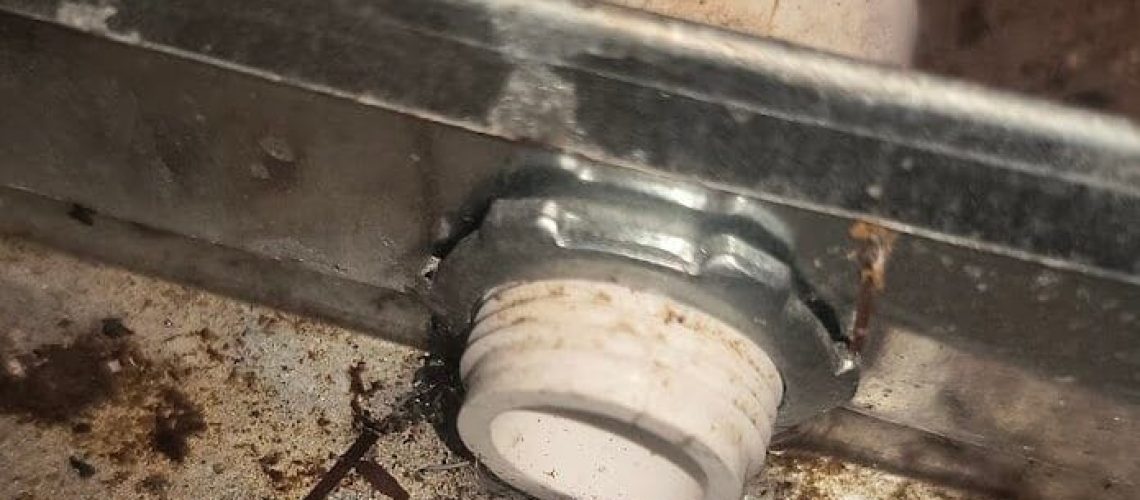
Most homeowners don’t even know their HVAC system has a secondary drain pan — until it fails and ruins a ceiling.
I pay close attention to them because I’ve seen exactly how fast a small oversight turns into a major repair.
Why Secondary Drain Pans Matter
Any attic-mounted air handler should have:
- A primary condensate drain
- A secondary drain pan underneath the unit
- A functional overflow protection method
That pan isn’t optional. It’s the last line of defense when the primary drain clogs — and it will clog eventually.
A Real Inspection Where the Pan Saved the Buyer
I inspected a home in Collierville where the primary condensate line was partially blocked. Algae buildup, slow drainage, and early signs of overflow.
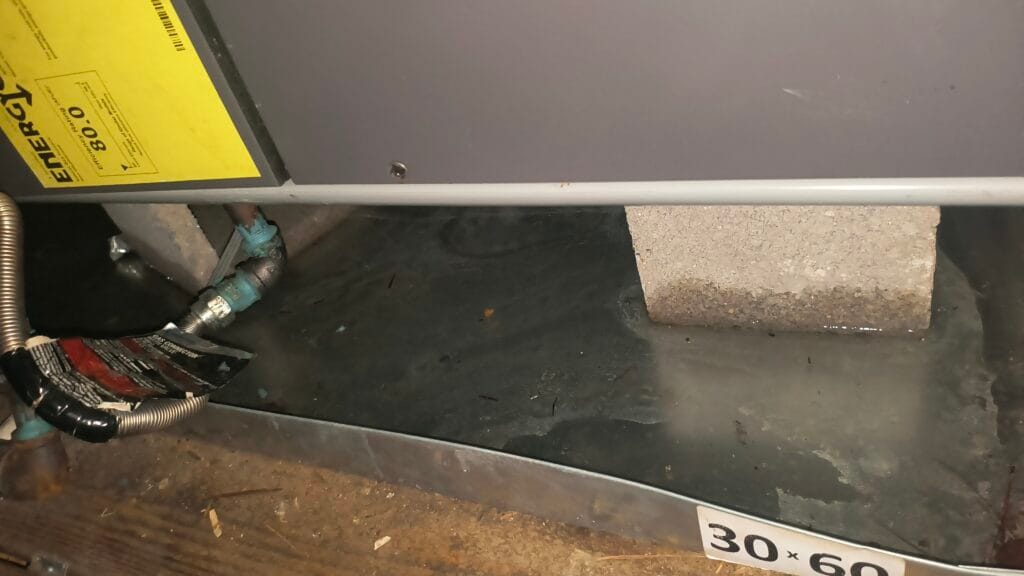
The secondary pan was intact, properly pitched, and connected to an exterior drain line. Water was already in the pan — but the ceiling below was still dry.
That $50 pan prevented thousands in drywall, insulation, and flooring damage.
A Real Inspection Where It Didn’t
We inspected a home in Murfreesboro where the air handler sat directly on drywall. No secondary pan. No float switch. No warning.
The drain had backed up, water overflowed the cabinet, and the ceiling below had already collapsed in one corner.
Seller called it “a small stain.” It wasn’t.
What I Commonly See Wrong
Secondary drain pans fail or go missing because:
- They were never installed
- They’re rusted through
- They’re cracked from improper support
- The drain outlet is capped or blocked
- The pan isn’t wide enough to catch overflow
I’ve also seen pans installed correctly — but without any overflow protection to alert the homeowner.
The Float Switch Problem
Float switches are great when they work.
I’ve seen:
- Float switches wired incorrectly
- Switches buried under insulation
- Switches bypassed after nuisance shutoffs
In Arlington, I inspected a system where the float switch had been intentionally disconnected because it “kept turning the AC off.”
That switch was doing its job.
How I Inspect Drain Pans
I look for:
- Proper pan size and support
- Signs of standing water or rust
- Clear drain outlet
- Presence of float or shutoff device
- Evidence of past overflow events
If access is limited, that gets documented. Hidden risks don’t stay hidden forever.
What Buyers Need to Understand
Condensate issues don’t care how new the system is.
A clogged drain plus a missing pan equals:
- Ceiling collapse
- Mold growth
- Electrical damage
- Insurance claims
All from something that costs less than a thermostat.
The Inspector’s Bottom Line
Secondary drain pans aren’t exciting. They don’t add comfort or efficiency.
But when they’re missing or failing, the damage is fast and expensive.
I’ve seen too many ceilings on the floor to treat them as a minor detail.