
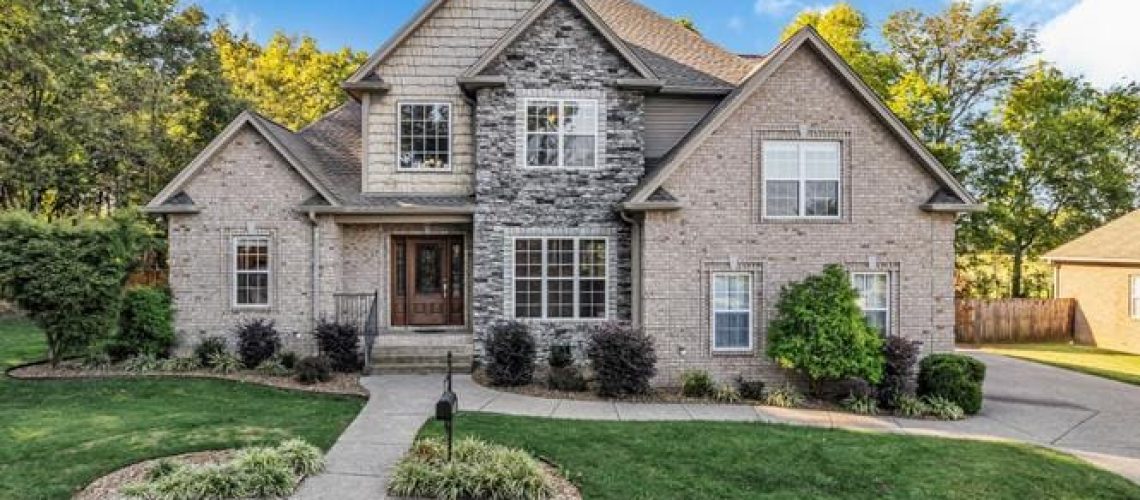
Here’s the part nobody selling a house in Mt. Juliet wants to say out loud: a huge chunk of the city’s housing stock is hitting middle age simultaneously, and a lot of it wasn’t built to age gracefully.
The Providence-era boom — roughly early to mid-2000s — cranked out entire neighborhoods fast. Same builders. Same subs. Same details repeated hundreds of times. That worked fine when everything was new. Twenty years later, those shortcuts are showing up all at once, and buyers are walking straight into stacked failures they don’t see coming.
If you’re expecting “normal wear and tear,” you’re already behind.
The Problem With Mass-Produced Subdivisions
When I inspect homes in Providence, Willoughby Station, and similar developments, I’m not looking at a one-off house. I’m looking at a production run. These homes were built on schedules, not around long-term durability.
That means when one system reaches end-of-life, several others are usually right behind it.
What I see constantly:
- Original roofs at or past design life
- Original HVAC systems hanging on by a thread
- Original water heaters quietly rusting from the inside out
Individually, those aren’t shocking. Collectively, they’re budget killers.
Everything Is Failing… Just Not on the Same Day
This is where buyers get burned. The inspection doesn’t reveal a catastrophic failure — it reveals a pileup.
A typical Providence-era inspection reads like this:
- Roof: Near end of service life
- HVAC: Operating, but aged and inefficient
- Water heater: Original or replacement of similar age
- Plumbing fixtures: Worn, leaking, or mismatched repairs
Nothing screams “don’t buy.” Everything whispers “get your checkbook ready.”
Roofs Were Value-Engineered, Not Overbuilt
Let’s be honest. These weren’t luxury roofs when they were installed. They were builder-grade shingles designed to get through warranty periods and little more. Fast forward twenty years, and you’re seeing:
- Granule loss
- Brittle shingles
- Marginal flashing details finally failing
What irritates buyers is that the roof looks okay from the street. It isn’t. It’s just old.
HVAC Was Sized for Paper, Not Comfort
Providence-era HVAC systems were often sized by square footage charts, not by real load calculations. Ductwork was installed quickly, sometimes crushed or undersized from day one.
Now that systems are aging, those original sins matter:
- Rooms that never heat or cool evenly
- Units short-cycling themselves to death
- High utility bills buyers weren’t expecting
When an inspector points this out, sellers love to say, “It’s always worked fine.” Sure. So does a car with 190,000 miles — until it doesn’t.
Plumbing Is Where the Corners Really Show
This era loved plastic. CPVC, PEX, builder-grade valves — all installed fast. Over time, I’m seeing:
- Brittle CPVC failures
- Stop valves that won’t fully shut
- Leaks at fittings that were never pressure-tested properly
Most of these issues don’t flood the house. They rot cabinets, subfloors, and walls quietly.
The “Updated Kitchen” Distraction
Here’s a classic Providence trick: slap in new countertops, paint the cabinets, change the backsplash. Suddenly buyers think the house is “updated.”
Meanwhile:
- The electrical is still original
- The plumbing behind the walls is still original
- The mechanical systems are still original
Cosmetics sell houses. Infrastructure costs money. Guess which one usually gets deferred.
Foundations Didn’t Escape the Party Either
These homes sit on Middle Tennessee soil, and time plus moisture equals movement. I’m not talking about dramatic failures. I’m talking about:
- Cracks that have been “patched” repeatedly
- Doors that were adjusted… then adjusted again
- Tile and grout cracking in predictable locations
Nothing looks scary. Everything looks tired.
Why This Era Is Riskier Than Older Homes
Here’s the controversial part: I often trust a well-maintained 1970s house more than a neglected 2004 house. Older homes have already survived their first big replacement cycle. Providence-era homes are entering it.
Buyers assume “newer” means safer. In this case, newer just means expensive later.
The Inspection Isn’t the Bad News — It’s the Translator
When buyers get upset reading a Providence-era report, it’s usually because the inspection ruined the illusion. The house didn’t suddenly get worse. The timing just got real.
This is where I stop being polite and start being useful.
Why Mt. Juliet Buyers Need Straight Talk
If you’re buying in Mt. Juliet, especially in the Providence corridor, you don’t need reassurance. You need clarity. You need to know what’s original, what’s near failure, and what’s going to come due in the first five years.
That’s the difference between an inspection that “passes” and one that actually protects you.
For buyers evaluating homes throughout Middle Tennessee, this era requires a harder look and fewer assumptions.
https://upchurchinspection.com/our-service-areas/home-inspections-in-middle-tennessee/
And for buyers relocating into the broader metro around Nashville, Providence-era neighborhoods are where optimism meets math.
These houses aren’t bad.
They’re just all aging at the same damn time.