
The Short Answer (Don’t Bury the Lead)
Yes—many $1M+ homes in Franklin and Brentwood have a higher risk of hidden sub-floor rot than older homes.
Not because sealed crawlspaces are bad—but because in 37027 and 37064, they’re often installed once and then forgotten.
I routinely find advanced moisture damage in “luxury” sealed crawlspaces that look pristine from the access hatch—until you know where to look.
Why This Is Happening in Williamson County
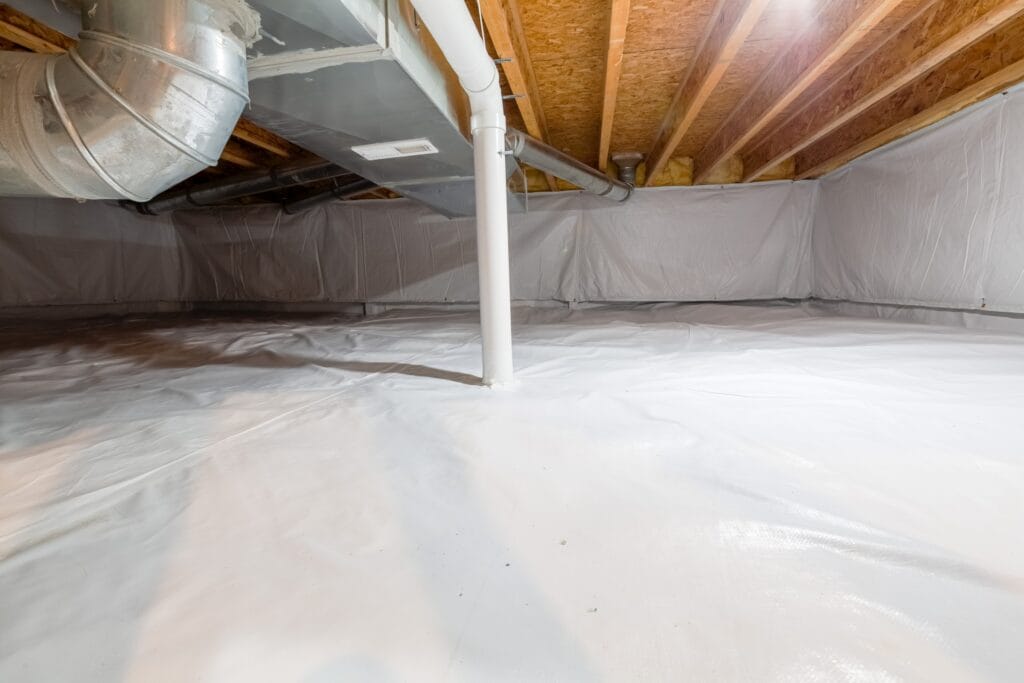
Sealed crawlspaces are supposed to work like a controlled environment. In theory, they’re excellent. In practice, Middle Tennessee humidity punishes zero-maintenance systems.
The Franklin & Brentwood Trap
Homes near areas like Westhaven, Annandale, and off Moore’s Lane often share three risk factors:
- Heavy clay soils that hold moisture against the foundation
- Tight construction with minimal natural drying
- Crawlspaces sealed during construction—but never serviced again
The Failure Points I See Over and Over
This is the part corporate blogs miss.
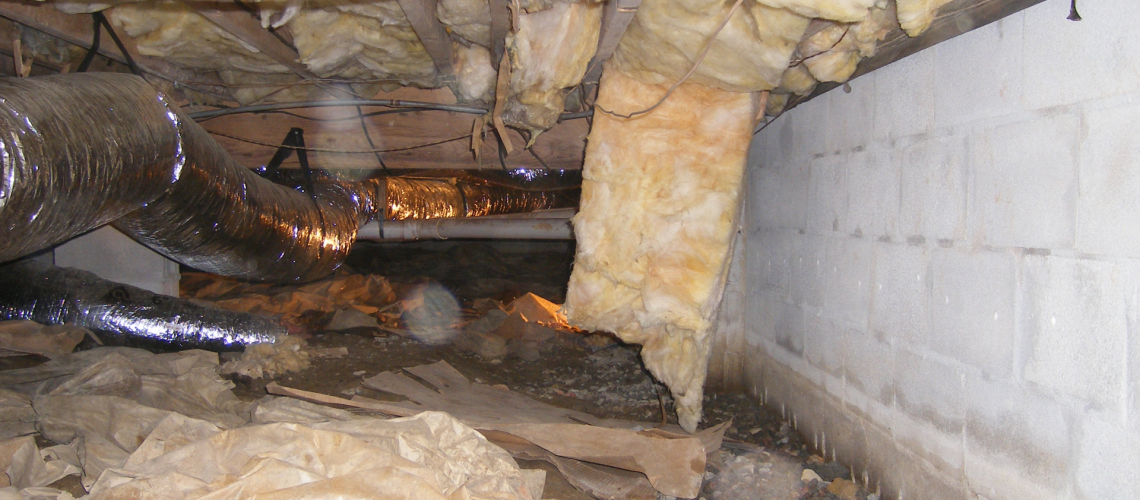
- Dead or undersized dehumidifiers still humming, but not pulling water
- Condensation on supply ducts inside a “sealed” space
- Plastic liners holding moisture, not shedding it
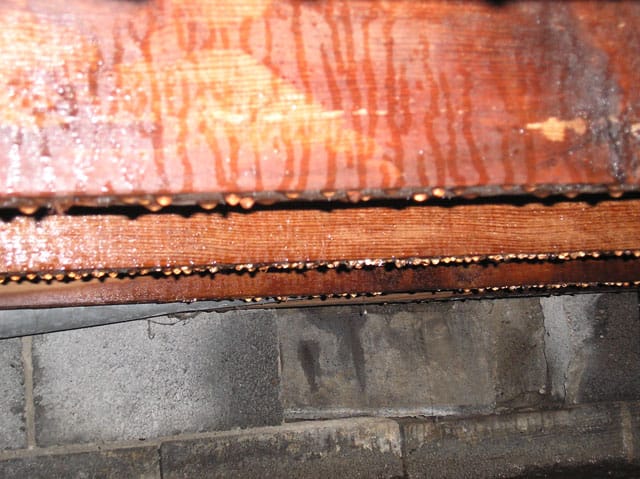
- Wood framing testing wet despite “acceptable” humidity readings at the hatch
Wes-ism:
If a sealed crawlspace smells slightly sweet or ammonia-like, that’s not “new house smell.”
That’s microbial activity starting under the subfloor—even if the RH reads 55%.
I’ve opened crawlspaces in Brentwood where the dehumidifier was running nonstop… and the floor joists were still above 20% moisture content.
“But the Builder Said It Was Maintenance-Free”
That’s the most expensive sentence in Williamson County real estate.
A sealed crawlspace is a mechanical system, not a permanent fix. It requires:
- Annual inspection
- Filter changes
- Drain verification
- Moisture mapping—not just a hygrometer reading
Without that, the crawlspace becomes a humidity terrarium under your house.
What This Looks Like After Closing
Six to eighteen months post-purchase is when buyers call me back:
- Floors feel “soft” or slightly uneven
- Hardwood starts cupping for no clear reason
- Musty odors show up during humid weeks
- HVAC struggles despite being “new”
At that point, repairs are no longer small:
- Subfloor replacement
- Joist remediation
- Liner removal and re-installation
- Full dehumidification redesign
How We Inspect Sealed Crawlspaces Differently
This is not a checkbox item for us.
During a Franklin or Brentwood inspection, we:
- Measure wood moisture content, not just air humidity
- Inspect duct insulation and condensation points
- Verify dehumidifier sizing and drainage
- Photograph early biological growth before it becomes visible damage
And yes—we include it clearly in your ISN-powered report, not buried on page 47.
The Next Step (This Is Where Deals Are Won or Lost)
If you’re buying in Franklin, Brentwood, or South Nashville, a sealed crawlspace should trigger extra scrutiny, not peace of mind.
Don’t just get a report—get a negotiation tool.
Our reports feed directly into the ISN Repair Request Builder, allowing you or your agent to:
- Isolate moisture-related risks
- Attach photos and measurements
- Request specific corrections—not vague credits
If needed, we also recommend targeted moisture evaluations before you’re past your inspection window.
Bottom Line
Sealed crawlspaces aren’t the problem.
Unmaintained sealed crawlspaces are.
And in Williamson County, I see that mistake weekly.